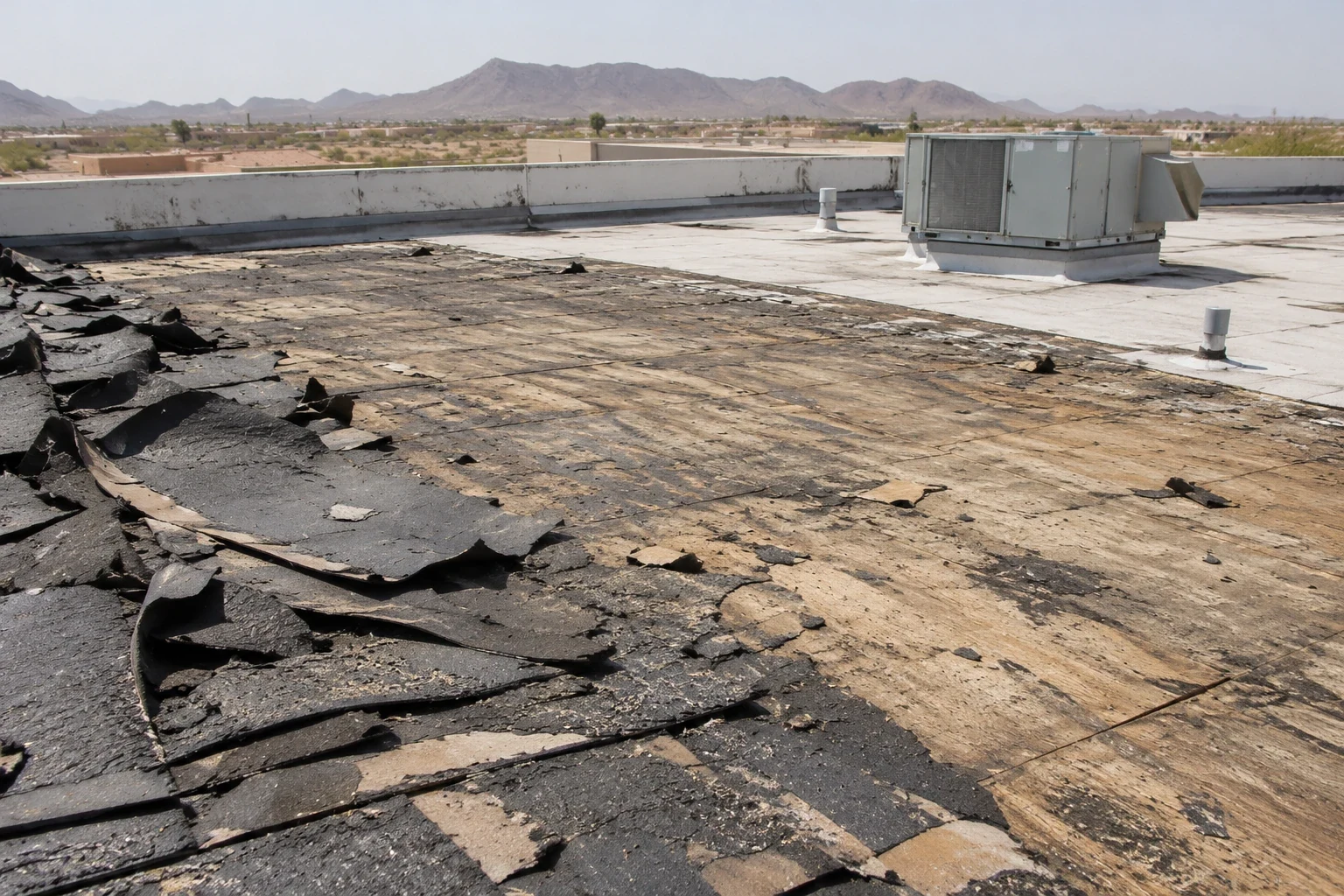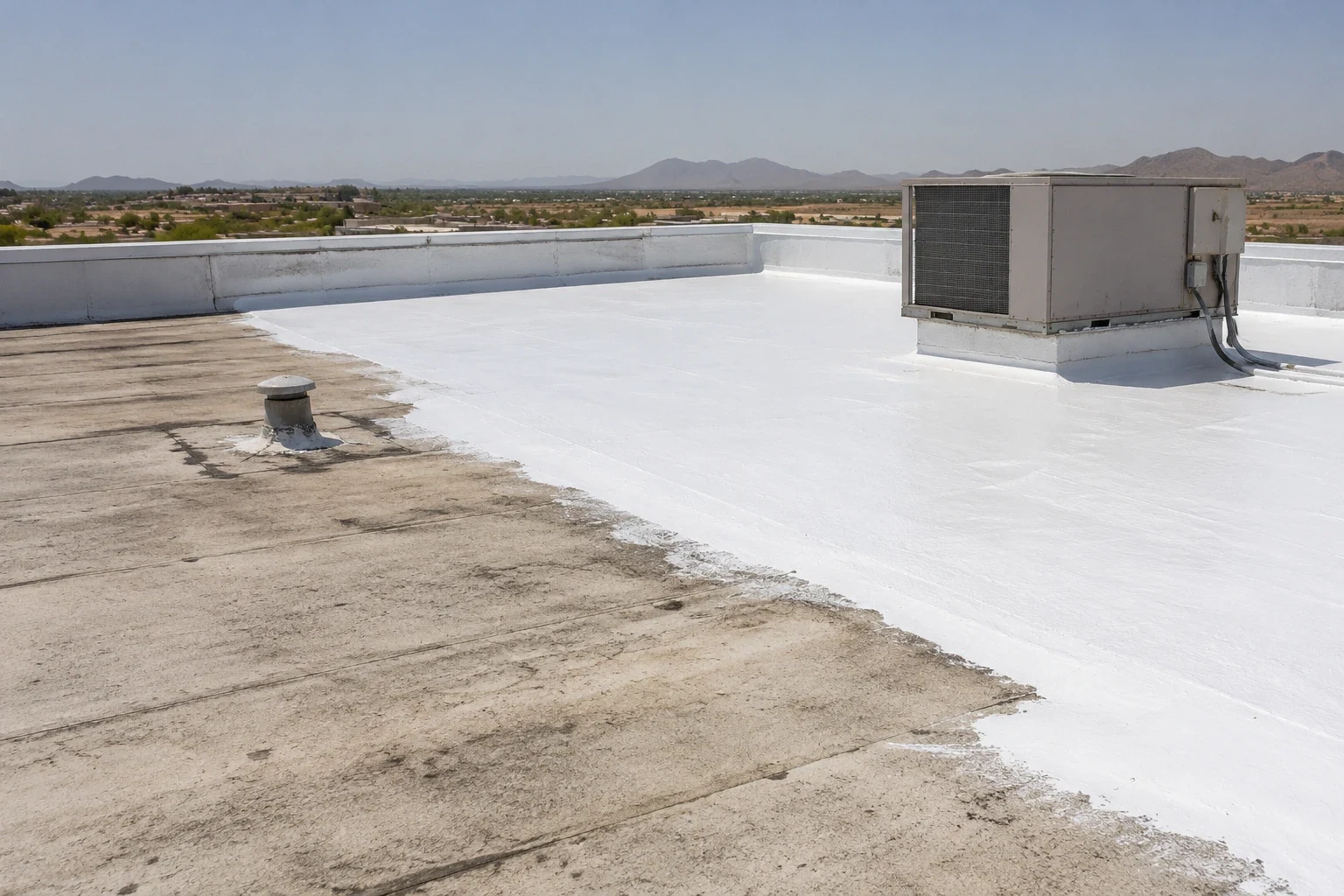
A roof concern near Seventh Street can interrupt a customer entrance, service counter, or work area before the source is clear. We record where the interior symptom appeared, what activity sits below that zone, and who controls roof access. The inspection then follows the reported water path through the accessible roof details and notes what is visible versus what needs testing. A zone-labeled photo set helps the property contact compare a protective step, a contained repair, and a broader scope without treating the whole block as one building.
Keep the street context in its place
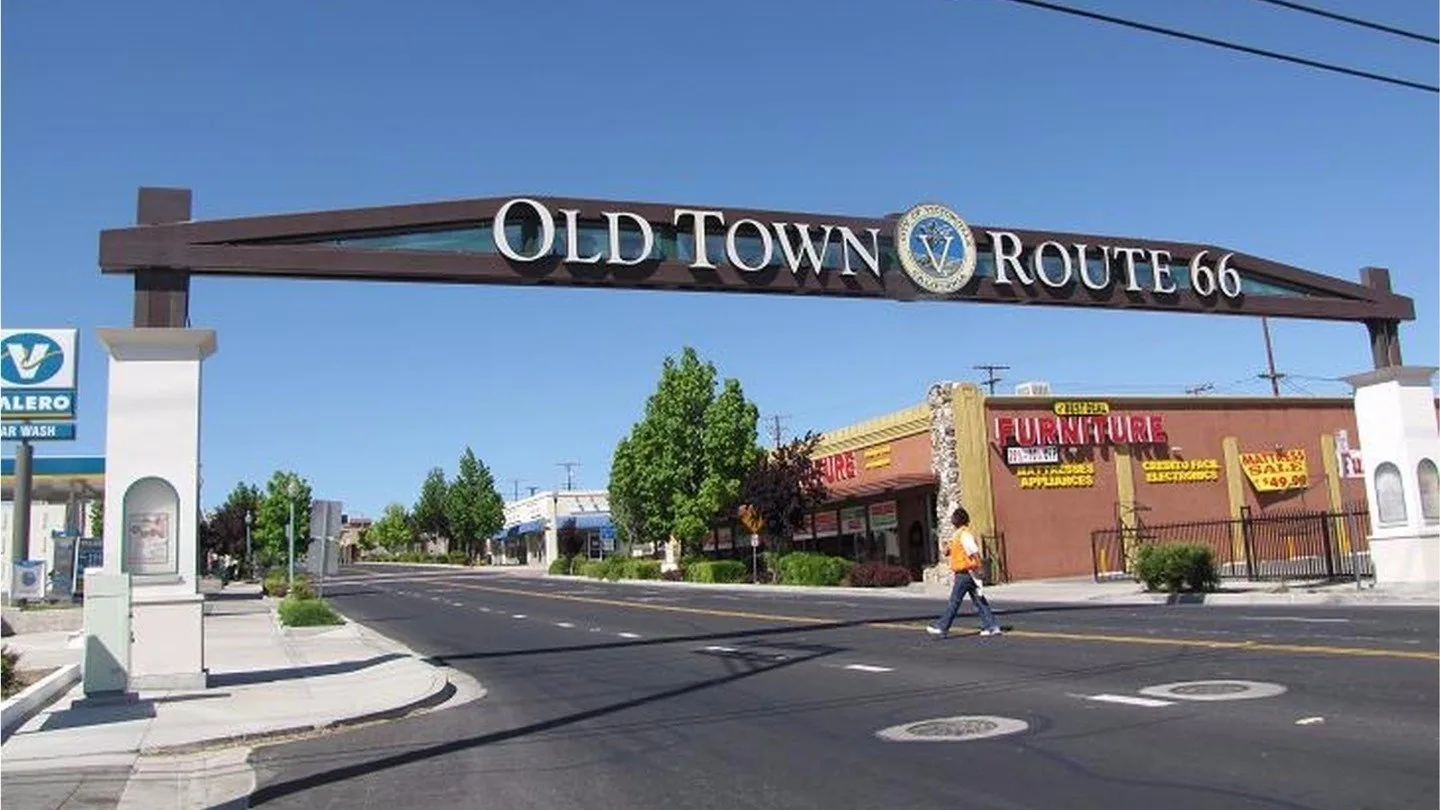
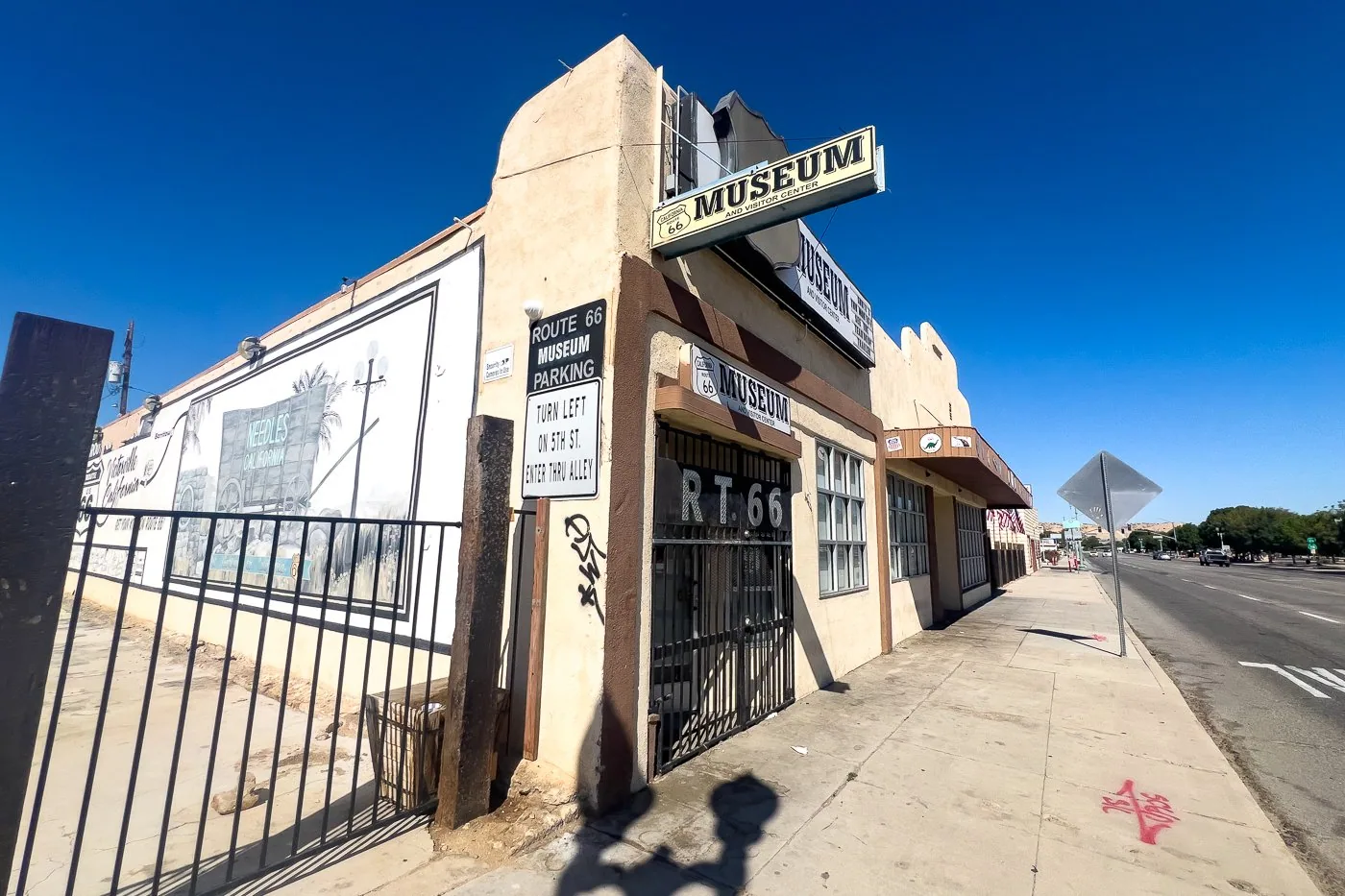
Victorville's Old Town revitalization materials identify Seventh Street for streetscape improvements. That city work supplies useful context for the corridor, but it does not establish a private property's access schedule or roof condition. The first call stays with the property: which suite or room is affected, whether customers or staff need a clear route, and whether the reported leak is active. We confirm the facility contact and set the first inspection around safe access rather than assuming work can begin at a particular hour.
Old Town's adopted plan area covers about 428 acres between Interstate 15 and Victorville's eastern boundary, with mixed-use retail and service overlays as well as light-industrial, residential, and open-space classifications. A roof crew therefore needs building-specific instructions for entrances, delivery points, and occupied areas. We note those limits before selecting a ladder or staging point. If the report concerns a small commercial suite, the investigation may start at one roof zone; a larger property can require separate maps and contacts. The Old Town service area page explains the district context, while each assessment remains tied to the actual roof.
Follow the water path across the detail
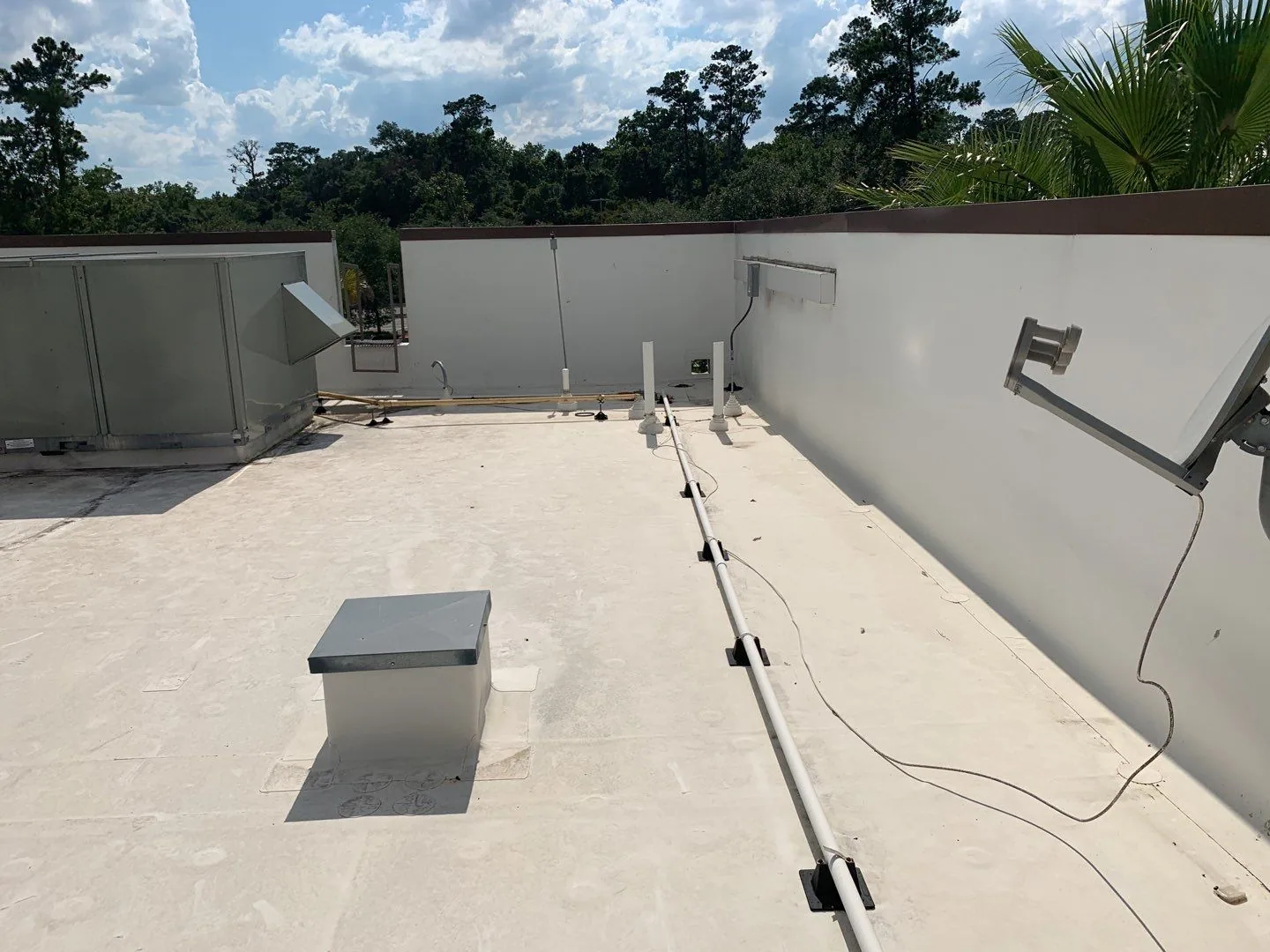
Water at an interior wall can begin at an edge termination, a curb, or an opening farther upslope. Our inspection documents the visible assembly, traces plausible paths, and checks nearby seams, penetrations, drains, and metal transitions. We do not label a suspected source as confirmed simply because it lies above a stain. If access is restricted or surface evidence cannot answer the question, the photo set records that limit and identifies a follow-up test or return inspection for the owner's decision.
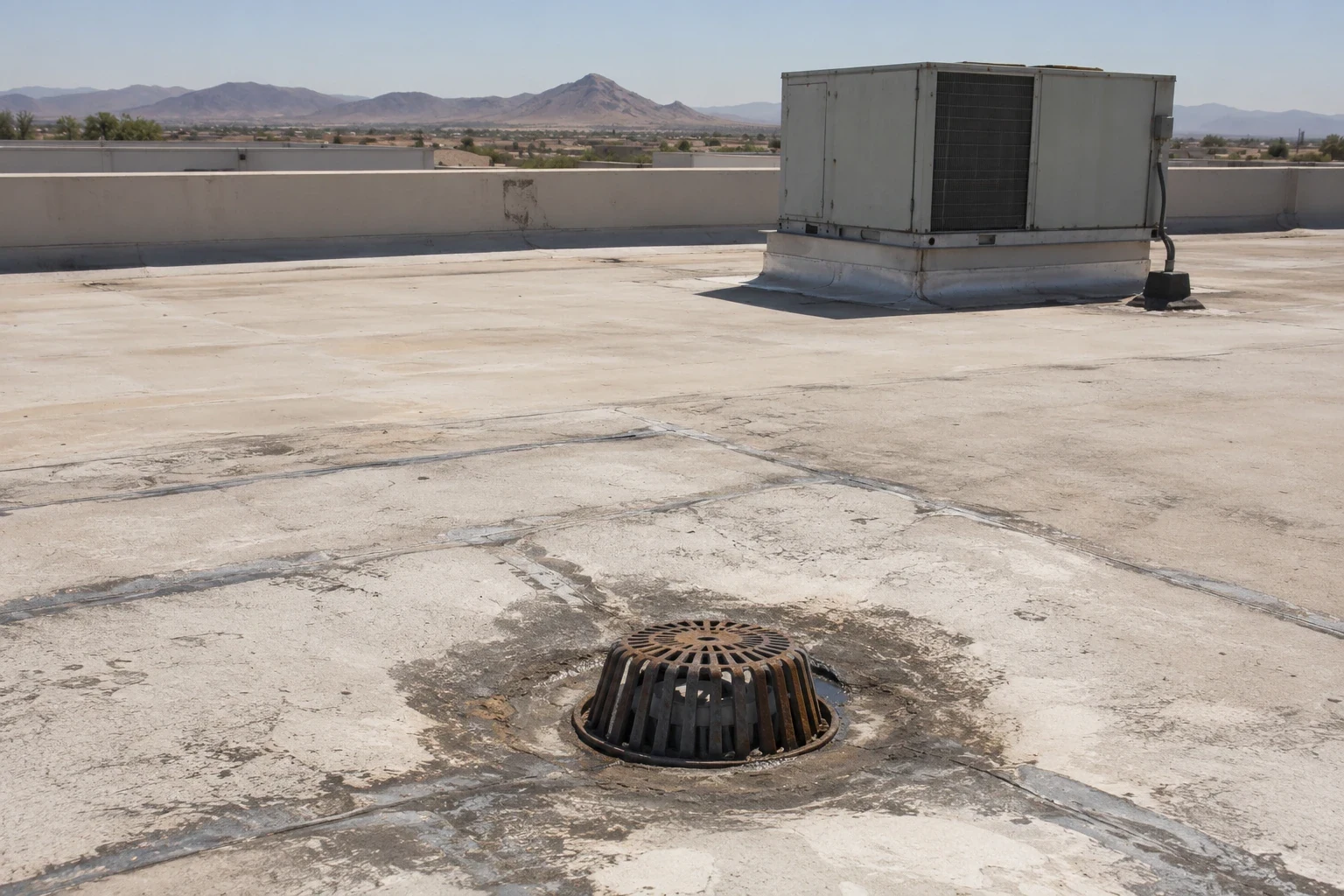
The National Weather Service's historic George AFB/Victorville record averaged 23 days a year at or above 100 degrees across observations from June 1980 through May 1990. We use that dated local record only as climate context. At the roof, observed seam condition, surface movement, repairs, and drainage matter more than a historical average. Where a sheet-metal edge or wall transition is implicated, a flashing assessment identifies the joint and repair boundary. A drain review is separate when the route includes an outlet or scupper.
Define a workable repair area
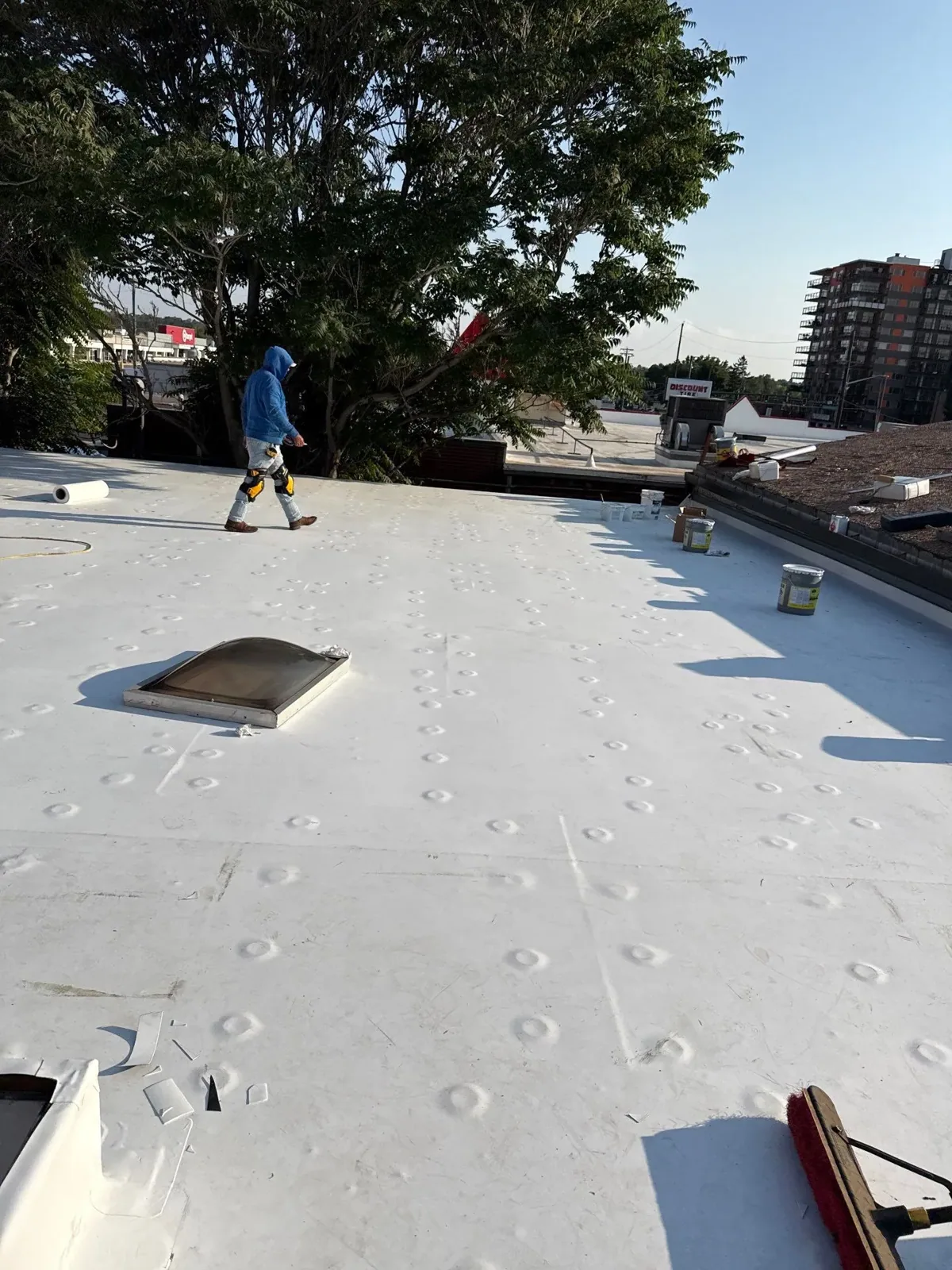
A repair estimate should let the owner see what the crew will touch, what must be prepared, and which adjacent conditions are excluded. We reference each location by roof zone and image number, then describe the material and method only after identifying what is present. If a membrane patch would be incompatible or the surrounding surface is not sound, the scope states the needed investigation instead of quietly expanding the repair. A commercial repair visit can include temporary protection when needed, with its limit and return step stated separately.
For replacement, the decision expands to demolition, insulation, cover board, edge metal, rooftop equipment, and the sequence for leaving the building watertight at the end of each work period. The facility contact identifies routes that must remain available and the activities that cannot pause. Our replacement planning records those constraints beside the roof map, so price and timing reflect the site rather than an assumed clear roof. Where the existing assembly may qualify for restoration, coating restoration is considered only after surface compatibility, drainage, and repairs are checked.
Protect daily movement below
Street-level access deserves the same attention as roof access. Before mobilization, we ask which customer doors, sidewalks, loading points, and staff routes need to stay open. The work plan marks any temporary exclusion area and names the person who can approve a change. If a lift or material drop affects a sidewalk or parking lane, that must be addressed in the site plan before equipment arrives. An inspection with no material handling may need a different setup from a tear-off, but both require a confirmed contact and safe path.
Owners who compare properties along Seventh Street with other Victorville areas should keep those site notes separate. The city assessment covers broader coordination, and Eastern Bear Valley Road has its own commercial planning focus. A zone-based condition report gives the next facility contact a record of what was found, what remained inaccessible, and what action was authorized. For a planned project, capital planning can carry those facts forward without turning an observed repair need into a replacement recommendation.
The schedule also depends on weather exposure, material handling, and the number of roof zones that can be opened safely at one time. We confirm whether the property has a delivery period, shift change, customer event, or secured area that affects the visit. If a repair requires cutting or lifting a section, the crew describes how that opening will be protected before leaving for the day. The contact receives a concise closeout with completed work, photographs, remaining concerns, and any return-visit need. This is especially useful when the person approving the invoice is not the person who first reported the interior condition. If another trade needs the same access path, we coordinate the roof task in the property's agreed work window.
Arrange an assessment near Seventh Street
Tell us which area below is affected, what movement needs to continue, and who can arrange roof access. We can document the condition and outline a repair, test, or replacement-planning step for the property.
Commercial Roofing Questions
Does the Seventh Street streetscape work affect private roof work?
The city's improvement materials identify the corridor but do not set access rules for an individual property. We confirm the current entrances, sidewalk conditions, loading activity, and any site restrictions with the property contact before staging. If a lift, material delivery, or temporary exclusion area needs separate coordination, that requirement belongs in the work plan.
Can you assess a roof when the interior leak has stopped?
Yes, an inactive symptom can still guide the inspection. We record when it appeared, examine the roof details that could connect to that area, and state which conditions were visible on the visit. If intermittent entry cannot be confirmed, the report identifies a useful next step, such as a monitored return visit or targeted testing, instead of calling the source settled.
How do you avoid blocking a customer entrance?
The facility contact identifies entrances and pedestrian routes that need to stay open. We plan access and staging around those paths, then agree on any short exclusion area before material is moved. A larger replacement may need a different sequence than a small repair; either way, the approved plan names how the affected route will be protected.
What is included after temporary protection is installed?
We photograph the protected roof zone, note the materials and limits of the temporary measure, and outline the permanent repair or test still required. Protection reduces immediate exposure but does not prove that concealed material is dry or identify the entire leak path. The owner receives that distinction before approving follow-up work, with the condition tied to the zone and visit date.