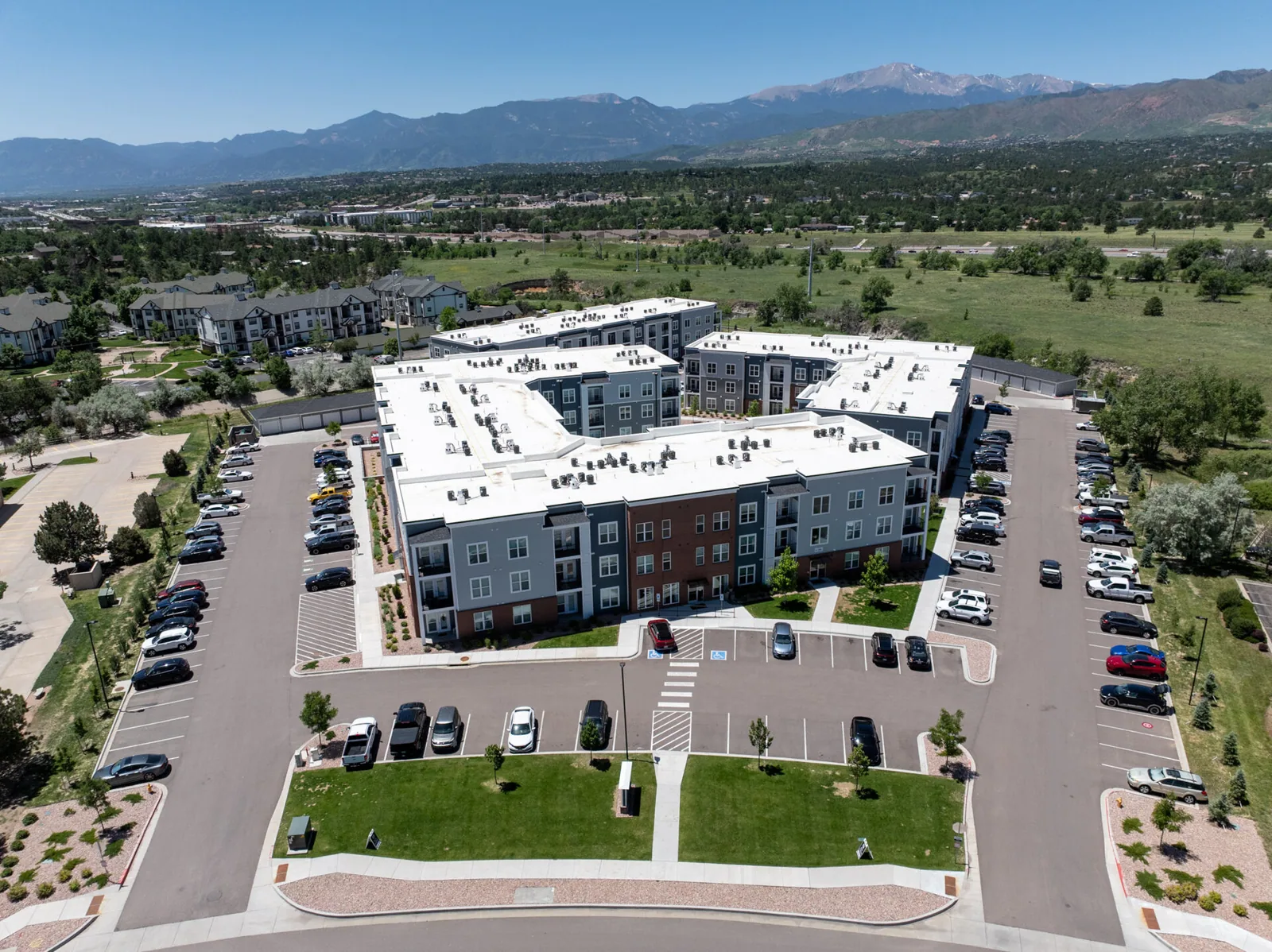
A tenant report can arrive before the manager knows which roof area it reaches or who can provide access. On the first call, we identify the affected suite, the operation below it, and the facility contact who controls the hatch or ladder. For a portfolio in Victorville, one property may serve retail near Bear Valley Road while another has service or light-industrial use in Old Town. Those locations frame access questions, not roof conditions. We inspect each building on its own, trace the water path, and give the manager a photo set tied to a repair scope that can be reviewed with ownership.
When several buildings need attention, the useful first move is to sort active leaks from planned work and routine observations. Our commercial roofing work includes repair, replacement, recover review, inspection, infrared moisture surveys, maintenance, and documented claim support. An owner can compare multi-property roof programs with a single-building response while preserving a separate record for each address. The decision stays connected to what was seen, what is occupied below, and what work can be coordinated next.
Sort reports by roof zone
We begin with the person who received the report and ask for the room, suite, equipment, or stock affected. The manager can share when the issue appeared, whether it is active, and whether previous repairs are recorded. That description does not prove where water entered. It helps us choose the first roof zone, locate the nearest drain or curb, and plan access without sending a tenant onto the roof. A consistent intake record lets the manager compare urgency across buildings without treating every ceiling mark as the same problem.
City records describe proposed industrial growth in the Foxborough vicinity and on parcels beyond Highway 395 near Mojave Drive; these are approvals to track, not evidence of completed buildings. The plans describe projects, not completed inventory, but they point to operating contexts where docks, shift changes, and delivery routes may matter to a roof visit. We ask each facility contact about those constraints rather than carrying one property's schedule to another. A commercial roof inspection can then be scoped around verified access, reported conditions, and the areas that need closer review.
Keep one building record at a time
A portfolio dashboard is useful only when every entry points back to a particular roof zone and a dated observation. We label photos by building, elevation or roof plan, nearby equipment, and drainage route. The record separates an active leak, a completed patch, an item to monitor, and an area that was not reached. That prevents a note from one property from being read as a finding at another. If a manager is planning capital work, the same evidence can show which assemblies need testing before an option is priced.
Old Town Victorville's plan includes mixed retail and service overlays, light-industrial uses, homes, and open-space classifications. That variety makes property-level use confirmation important; the plan does not establish the roof on any one structure. The manager can compare each site's repair history with a roof condition report and keep supporting photos with the asset record. For a roof with separated systems, TPO membrane details may be evaluated alongside metal, asphaltic, or coating work after the actual assembly is inspected.
Separate immediate work from capital planning
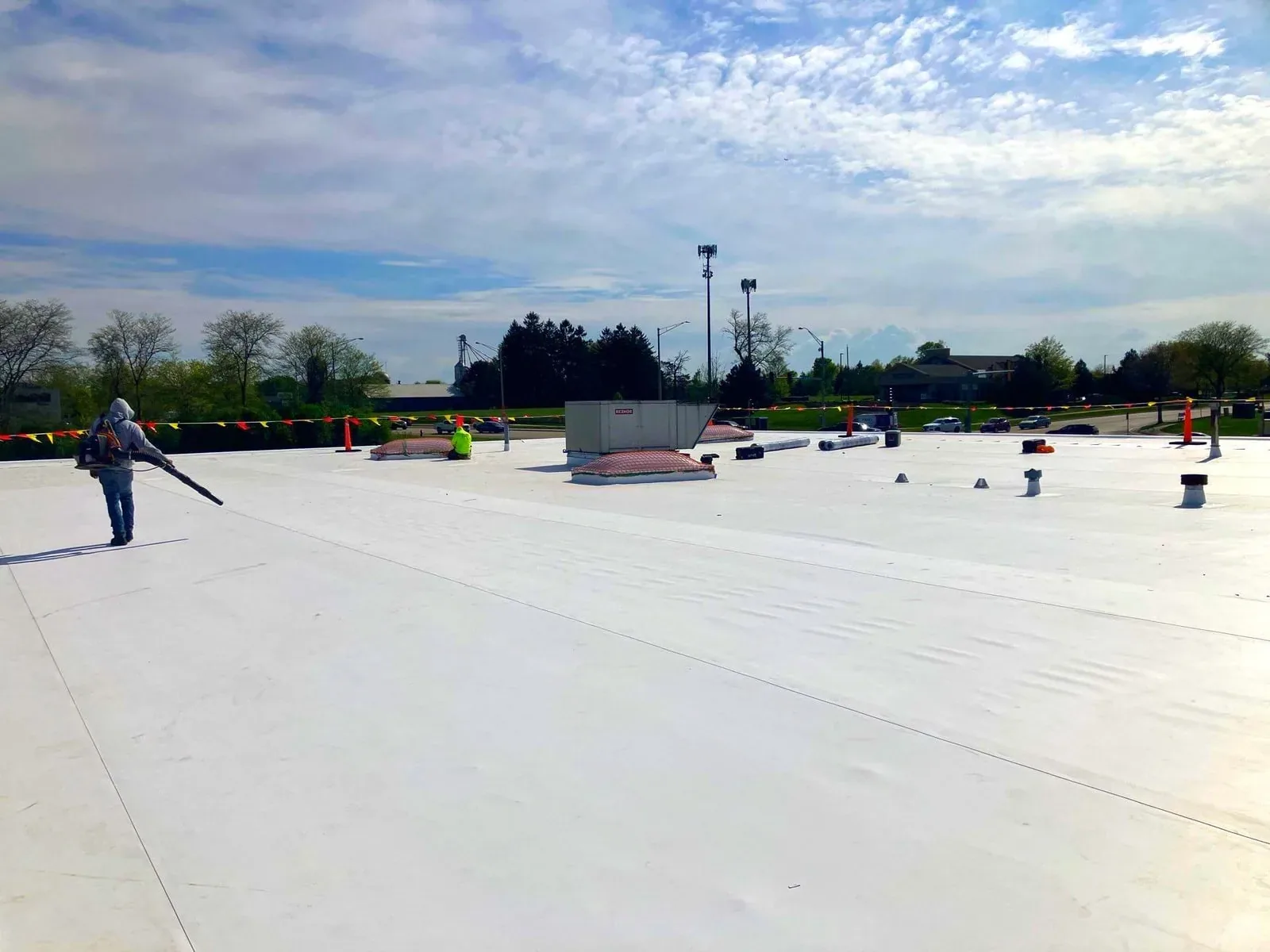
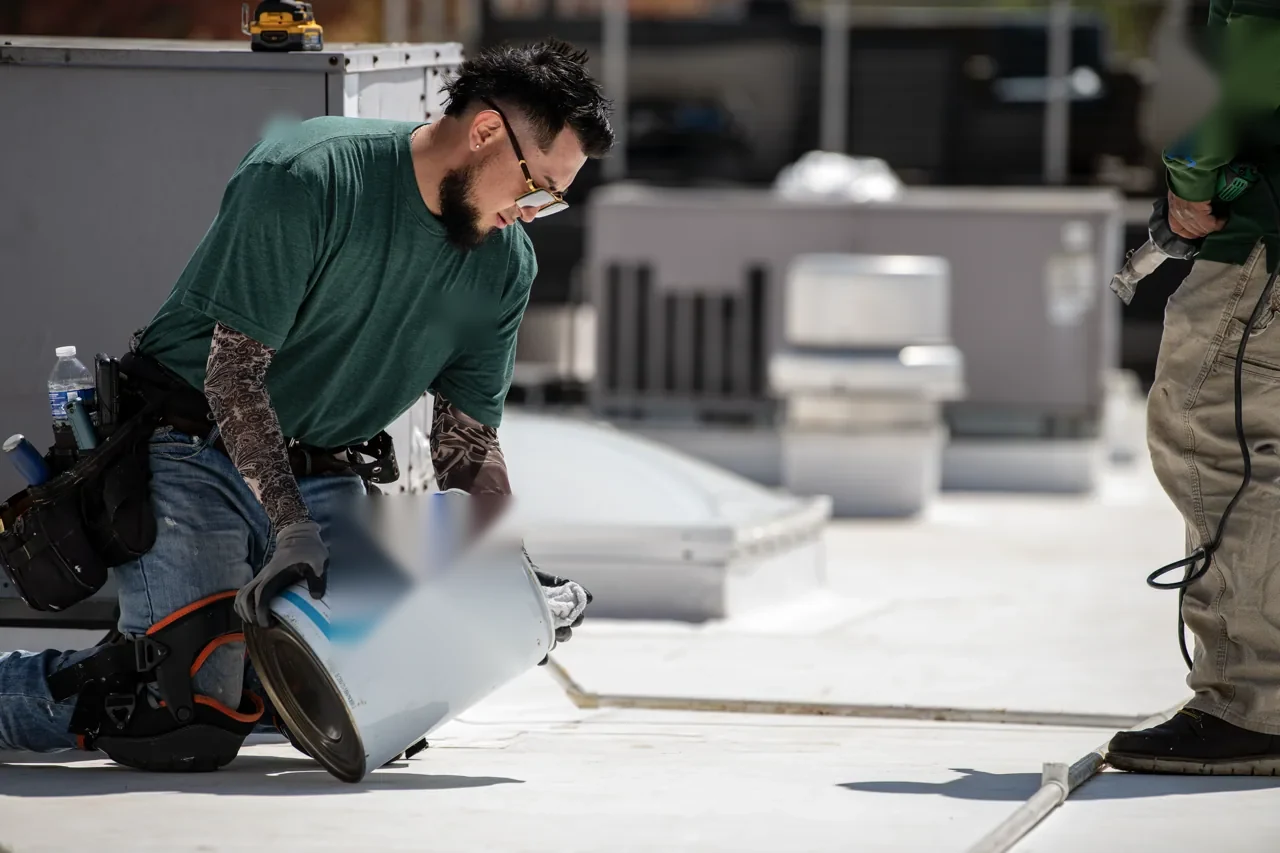
An owner may approve a focused repair while a manager gathers information for replacement, but those scopes should not be blurred. We mark the entry detail, repair material, tie-in, and adjacent conditions that could change the work. If moisture extends beyond the opening, we document the tested area before increasing the boundary. A replacement comparison identifies removal depth, insulation, cover board, flashing, drainage, and concealed-condition allowances. This lets ownership compare options without reading temporary protection as a completed repair.
For drainage design, Victorville publishes a 2.5-inch hourly rainfall criterion; an on-site review still has to establish whether a drain, scupper, or slope is working. That is a design reference, not a storm measurement at a managed property. After concentrated rain, we inspect the drain route, scuppers, ponding areas, and interior path. A recover assessment checks whether existing layers, moisture, structure, and code support another assembly. The owner receives findings for each property.
Plan around tenants and facility contacts
Roof access can depend on a tenant, an escort, a ladder location, or a shutdown coordinated with another trade. We identify who can authorize entry, the work window, and any occupied suite below the planned zone. Before opening an assembly, the crew confirms interior protection and a way to close the work area by shift end. A manager can relay a confirmed schedule to tenants while the field record notes route or scope changes. If operations change during the visit, we pause and confirm the next safe step with the facility contact.
City planning marks the Bear Valley Road interchange with I-15 for commercial activity, including regional-serving and neighborhood businesses. That land-use context suggests questions about customer access and delivery timing, not a condition on any roof. A phased occupied-building plan can sequence work by roof zone and interior activity. Managers responsible for mixed-use assets can compare owner-side reporting needs and healthcare roof planning, while a Victorville roof assessment keeps the review tied to actual buildings.
Make the return visit useful
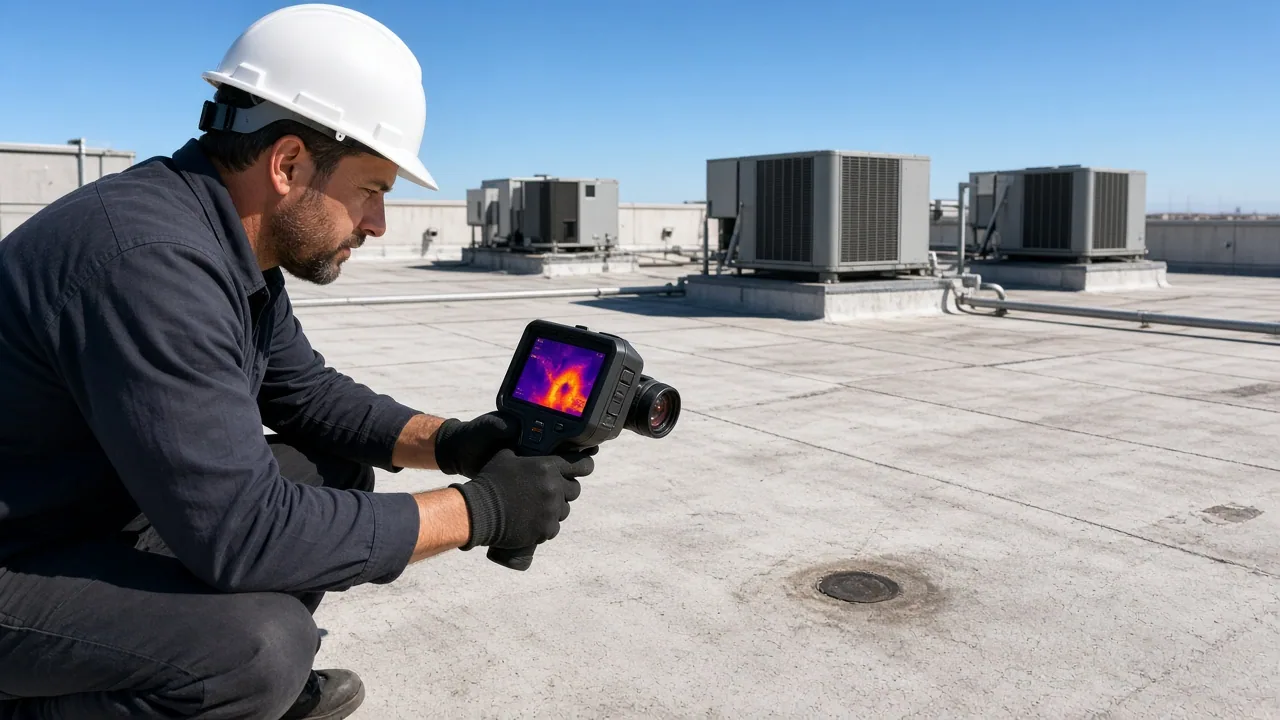
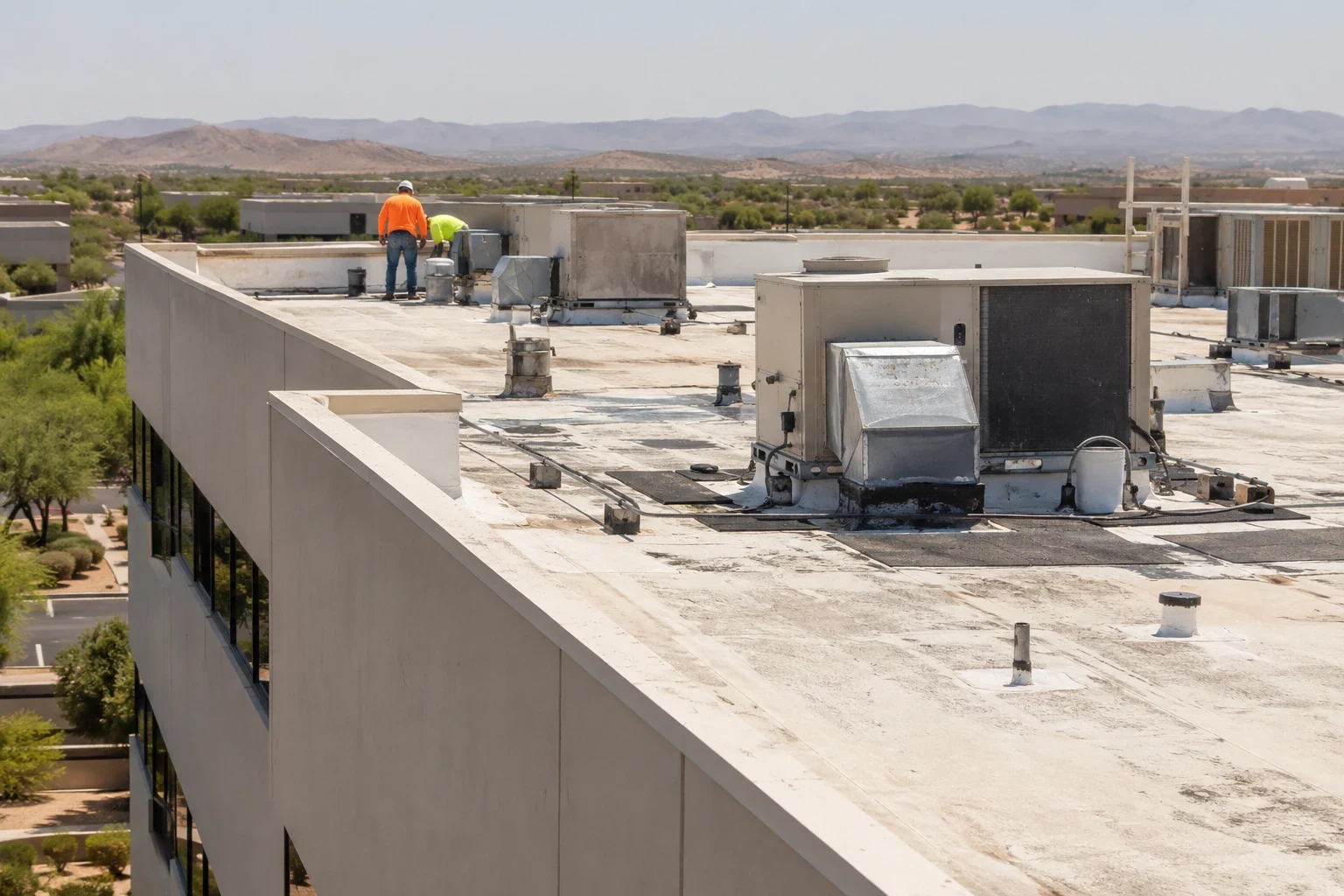
After a repair, we note what was completed, what remains open, and which signs would justify another inspection. A manager can pair that record with prior leak calls and maintenance observations, then schedule roof access before a small detail becomes an interior disruption. A maintenance visit checks seams, flashings, penetrations, drains, edge metal, and earlier repairs; it does not assume unseen areas match those opened. Where infrared testing or test cuts are appropriate, the report identifies the method and surveyed limits so the next budget discussion uses the right boundary.
Long summer exposure is part of Victorville's climate context. A George AFB-area climate record counted roughly 23 days in an average year reaching at least 100°F across its 1980 to 1990 sample; current roof and work conditions need a fresh check. Heat can affect surface temperature, sealants, and application timing. We protect stored material and size open areas to the work window. A preventive maintenance visit can set a repeatable record, and a replacement review can address assemblies where localized repair no longer fits the documented findings.
Give ownership a clear next decision
Closeout should leave the manager with a practical record: which roof zone was checked, what was found, what was repaired, and what needs a return visit or additional access. Photos should include a close detail and a wider reference, with notes for drains, curbs, edges, and any area left uninspected. If a claim is involved, we organize condition photos and repair documentation without deciding coverage. The manager can share a scope with ownership and facilities while keeping the building record available for the next budget discussion.
For a multi-building account, the next step may be an urgent repair, a limited survey, or a phased capital plan. We ask the manager for the affected roof zone, activity below, and access contact, then coordinate a safe assessment. From Seventh Street in Old Town Victorville to Bear Valley Road and I-15, the property's address and operation guide the sequence. Call to review a leak report, inspection need, or roof plan; we document visible conditions and explain the next decision.
Commercial Roofing Questions
How should managers compare leak reports from several buildings?
Start with each affected room, roof zone, operating impact, and access contact. We keep observations separate by property, then label active repairs, monitoring items, and areas needing further inspection.
Can one inspection cover an entire portfolio?
A program can coordinate access and reporting, but each roof needs its own survey. Assembly, drainage, prior work, and occupied space are recorded by building before recommendations are compared.
What should ownership receive before approving replacement?
A documented boundary helps: tested areas, photos, repair history, removal depth, drainage and flashing details, and allowances for conditions that appear only after removal.
How do you handle a tenant report while roof access is pending?
We identify the interior risk and ask the facility contact to follow site safety procedures. Temporary protection and a roof inspection are coordinated when safe access is available.