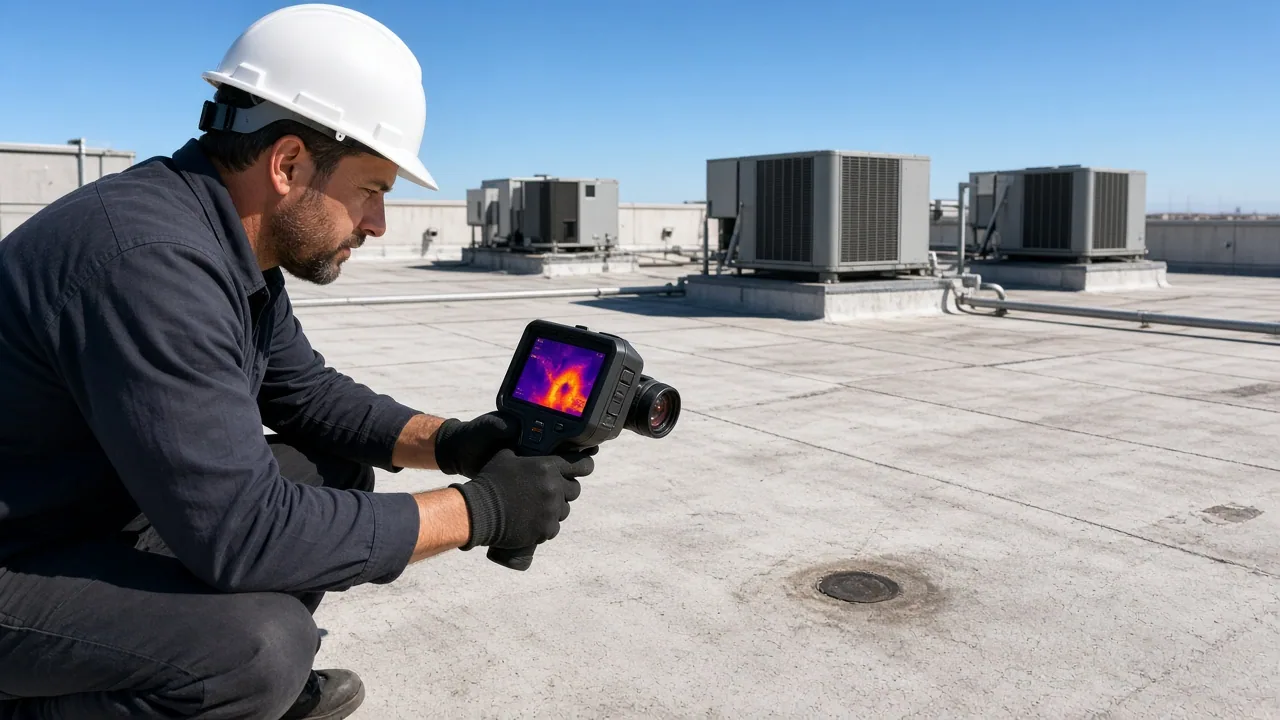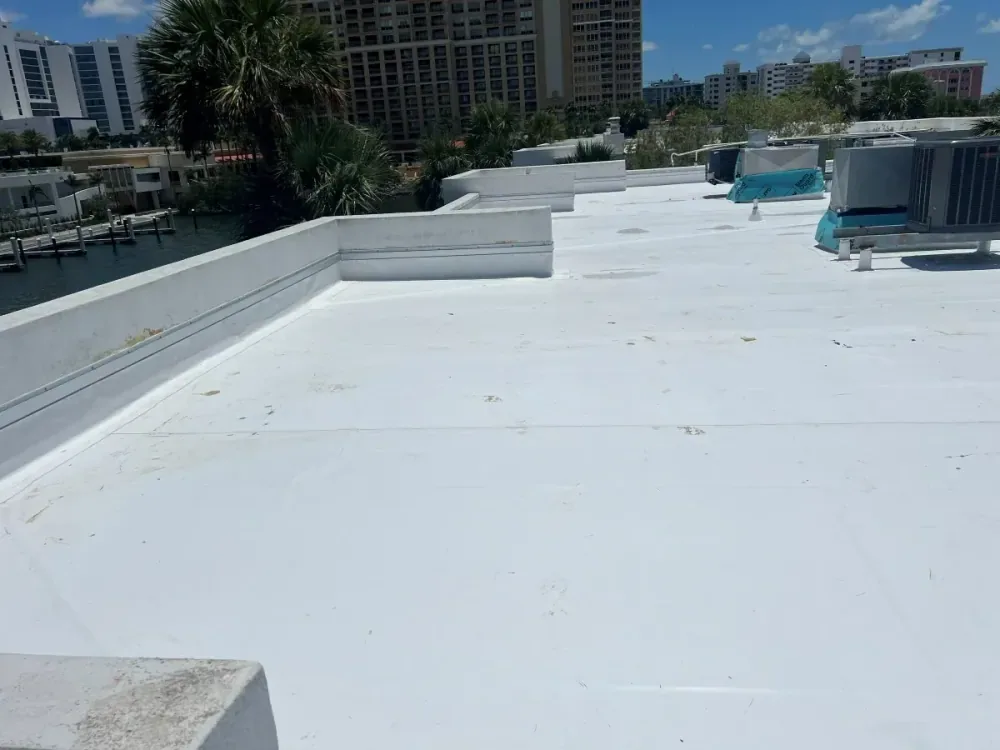
A KEE membrane should be evaluated by its installed system and roof details, not by the initials on an old maintenance sheet. The facility contact identifies the leak area, roof access, and any process or equipment that could affect the surface. In Victorville, we inspect the membrane, seams, flashings, drains, and repair history before deciding whether a local patch or broader replacement review fits the evidence. The first step is to confirm the actual assembly.
The National Weather Service lists the Victorville station elevation at 2,873 feet. That describes the station, not the height or exposure of a particular roof. We record current field conditions and route the next decision through a roof inspection.
Membrane identification: confirm what was installed
KEE is a modifier used in some PVC roof membranes. The name alone does not identify a manufacturer, sheet thickness, reinforcement, attachment method, or warranty. We review labels, submittals, repair records, and accessible details when available, then compare them with the roof. If documents are missing, the report states that limitation rather than assigning a product based on color or appearance. This prevents a repair specification from relying on an assumption that the existing sheet does not support.
A facility team may have several roof phases, and the assembly can differ from one wing to another. We mark those changes by zone and note seams, metal transitions, and prior patches. The proposal names the confirmed system or describes it as an unknown membrane where identification is incomplete. When a product-specific question affects compatibility, we coordinate with the selected system requirements before applying a repair. A roof condition report keeps the field record and source documents together.
Seam and flashing: inspect the weld and turn-up
We examine accessible welded laps for separation, wrinkles, contamination, and earlier patch edges. The team also checks inside corners, curb bases, pipe penetrations, parapets, and termination metal. An open seam is only one possible entry point; water can travel under a sheet and appear indoors far from the failed detail. We connect the roof finding to the reported interior area and document the path that can be observed from the surface.
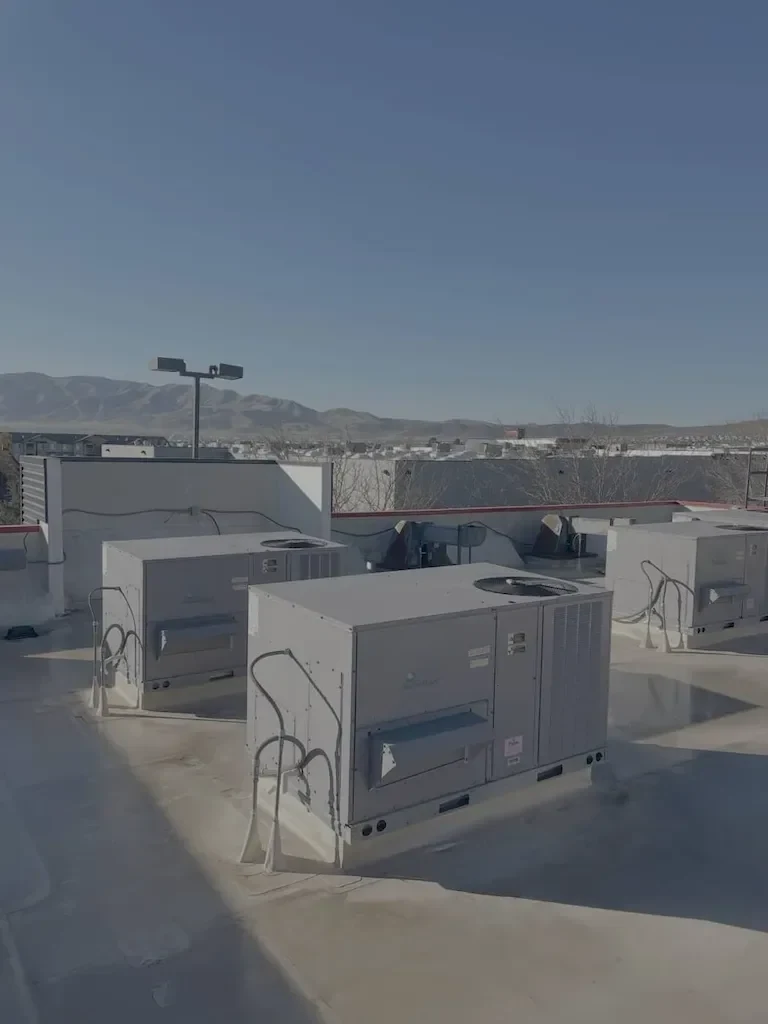
For an isolated seam defect, a compatible patch may be appropriate when the adjacent membrane is clean, sound, and dry. We prepare the area according to the selected material system and extend the repair onto serviceable sheet. If multiple welds have failed or insulation shows signs of moisture, a small repair may not address the wider assembly. The seam-failure repair process can define a focused boundary, while the curb detail review documents an equipment transition.
Exposure review: map contact and service paths
Where grease, oils, cleaning agents, or process materials may reach a roof, the exact substance and route matter. We ask the facility contact to identify the discharge point, frequency, and affected roof zone. That conversation is not a chemical analysis, and a generic material label cannot confirm compatibility for every exposure. If the substance is uncertain, the owner or designer should establish it before selecting a membrane or repair compound. The report can still record visible staining, surface change, and nearby seams.
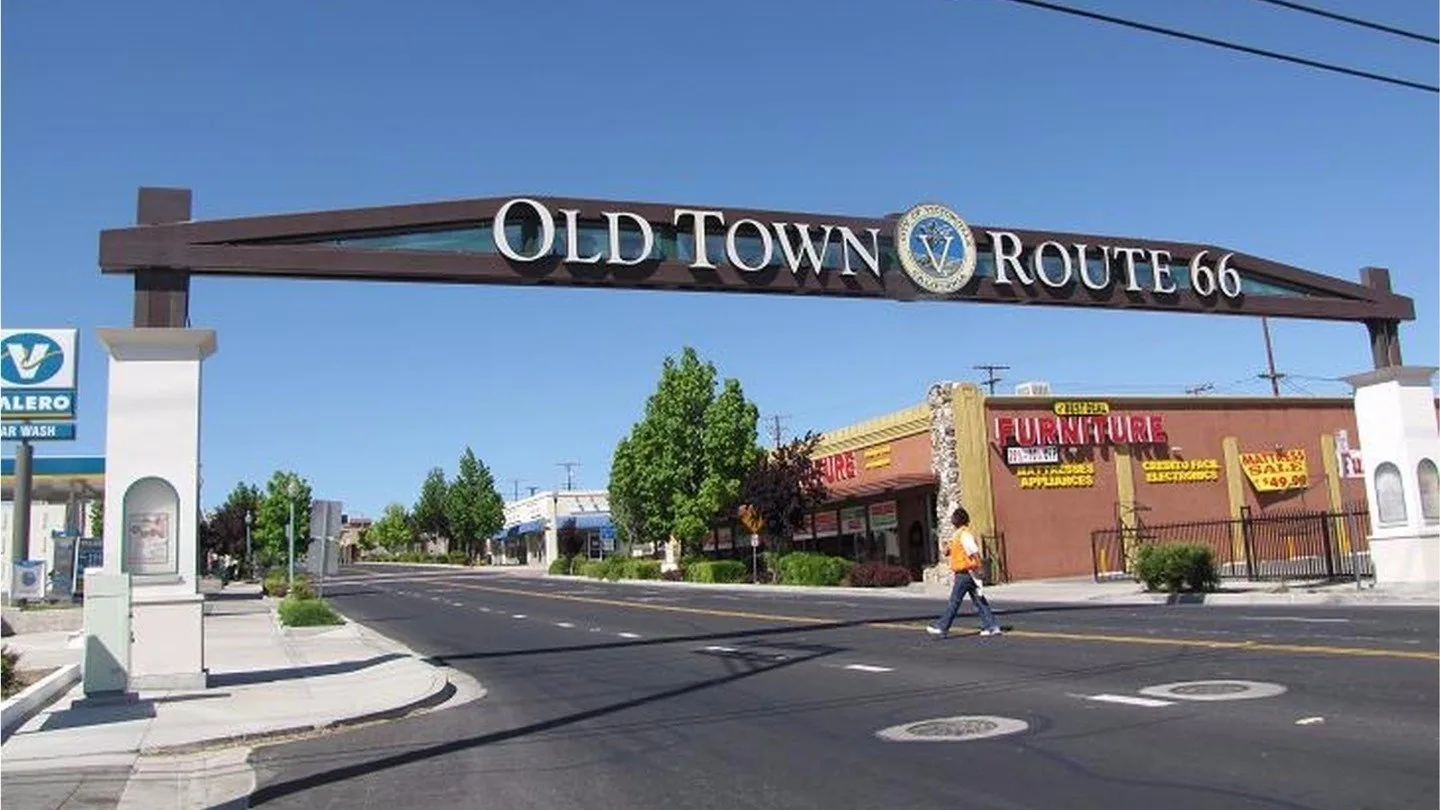
The Bear Valley Road and I-15 focus area includes regional and local commercial uses in Victorville’s land-use plan. A planned use mix is not proof that any building has a particular exhaust or chemical condition. The roof inspection confirms the actual operation and details. Along Old Town Victorville, retail, service, light-industrial, residential, and open-space classifications appear together, so one property cannot be characterized by the district alone. An Old Town Victorville roof review remains specific to its own building and access contact.
Water management: check drains beside the membrane
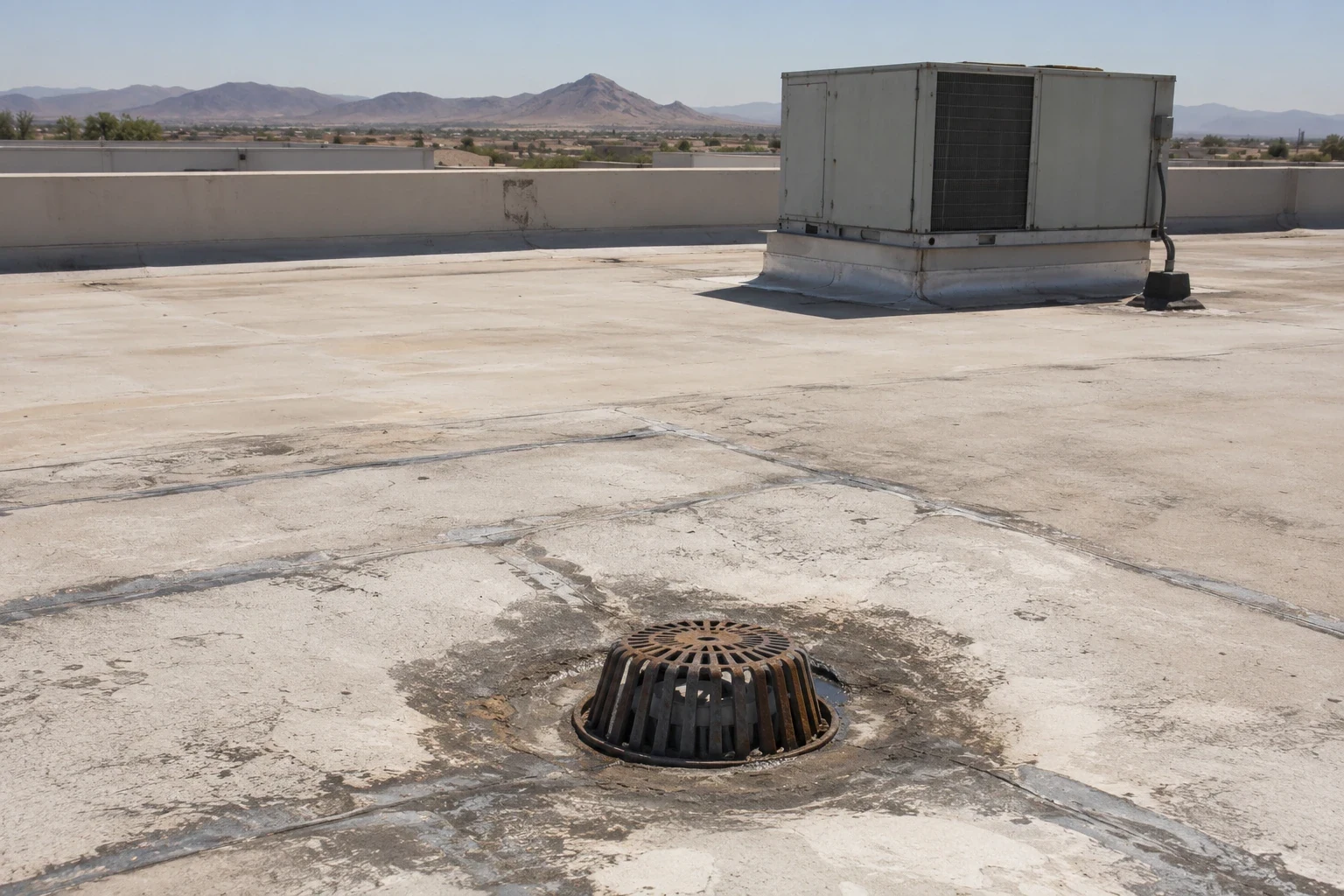
Water reaching a KEE membrane still needs a clear route to an outlet. We inspect drain bowls, scuppers, overflow paths, roof slope visible at the surface, and locations where ponding touches a seam or repair. Victorville lists a 2.5-inch-per-hour rainfall rate for roof-drain sizing. That is a design input; it does not establish whether an existing drain is open, properly connected, or adequate for a specific roof. We record accessible evidence and identify any piping or slope question that needs another professional.
Where water remains near a curb, the repair may need to address both flashing and drainage. A membrane patch does not correct a low deck or blocked pipe. The drain and scupper scope can identify the outlet condition, while a ponding-water assessment reviews the roof plane and affected area. The city code reference is useful when discussing design documents, but field condition and approved plans govern the project-specific decision.
Repair path: decide what the roof can support
A limited repair works only if the membrane around the defect can accept the specified materials and the substrate is suitable. We document whether the repair needs seam welding, a cover patch, renewed flashing, or removal of wet material. If access is blocked or moisture is concealed, the scope says what further inspection is required before approval. The facility contact receives the locations, photographs, assumptions, and exclusions that define the work.
A recover or replacement review considers existing layers, attachment, drainage, curb heights, edge conditions, and roof operations. If the roof’s repair history shows recurring failures across multiple zones, replacement may give the owner a clearer reset point than adding another patch, subject to a field and design review. Replacement planning sets removal and weather-protection details. When evaluating another single-ply assembly, PVC membrane options and TPO seam details can be compared against the building’s needs rather than treated as interchangeable.
Coordination: keep the roof record current
Before work, the site contact confirms roof access, active equipment, delivery route, and the hours when a repair zone can be isolated. The crew protects drains and adjacent surfaces, records the initial condition, and leaves a secure tie-in if the scope spans more than one shift. After the work, the photo set shows the repaired membrane and adjacent details. Any equipment contractor or later penetration should be added to the building record so future inspections can distinguish roof work from changes made by another trade.
Victorville’s city materials identify manufacturing, logistics, industrial users, and distribution in the local economic context. That does not describe the schedule of a specific facility, which the property team provides. If operations remain active during the repair, a coordinated occupied-building sequence can set daily work zones. A separate EPDM assembly review is useful only when a replacement comparison is actually under consideration. Call with the membrane documentation, leak location, and access contact.
Commercial Roofing Questions
Is every white single-ply roof a KEE membrane?
No. Color and appearance do not confirm a product or formulation. We review accessible documentation and physical details, then note any uncertainty before specifying a compatible repair.
Can KEE membrane be patched with a PVC repair material?
Compatibility depends on the specific sheet and repair system. We identify the installed assembly as far as records and field details allow, then follow the selected system requirements for preparation and repair.
Does Victorville heat determine when this roof should be replaced?
Historical weather is context, not a condition assessment. Replacement timing depends on the roof’s current seams, flashings, moisture, repair history, drainage, and the owner’s operating requirements.
What does the city rainfall figure mean for our drains?
The published rate is a design reference, not a test of existing capacity. We inspect accessible outlets and water paths, then identify any piping, slope, or engineering question that needs separate review.
What records help with a KEE roof assessment?
Share membrane submittals, repair invoices, warranty documents, leak logs, roof plans, and any equipment work records. The facility contact can also point out the affected interior area and roof access rules.