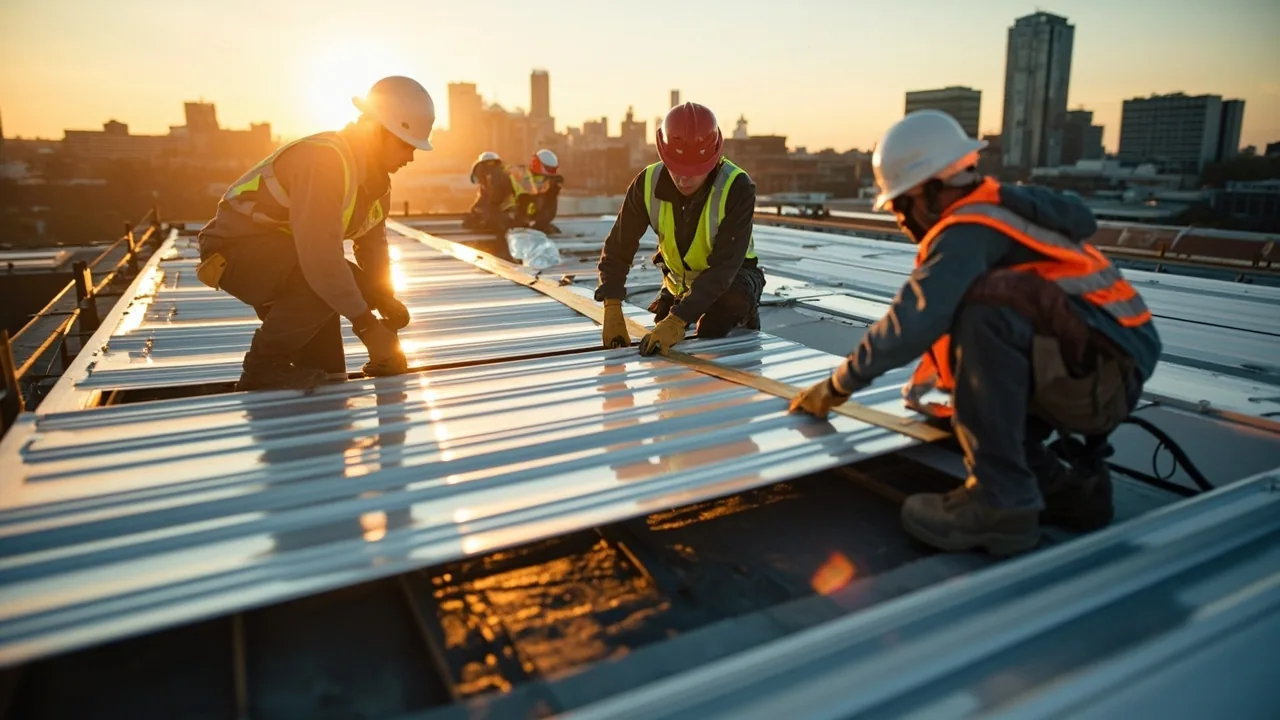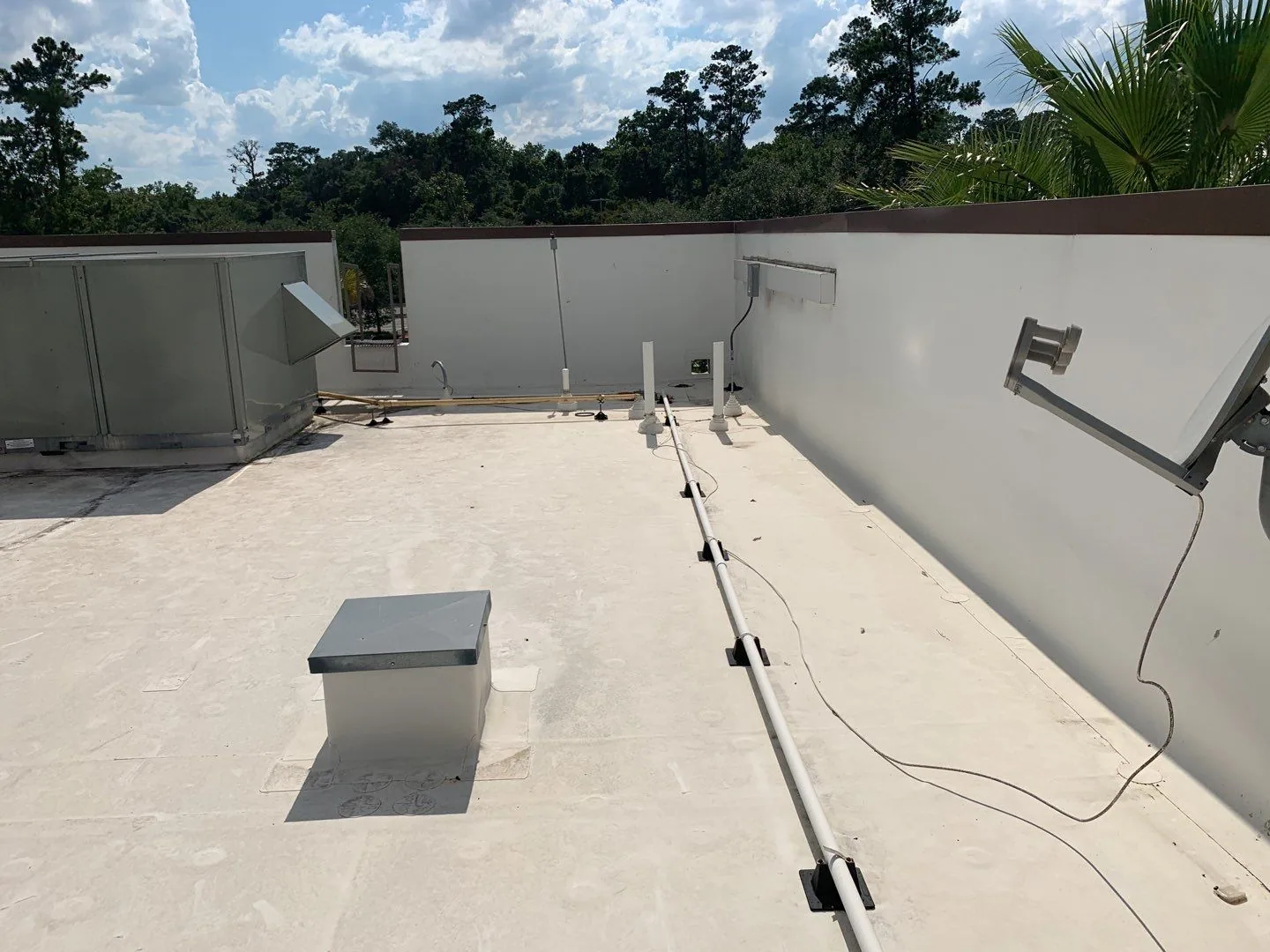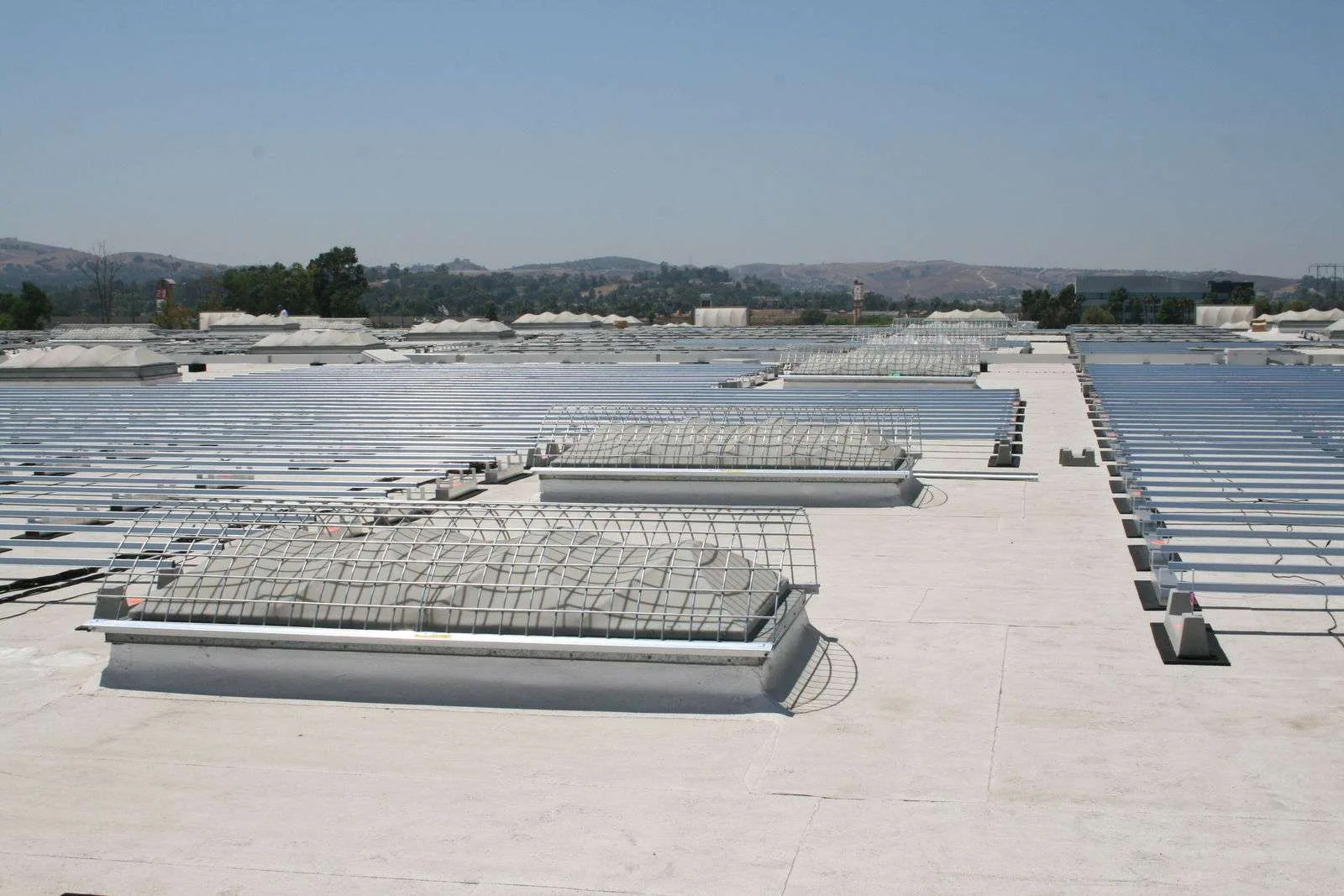
A panel row can look sound from the ground while a loose clip or failed penetration lets water enter beneath the metal. For a Victorville facility, the first call identifies the roof zone, the operation affected, and who can arrange access. We inspect raised seams, panel edges, fasteners, clips where visible, eaves, and the route toward gutters or drains. The photo set records each detail with its location. That gives the owner a repair boundary before choosing a panel correction, detail repair, or broader replacement.
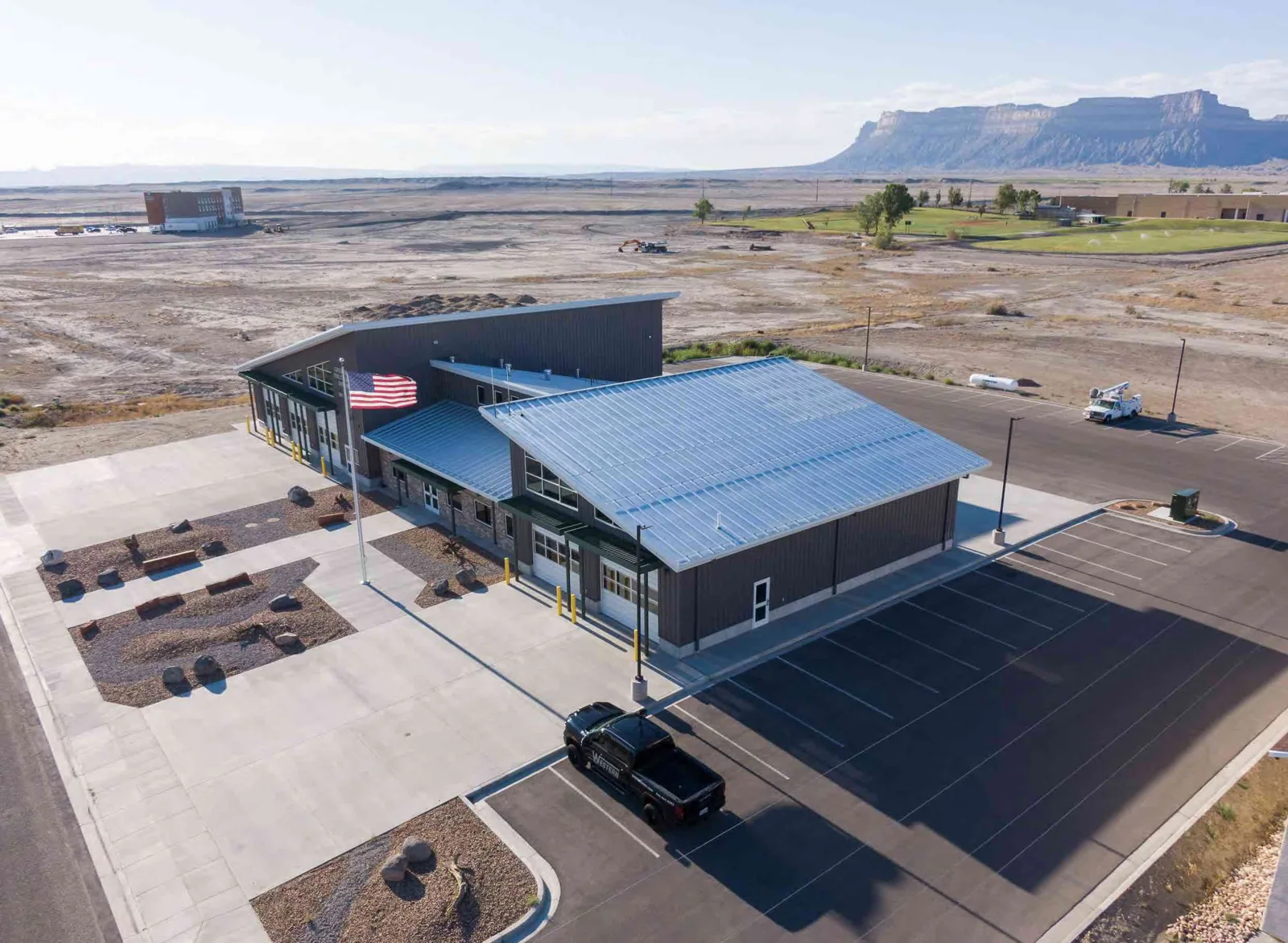
Standing seam roofs use interlocking raised seams, with panels attached through concealed clips or another specified approach. The profile, clip spacing, finish, and drainage path vary by assembly, so repair material cannot be chosen by color alone. We check the actual system. If the goal is a new insulated plane above existing panels, compare metal roof retrofit assemblies rather than assume a panel repair solves the larger condition.
Trace water from rib to eave
We look for open seams, distorted edges, loose clips, finish damage, corrosion at cuts, and sealant that has separated from metal. A screw-through patch can create a new movement or leak path if it ignores the intended attachment. Water may travel along a rib before it reaches the ceiling, so interior reports are matched with roof photos. At eaves, valleys, and gutters, we check whether discharge remains clear and whether edge metal is secure.
Victorville design references include wind values based on occupancy and exposure. They inform project review, but they do not prove how existing clips were installed or how a given roof performs. For replacement, the engineer and project documents set the criteria for panel spans and attachment. We record visible conditions and identify where concealed supports need an opening. If a leak is active, metal roof repair can make the immediate area safe while a larger detail review is arranged.
Let long panels move as designed
Long panels expand and contract with temperature. The attachment has to accommodate that movement without pulling a seam or stressing a transition. A fixed clip, altered fastener, or penetration can concentrate force. We check panel starts and ends, ridge or high-side details, and places where equipment interrupts the rib layout. The repair should restore the water-shedding line and preserve movement where the system requires it, rather than seal over a detail that continues to shift.
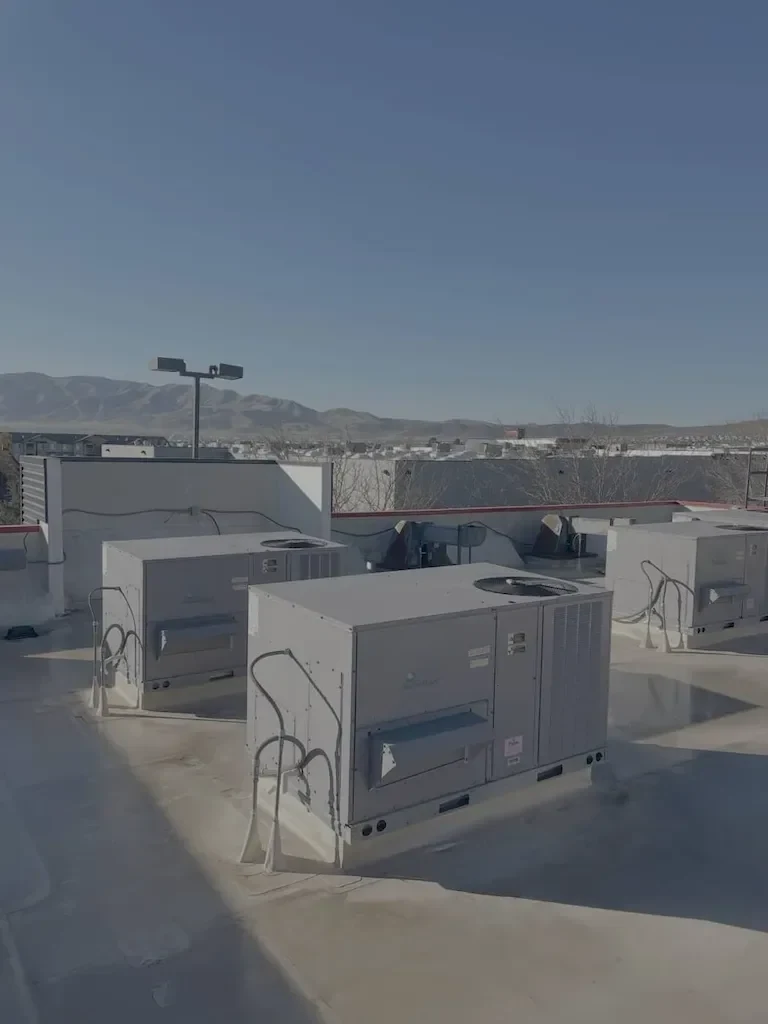
Heat affects safe roof access and the temperature of metal and sealants. Victorville station history documents high summer maxima during its observation period; current conditions and product instructions govern any work date. We set an access window, protect material, and close each completed zone. If equipment is added, curb and support detailing should fit the ribs and framing before a panel is cut; penetration flashing should keep runoff out of the opening.
Choose a practical repair boundary
A damaged panel may be replaced locally when adjacent seams, clips, substrate, and finish can accept a sound tie-in. Several leaks near separate transitions can point to a larger system condition. We compare repair locations with the roof plan and prior work, then sort panel, edge, and penetration findings. A liquid coating over standing seams is not an automatic fix; compatibility with the finish and freedom of panel movement need review before that option is considered.
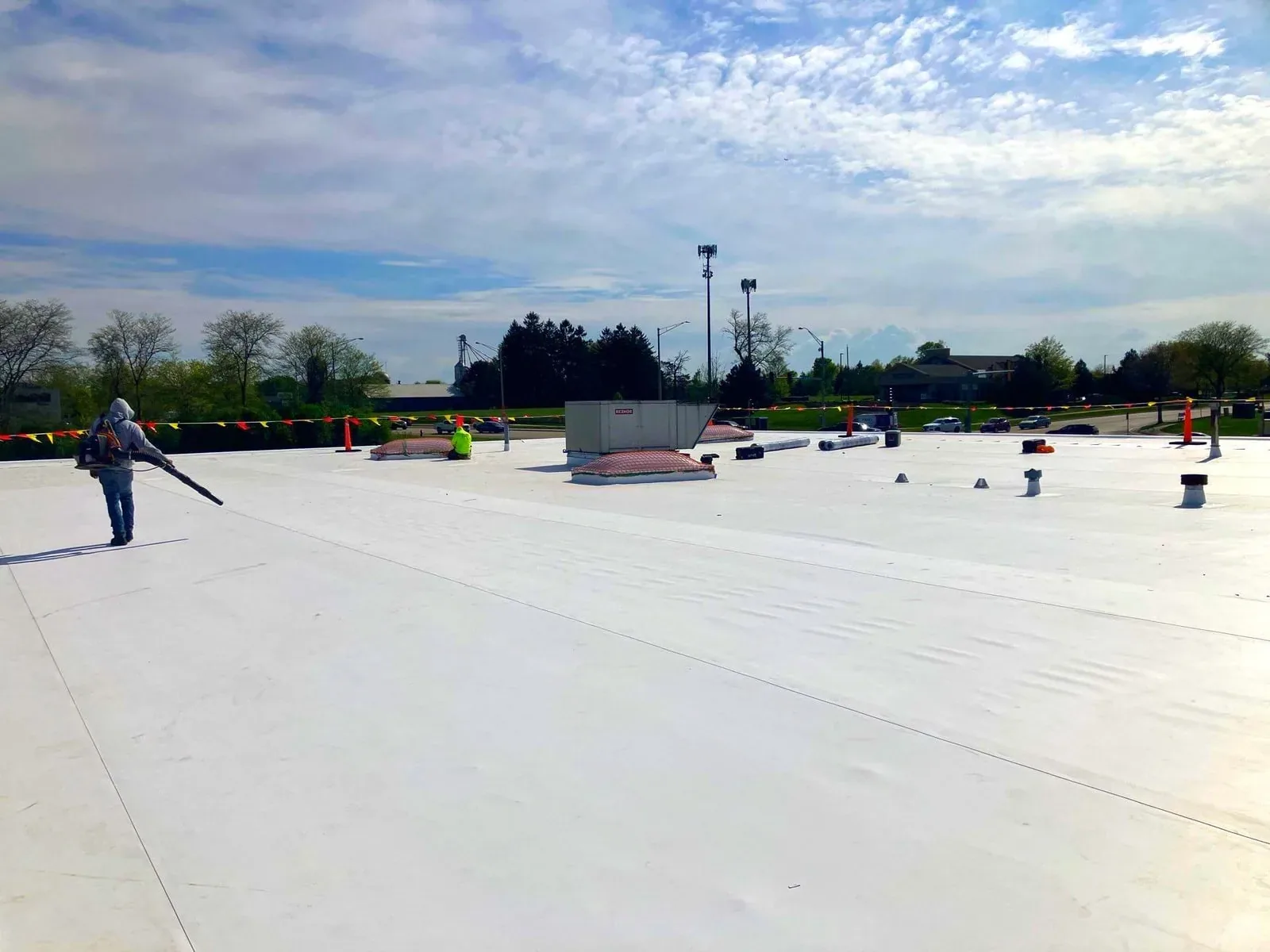
When isolated work no longer serves the owner, a replacement scope should identify panel profile, base metal and finish, clip approach, underlayment, and edge and ridge details. A low-slope zone may be compared with TPO membrane roofing, while another area might use modified bitumen. The building, support, and drainage determine whether the system change is feasible, not the material label alone.
Keep staging away from water routes
Metal panels can dent or scratch during staging, and loose packaging can block gutters. We mark a travel path, set material away from outlets and edges, and coordinate lifts with the facility contact. Work near a busy entrance may need a different sequence from an isolated roof zone. At shift change, the crew checks panel edges, loose fasteners, and temporary protection so an incomplete transition is not left open to weather.
Bear Valley Road and I-15 form a commercial focus area; the city also plans industrial development near U.S. 395 and Mojave Drive. Those locations do not tell us a particular building's roof type, but surrounding use can affect delivery and access windows. A warehouse roof scope can account for dock activity, and a Victorville commercial roof review ties photos to the site's repair plan.
Give the next visit a clear starting point
A metal-roof record should identify panel rows or zones, seam and clip observations, repairs made, and any area not opened. Include close photos of the field, eave, ridge, and penetrations plus a wider view for orientation. For replacement, document panel direction, attachment transitions, and finished terminations. That helps when equipment service, solar planning, or another trade needs to cross the roof later.
Maintenance checks fasteners, visible clip movement, finish damage, sealant at transitions, gutters, and debris. A photo of one seam is less useful than a record showing its location in the drainage path. A roof condition report can group active repair with monitoring items. If an opening appears outside the planned work area, temporary roof protection can safeguard the interior until permanent detail work is scheduled.
Document the profile for the next repair
Metal repairs are easier to repeat correctly when the record identifies panel profile, seam direction, visible clip type, finish condition, and the transitions that were inspected. A photograph should show the panel in context and a close view of the damaged joint. The same record can note whether fasteners were exposed or concealed and whether the affected area sits near a ridge, eave, or curb. That gives a future technician more than a color description when material must be matched.
Old Town Victorville's plan includes retail and service uses, light-industrial land, homes, and open space. I-15 also serves the city. Those facts do not tell us how an individual roof drains, but they can frame questions about access and staging that the property contact answers. On a metal building, we confirm the panel run, equipment locations, and gutter route before placing a lift or material. The owner then receives a repair scope tied to the building rather than a broad statement about metal roofs. If panels are being replaced, these observations help the designer check termination and movement details.
During closeout, note whether the correction changed panel alignment or only restored one transition. Include the fastening or clip condition that could be seen without removing the panel, plus any area left for engineering review. This keeps a localized repair from being described as a full attachment survey. A later service visit can compare the same ridge, eave, and curb photos, then decide whether movement or finish wear has progressed enough to change the maintenance plan.
Commercial Roofing Questions
Can a standing seam roof leak without exposed screws?
Yes. Water can enter at a seam, clip transition, ridge, eave, curb, or cut edge even when the panel field has no exposed fastener. We trace the route and check surrounding details.
Can one panel be replaced?
A single panel may be replaceable when adjacent seams, clips, support, and finish allow a sound tie-in. We confirm profile and attachment before pricing.
Does metal roofing need coating to stop leaks?
Not by default. Coating must suit the finish and detail geometry, and it cannot correct a loose panel, failed clip, or poorly formed penetration.
What should I share before an inspection?
Send the reported interior location, recent roof or equipment work, access contact, and any prior photos. A panel layout helps connect the report to the correct seam.