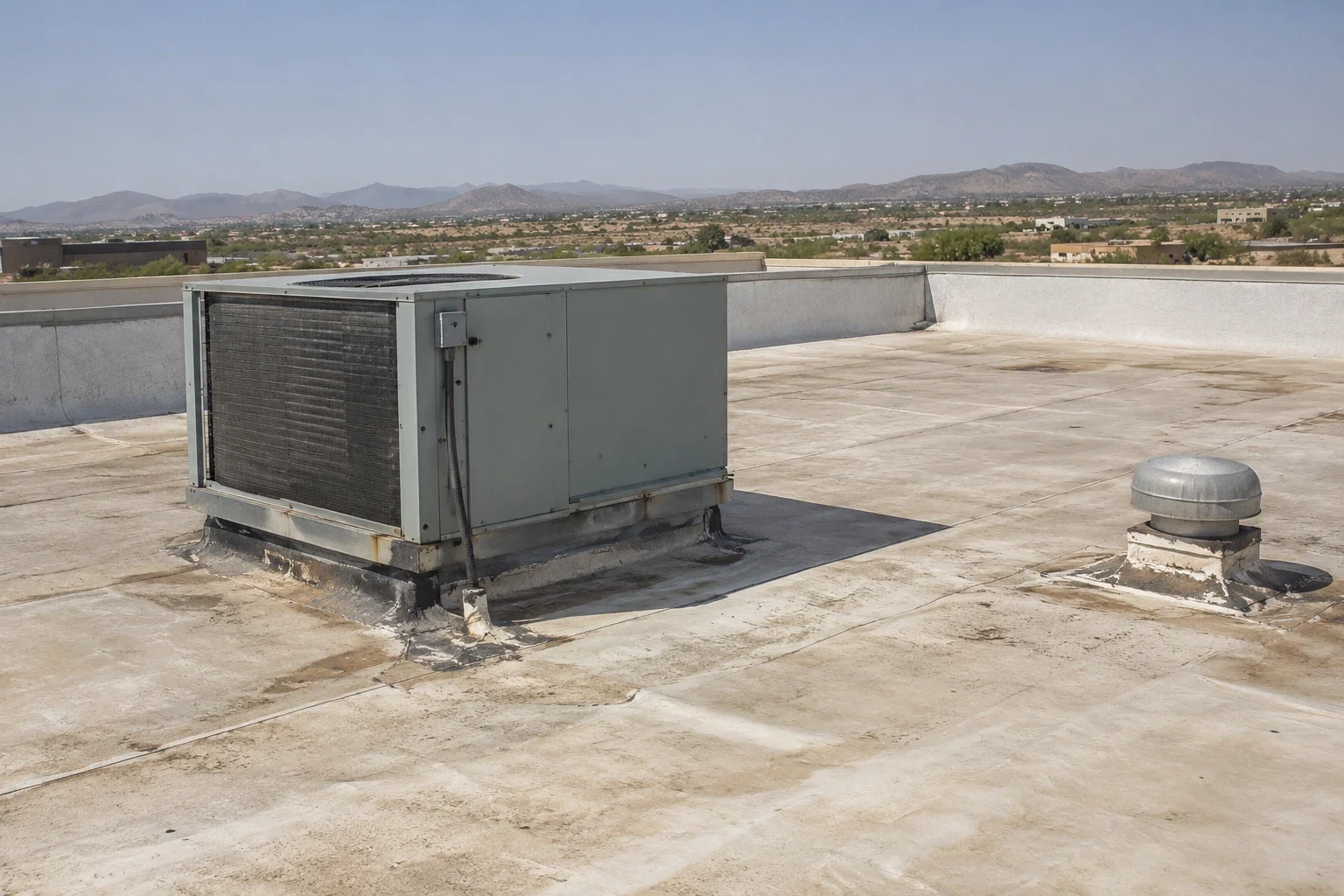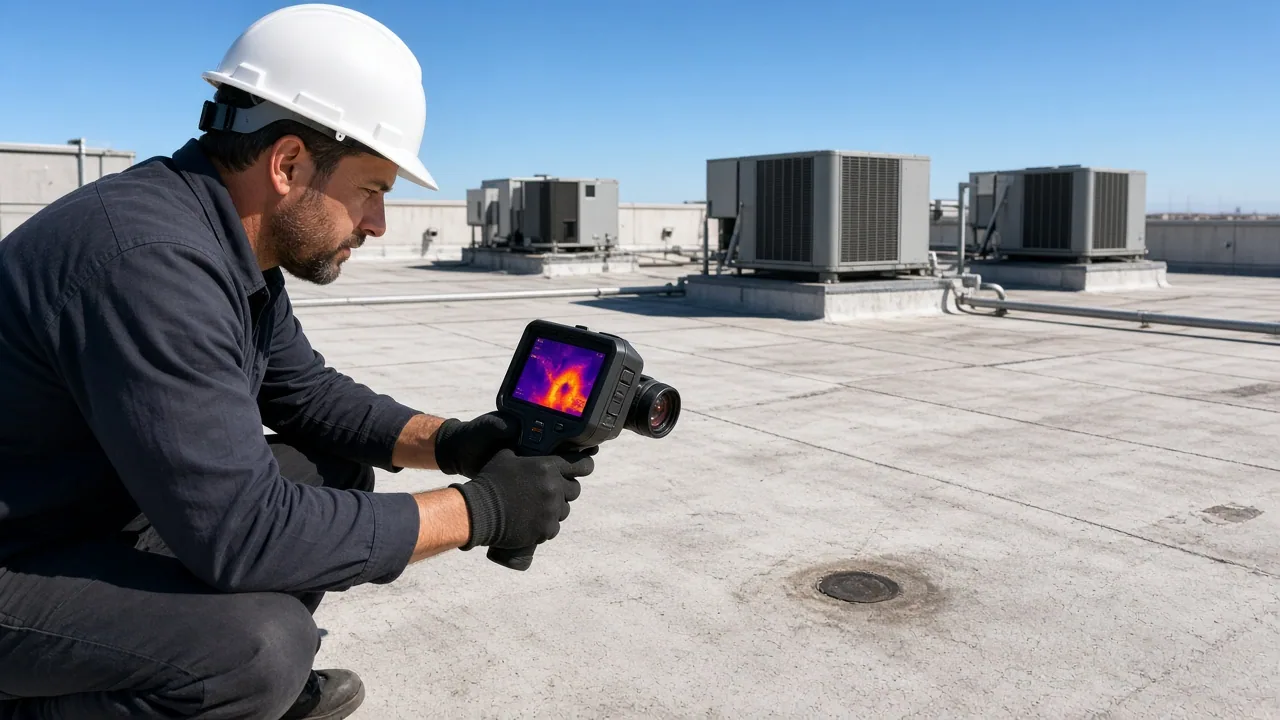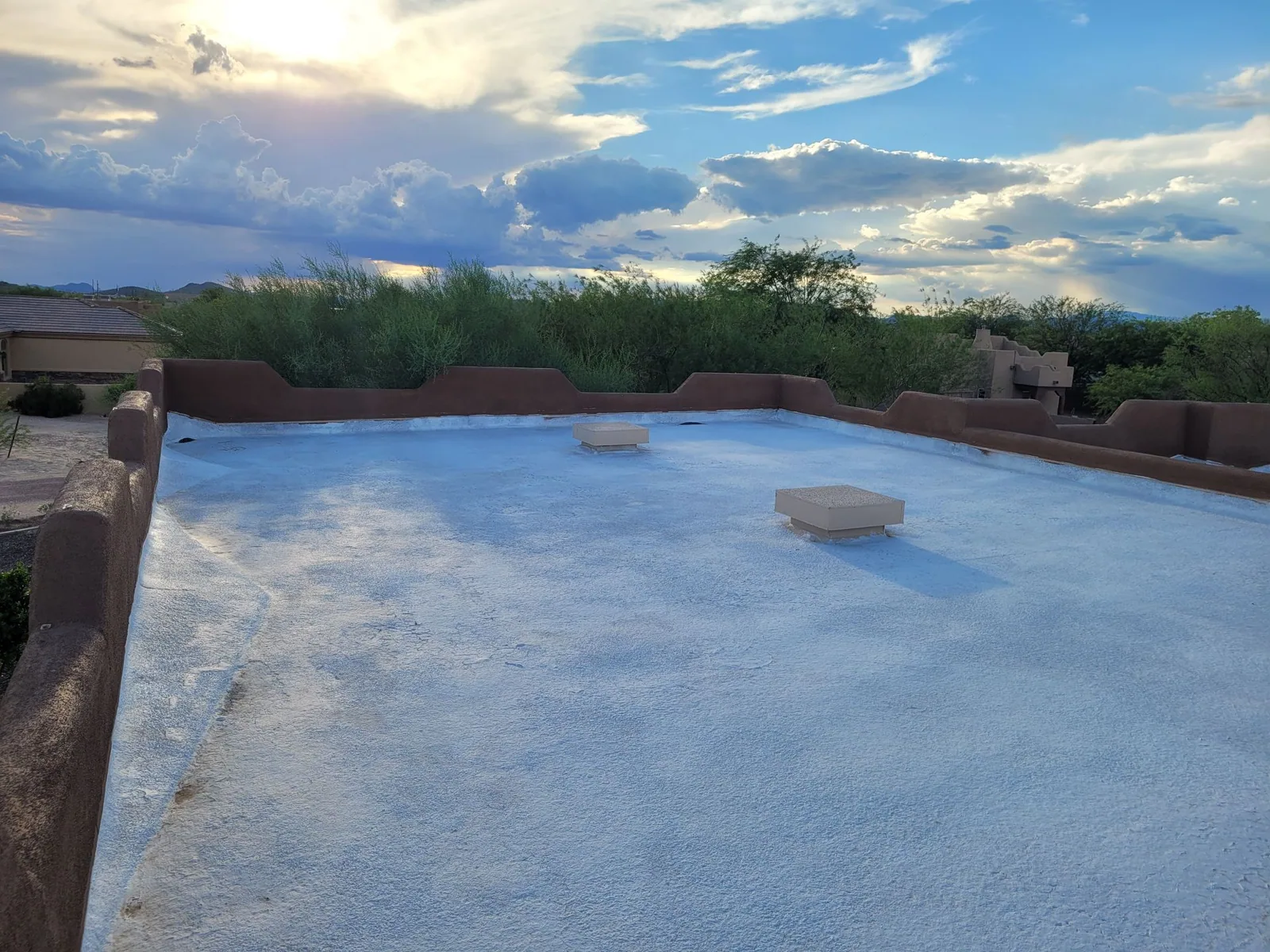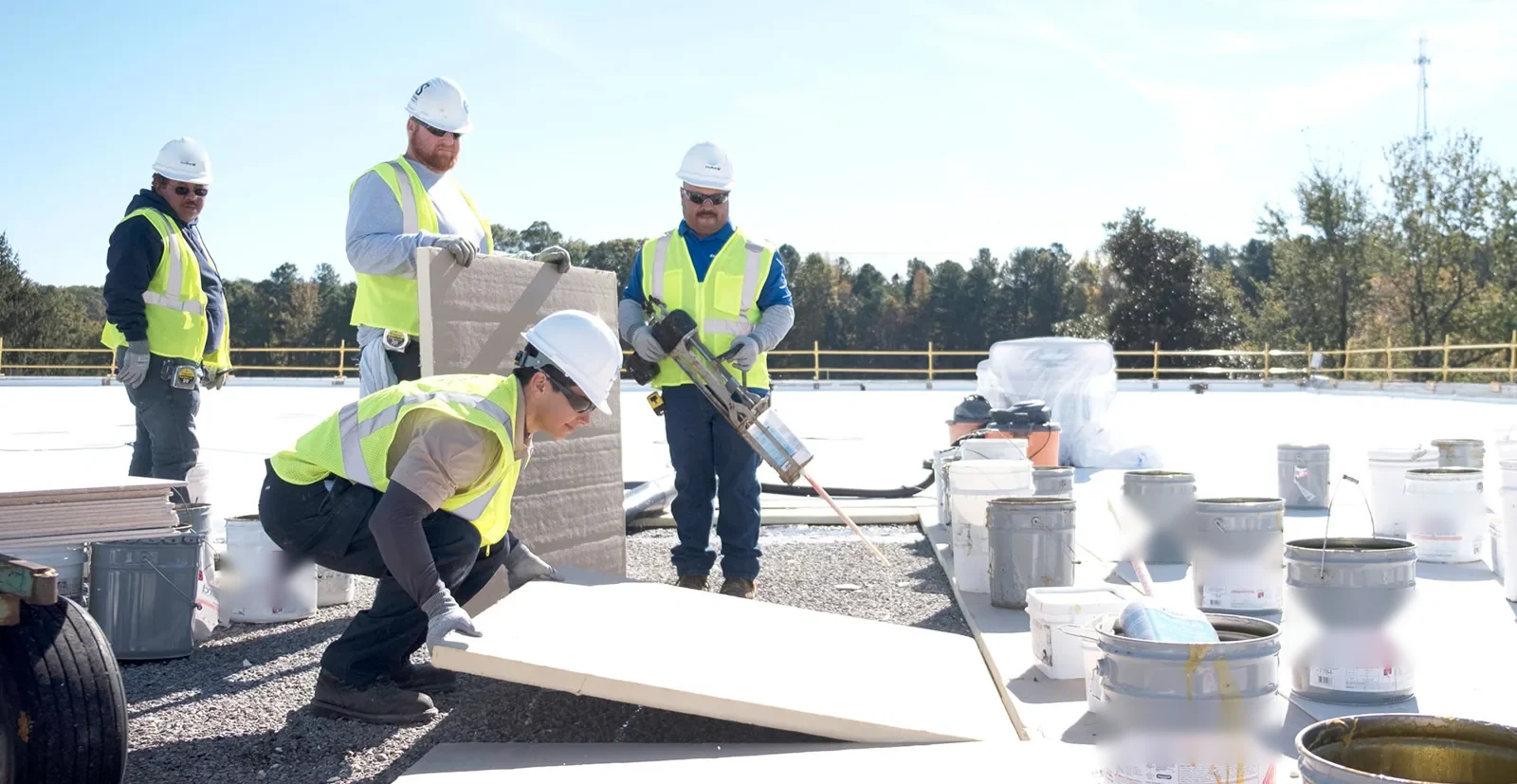
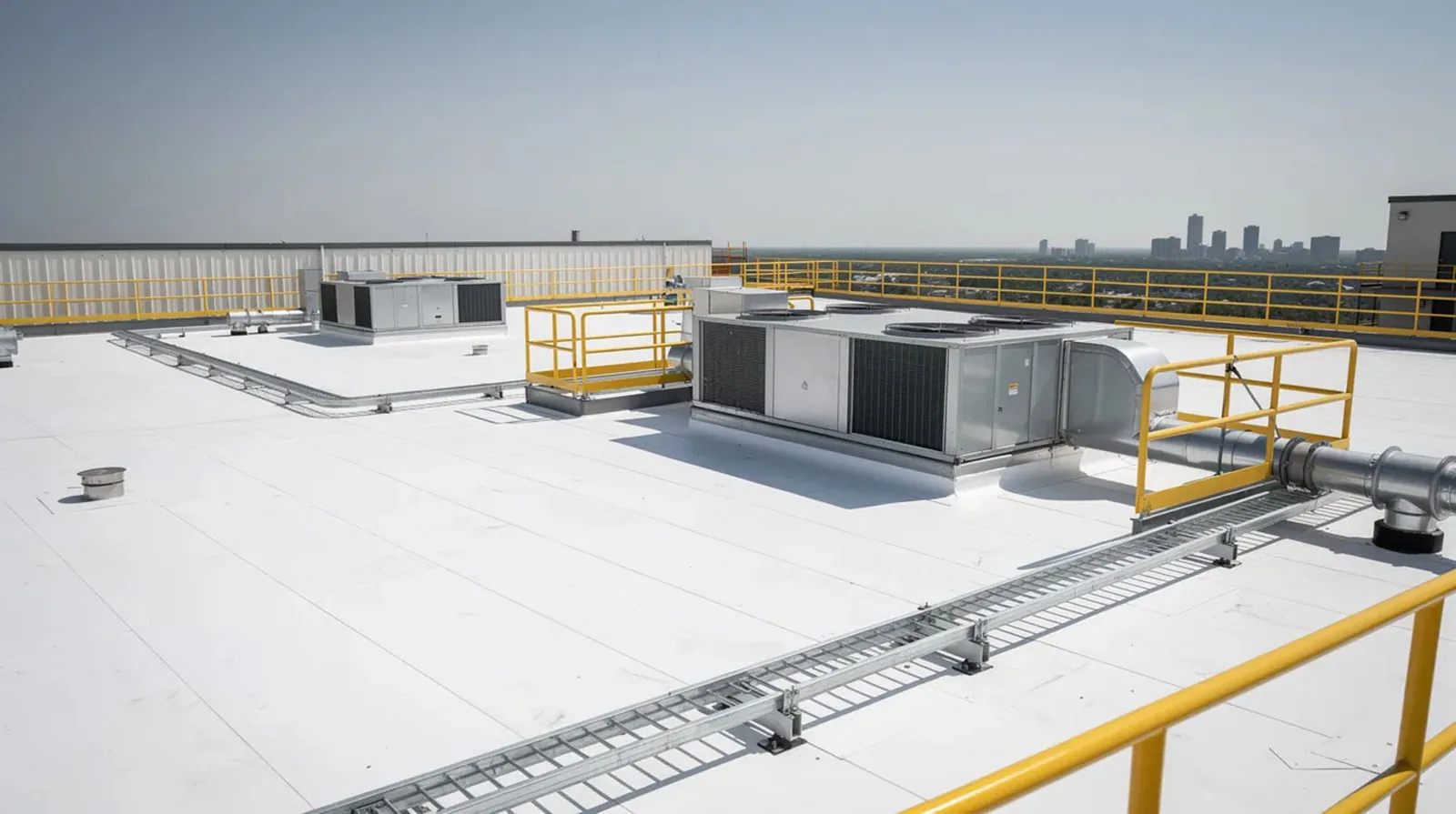
A roof record is useful when the facility contact can tie a leak, repair, or inspection photo to one roof zone and one decision. We start by separating the building into field areas, edges, drains, curbs, and transitions, then record the assembly we can actually see. In Victorville, heat exposure and sudden rainfall make surface condition and drainage observations worth keeping together. A roof asset register gives an owner a working history instead of a folder of disconnected proposals, invoices, and photos. We establish what is known, what still needs inspection, and what should be checked at the next access window.
The register is not a claim about how long a roof will last. It is a consistent place to keep observed membrane condition, repair locations, moisture findings, access limits, and follow-up work. A photo-based condition report can establish the starting point and keep changes visible over time. The first call identifies which buildings are active, where records sit, and who controls access.
Roof register: give each zone an identity
We assign a practical label to each field, drain group, perimeter, and equipment cluster, then use the same labels in photographs and repair notes. A manager can compare a north field with the same field on a later visit without relying on memory. We record membrane type only when it is identifiable, note the areas that were not accessible, and separate observed conditions from questions that need a test cut or other investigation.
Victorville code information includes a roof-drain sizing rainfall input of two and a half inches in one hour. That city reference belongs in the register as design context, not as proof that a particular drain is undersized or clear. At the Eastern Bear Valley Road Corridor, the city plan describes regional and local commercial uses near I-15. The range of operating schedules in such a district makes clear roof-zone labeling useful when several contacts review the same repair scope. For a close inspection, we can pair the register with a commercial roof inspection.
Condition history: separate observation from action
Each entry should say what was found, where it was found, how much roof area was reviewed, and what decision followed. A seam opening, wet insulation indication, loose edge, or clogged outlet belongs with its location and a dated photo set. We distinguish a condition that needs temporary protection from a permanent repair recommendation, and we note when a further opening or moisture survey is needed before the owner can compare options.
That distinction matters on a portfolio with roofs of different ages and assemblies. A closed work order does not necessarily mean the underlying condition was resolved, and a prior patch does not establish the condition of adjacent material. A moisture survey can add mapped indications to the history, while a ponding-water assessment can clarify whether drainage geometry or a local obstruction needs attention. The register keeps those findings tied to the actual roof zone rather than turning them into a general building label.
Risk and timing: set the next review around the roof
A useful asset record shows which issues can wait for a planned visit and which need a make-safe response. We flag open water paths, exposed insulation, deteriorated flashing, active interior impacts, and access restrictions in terms the facility director can act on. Summer heat is relevant to sealants, membranes, and exposed rooftop details, but it does not establish a specific roof's remaining service life. We use the inspection evidence to set the next review window, not a calendar formula unsupported by the assembly.
Victorville's Old Town plan includes retail and service overlays alongside light-industrial and residential land. When a property operates amid those mixed uses, an access window and work sequence may need to account for deliveries, tenants, and public-facing hours. We note these constraints beside the roof observations. If replacement timing enters the discussion, capital planning can translate verified conditions into a phased decision. The Old Town Victorville service area reflects that mix of occupied uses.
Portfolio review: compare like with like
Across several buildings, a shared register helps ownership compare roof zones without pretending every roof is the same. We can group records by building use, assembly, observed moisture, repair history, and open scope. The categories are working filters, not grades. A warehouse drain issue and an occupied office flashing concern should remain separate until inspection establishes the same failure mechanism and repair need.
For a property group with activity near the Bear Valley Road and I-15 focus area and older mixed-use buildings in Old Town, the register can preserve different access and operating notes under the same ownership view. We keep each property's address and roof data in its own record, then use a summary to identify what needs a call, a site visit, or a budget decision. A portfolio roof review can organize those questions, while drain and scupper work remains linked to its specific location and evidence.
Owner handoff: keep the next decision usable
When management changes, a new facility contact needs more than a list of past work. We provide zone references, the latest photo set, reported leaks, completed repairs, open recommendations, roof access notes, and items that were not verified. That makes it easier to decide whether to authorize a repair, schedule another inspection, or hold a capital discussion. We also identify records that conflict, such as an invoice naming one assembly while the roof surface suggests another, so the discrepancy is not treated as fact.
For a roof with manufacturer paperwork, warranty dates and required maintenance records can sit beside the condition history without replacing the original documents. A warranty record review can identify the maintenance and repair questions to resolve. The owner receives a concise handoff that points to the next action and the person who can approve it, rather than a rating with no route to follow.
Commercial Roofing Questions
What belongs in a roof asset register?
Start with building and roof-zone labels, observed system type, dated condition photos, leak reports, repairs, access limits, moisture findings, and open recommendations. We keep unknown items marked as unknown until an inspection or record resolves them. That lets a facility director compare the next repair against the actual roof history instead of assuming a prior invoice describes every area.
Can the register tell us which roof should be replaced first?
A register supports that decision, but condition evidence and operating consequences still control it. We compare active water paths, wet insulation, repeated repairs, edge or flashing failures, and the ability to restore the existing assembly. Then we separate immediate protection from work that can be budgeted for a later access window. The resulting sequence should be visible in the findings and scope.
How does a roof zone make a repair record more useful?
The zone name connects an interior report, roof observation, photo set, and work order to the same area. We can revisit that point and compare what changed after repair. On a property near the Eastern Bear Valley Road Corridor, several operations may involve different contacts, so a consistent zone reference reduces ambiguity without assuming the roofs share one assembly.
Do you combine warranty documents with maintenance history?
Yes, we can keep the documents associated with the roof record while preserving the distinction between original paperwork and our inspection notes. We record the listed system and requirements, then compare them with maintenance and repair history. If a conflict appears, we flag it for follow-up rather than changing the warranty record or treating an unverified detail as settled.
What should we have ready for the first review?
Identify the buildings in scope, the person who can arrange roof access, and any active leak or operating concern. Prior photos, invoices, reports, and warranty files help, but missing records do not stop an initial inspection. We can document what is visible, mark gaps, and explain which additional evidence would change the next decision.