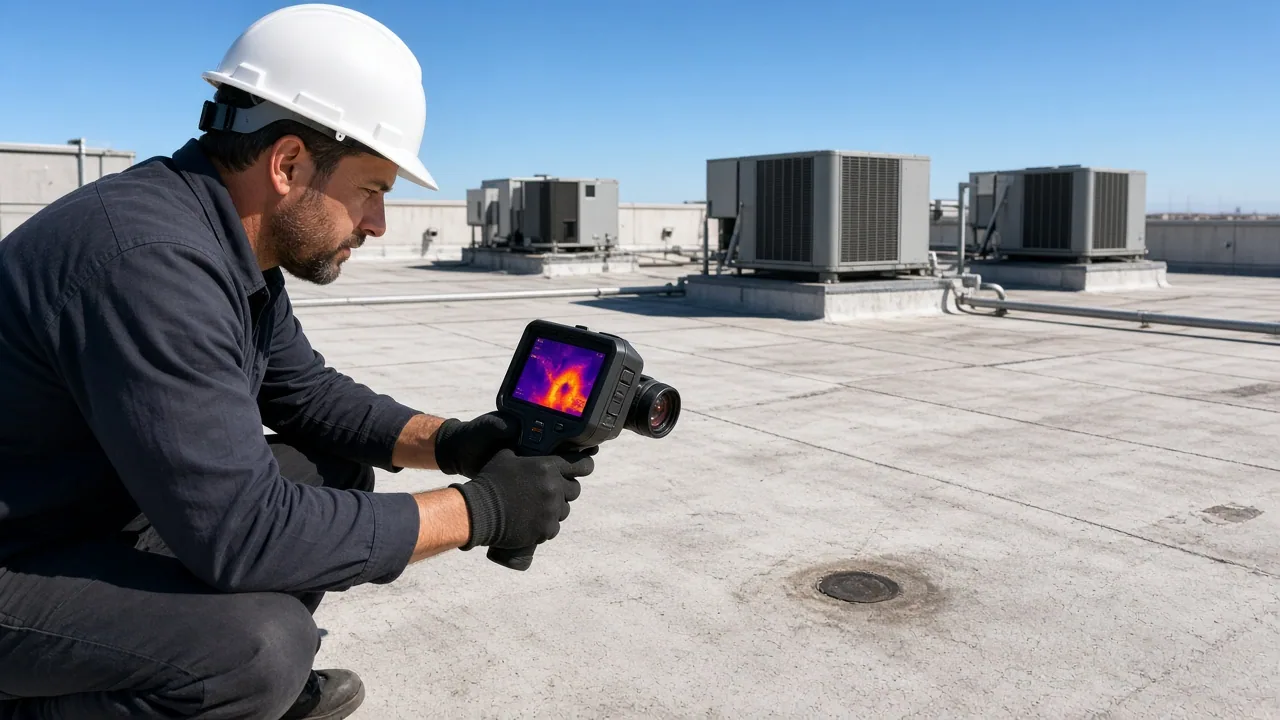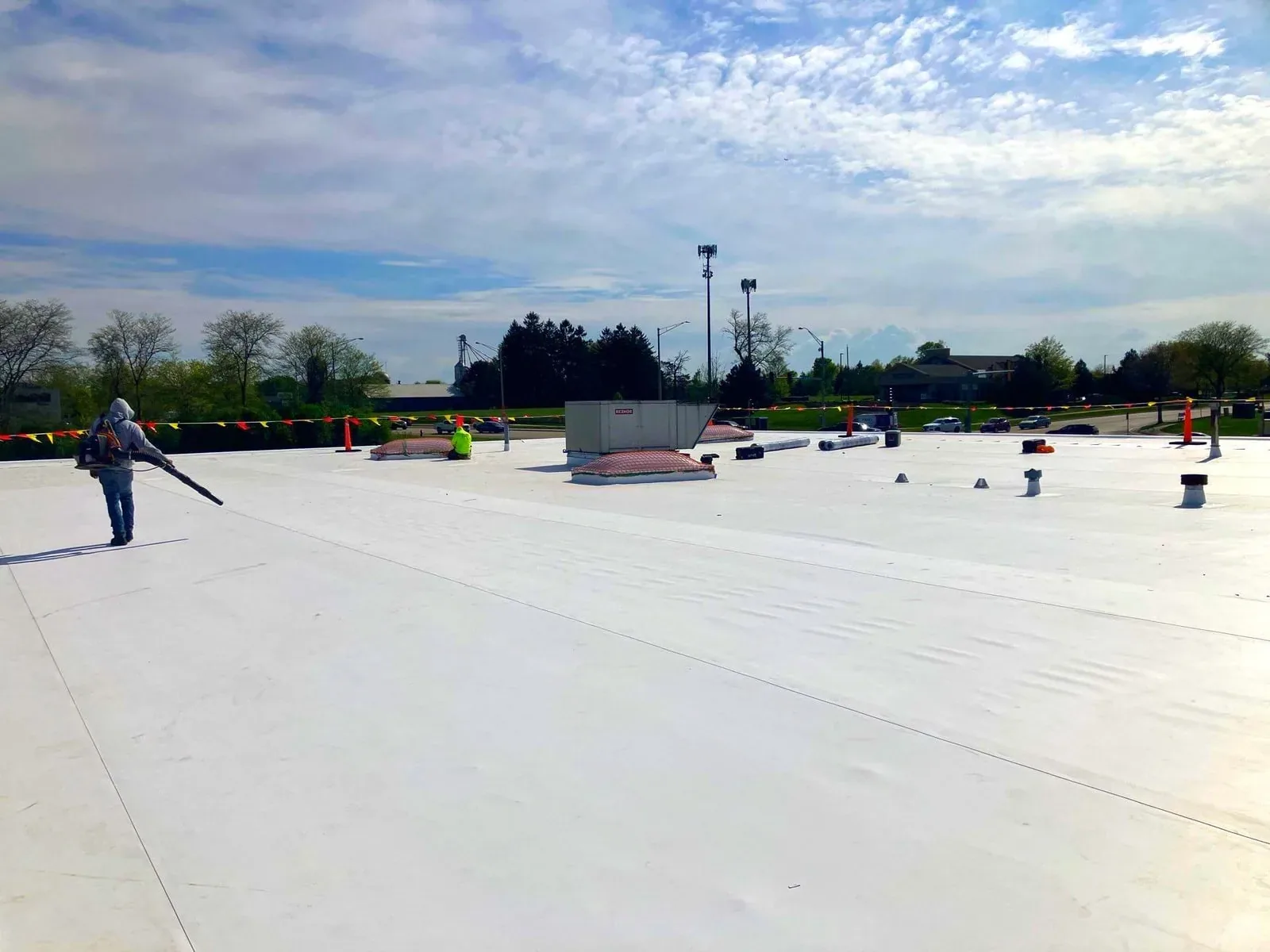
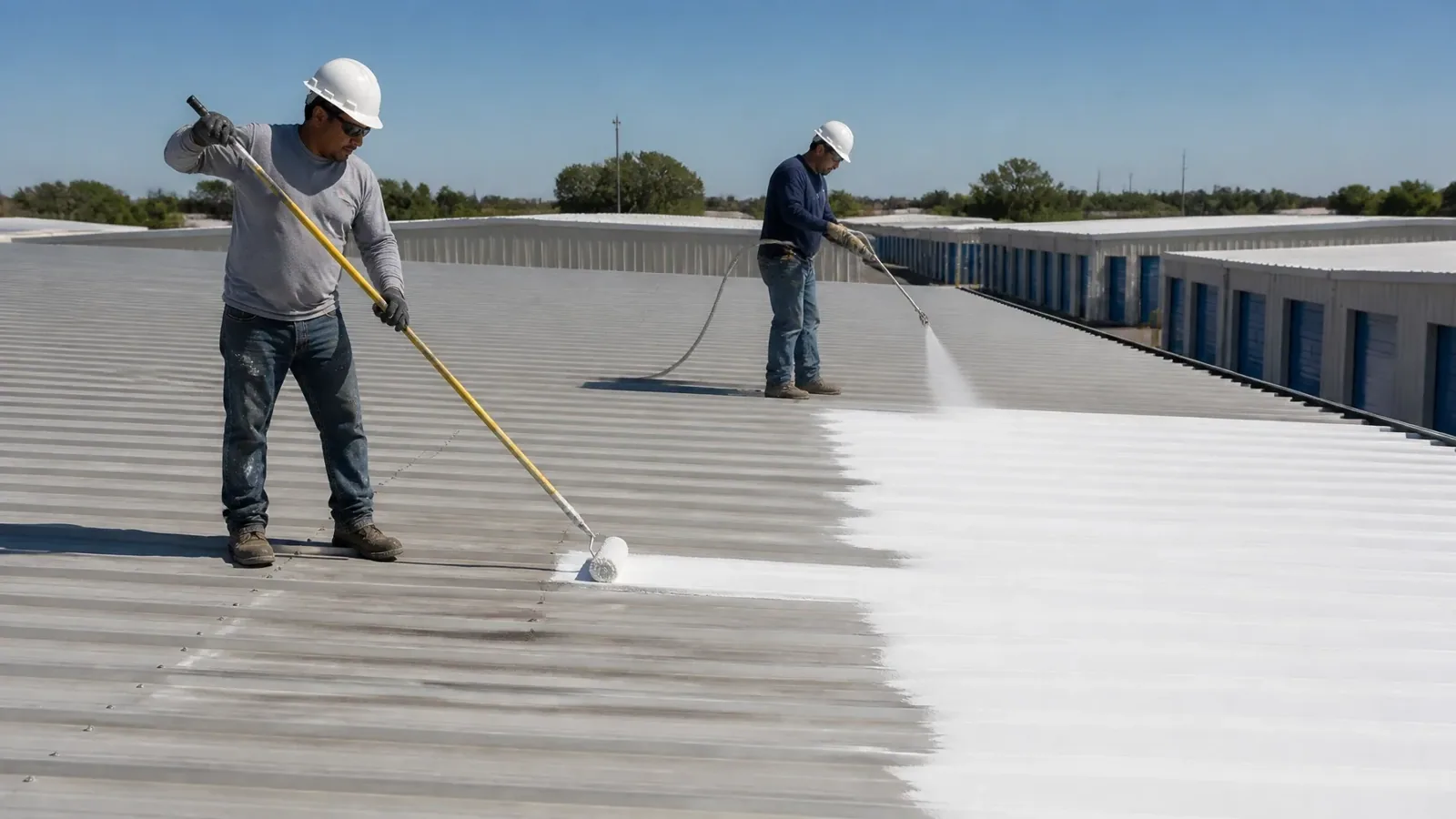
A roof survey for an acquisition starts with the questions that could change the transaction: where water is entering, which areas have prior repairs, and whether the assembly can be identified. We ask the property contact for roof access, available plans, invoices, warranty files, and any active interior reports. The inspection then maps roof zones, visible systems, drainage, edges, penetrations, and restrictions. Findings are separated into observed conditions, supplied records, and items that need confirmation, giving buyer, lender, and facility teams a common review point.
City approvals place proposed industrial projects in three named areas: Foxborough Industrial Park, Southern California Logistics Airport, and zoned parcels around Mojave Drive and U.S. 395. Those approvals concern development plans rather than completed inventory, so we inspect the subject property in place and tie findings to the asset under review. For the property under review, we inspect the roof in place and state what remains unknown. A photo-based condition report can support the transaction file, while capital timing analysis can place verified repairs and renewal options in the ownership discussion.
Scope boundary: define the areas and records reviewed
Before the visit, we identify the buildings, roof sections, and decision deadline in scope. We review the documents provided but do not treat a plan sheet, invoice, or warranty label as proof of present condition. On site, we record accessible zones and note locked areas, unsafe routes, overburden, or equipment that limits the view. If the buyer needs concealed conditions confirmed, we identify a test or opening for approval rather than implying the visual survey answered it.
The parcel description and operating records should be checked against the exact building included in the transaction. A planning reference cannot establish whether that structure exists, what it does, or what roof system it has, so we keep the diligence findings tied to the property documents and roof zones actually inspected. We keep the diligence record tied to the exact property documents supplied and the roof zones inspected. A commercial inspection establishes field observations; a moisture survey can identify indications that need confirmation.
Assembly and condition: identify what affects the decision
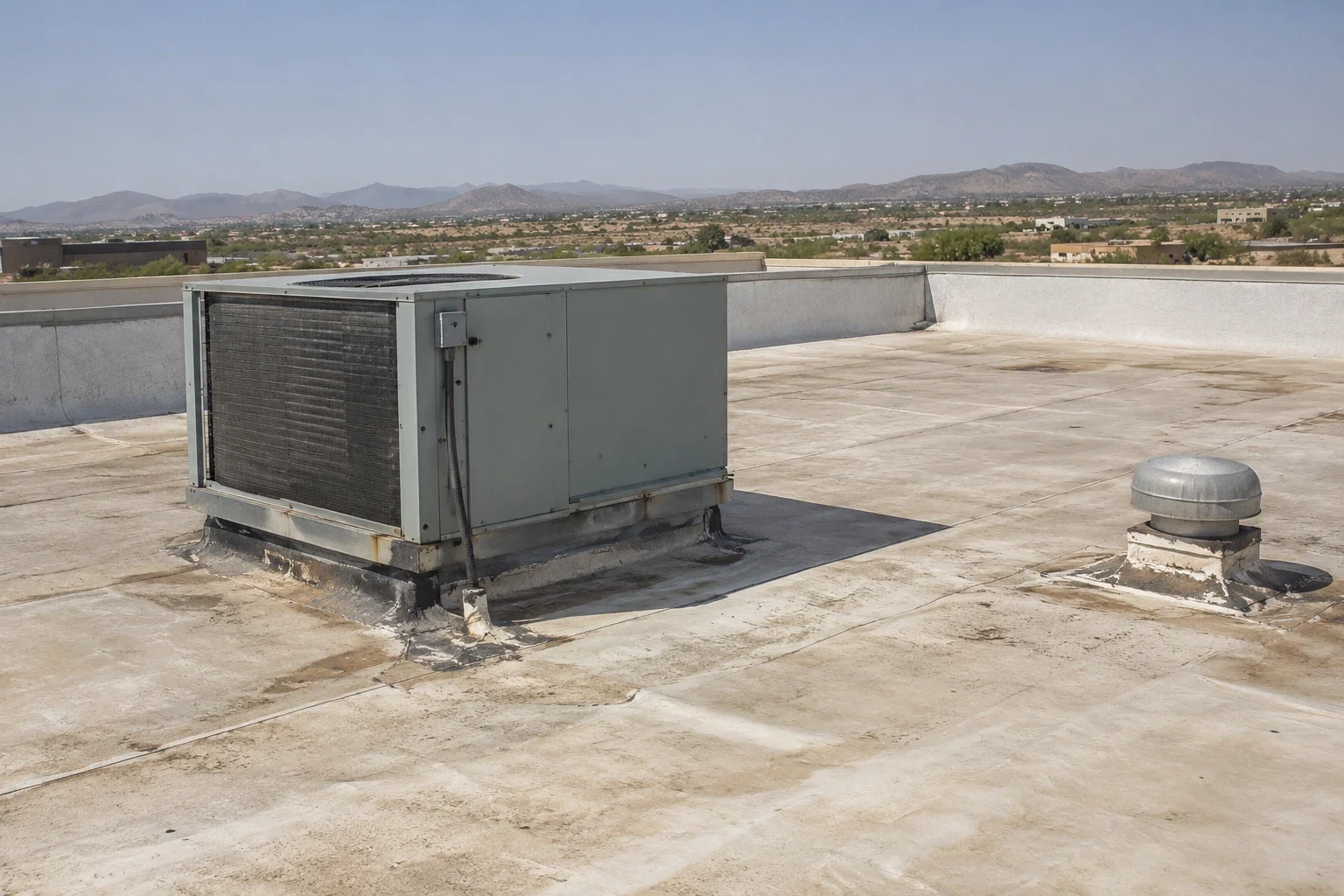
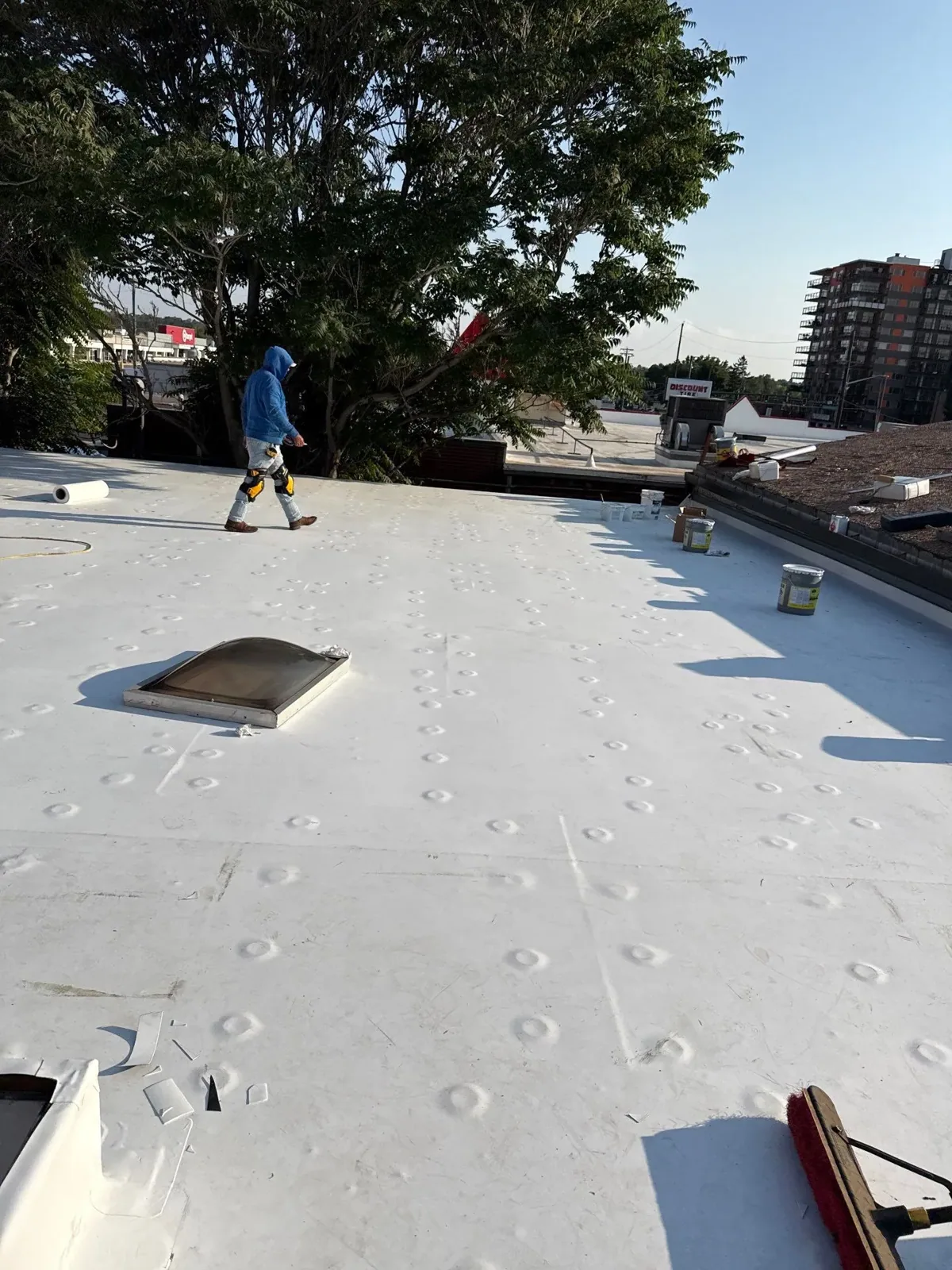
We look at membrane or metal surface, seams, laps, flashings, penetrations, drain routes, edges, visible repairs, insulation clues, and deck exposure where accessible. The report states whether system identification is confirmed or provisional and whether layers below the surface remain unknown. We connect each issue to a roof zone, photograph, interior report, and possible action, so a buyer can see where repair, testing, or replacement belongs in the discussion.
At the National Weather Service George AFB/Victorville station, the 1980 to 1990 summary lists July mean highs of 97 degrees and August mean highs of 95 degrees. That context makes exposed sealants and rooftop transitions useful inspection points, but age and condition still come from this roof. If seams or flashing show a concern, we list the evidence and avoid treating a broad climate record as a property defect. A flashing review can clarify a localized concern; a system compatibility review belongs only after the assembly is identified.
Water and moisture: distinguish a stain from the roof path
For each leak history, we record the interior location, reported timing, affected operation, and any protection already in place. At the roof, we trace from nearby drains, seams, curbs, and perimeter conditions rather than assuming the entry point sits directly above the stain. Moisture indications are mapped separately from confirmed wet material. If an opening is needed to understand insulation or deck, the report states the location and approval needed.
The city page's drain sizing rainfall input can help frame drainage design questions, but it is not a field test of an outlet. We inspect accessible strainers, bowls, connections, surrounding slopes, and evidence of water retention. Near the Eastern Bear Valley Road Corridor and I-15 commercial focus area, operating schedules may affect access for an occupied property, while the specific roof determines the actual scope. A drain assessment can address outlet conditions, and replacement planning can follow if evidence shows the assembly needs broader work.
Transaction readout: separate costs from conditions
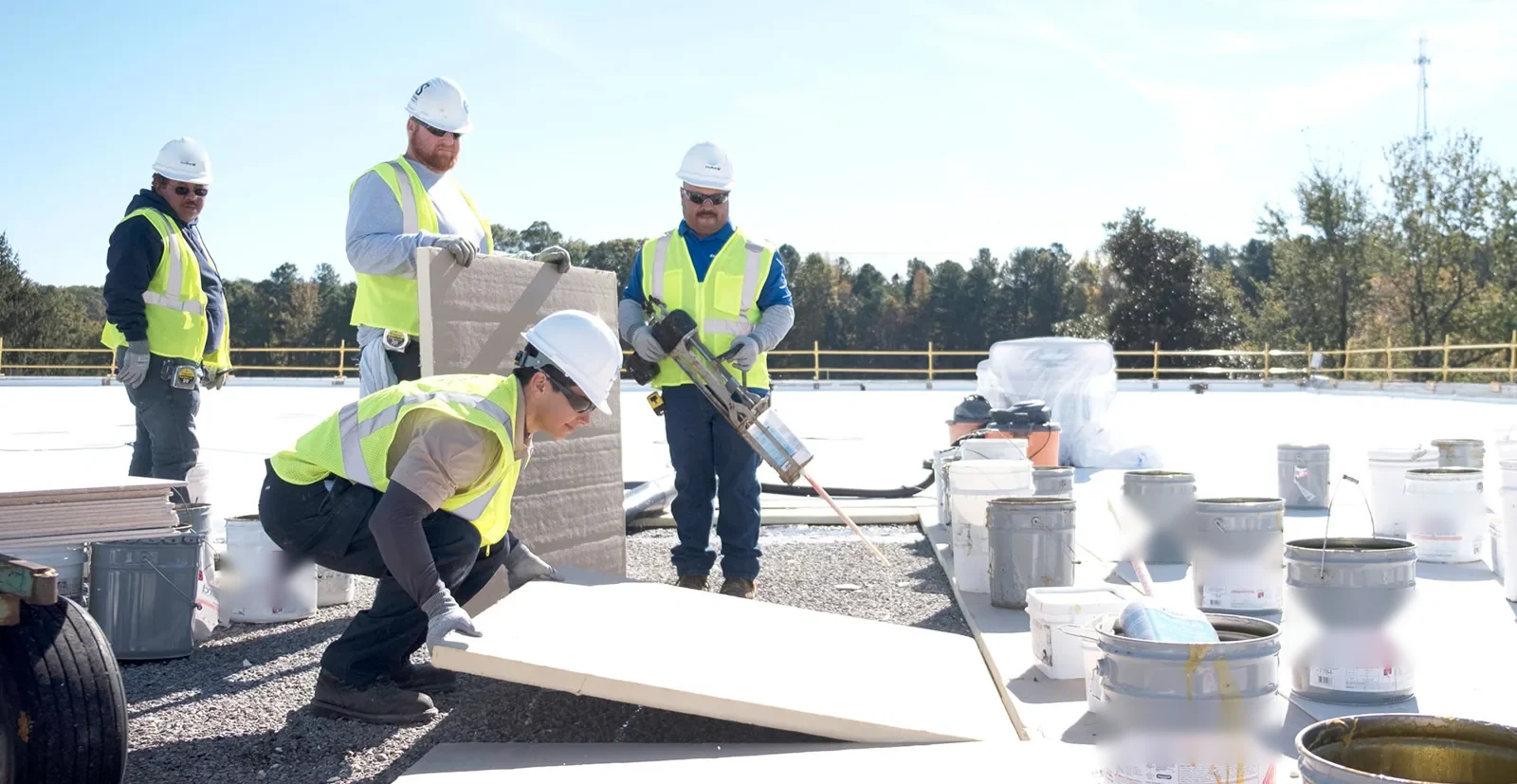
The report closes with condition observations, urgent protection, recommended repair, items needing further study, and questions for ownership or the design professional. We can identify cost drivers such as tear-off, insulation replacement, edge metal, drain work, access, occupied operations, and required tie-ins, without inventing a price before the scope is defined. A buyer or lender can then request a proposal or allocate diligence time to the unknown that matters most.
Victorville's Land Use Element describes regional and local commercial uses at Bear Valley Road and I-15. That corridor is a useful location reference, not evidence that a subject asset shares any system or condition with nearby properties. We include it only when relevant to where the property sits and how access works. The final record can be retained with the acquisition documents and updated after closing, with each recommendation tied to its own roof zone and next step.
Closing review: turn findings into a handoff
Before the transaction file closes, we review open questions with the buyer's representative and facility contact. They can confirm which roof areas were accessible, who holds original warranty records, whether a second visit is needed, and what work needs early approval. We do not convert a visual survey into a warranty opinion, code certification, or forecast of future performance. The report provides the evidence and decision points for the responsible parties to review.
If the property includes several buildings, the files stay separate even when a portfolio summary is useful. We retain distinct photos, records, and observations by site and roof zone. A clear handoff lets the new manager distinguish active repair from scheduled capital work and arrange a first post-close inspection where needed. The next work sequence can then be coordinated around site access and ongoing operations.
Commercial Roofing Questions
What can a roof due diligence survey confirm?
It can document accessible roof areas, visible conditions, reported leak locations, repair clues, drainage, and items that need additional testing. We identify the scope boundary and separate direct observations from supplied records. Concealed moisture, structural capacity, or warranty status may require another method or a separate review before a transaction decision relies on it.
Can the survey give a remaining-life number?
We do not assign a precise service-life figure from a walkover. The report describes current condition, repair history available for review, visible assembly, and factors that affect the next decision. If the owner needs a planning range, we can state the assumptions and evidence behind it, then flag what inspection or opening would narrow the range.
Will the report include estimated repair costs?
We can identify likely cost drivers and prepare a separate scope after the work area and method are established. Tear-off, wet insulation, access, flashing, drainage, staging, and operations can change the price. A visual finding alone should not be presented as a firm repair amount when the assembly or concealed conditions remain unresolved.
What should a buyer arrange before the site visit?
Provide the building list, roof access contact, available plans, prior reports, repair invoices, warranty papers, and known leak history. Identify the transaction deadline and any areas the facility cannot open during operating hours. We can then focus inspection time on the zones and questions most likely to affect the review.
Can a survey cover several Victorville properties at once?
Yes, if each building is given its own access, findings, photo set, and roof-zone references. A portfolio summary can compare urgent issues and open diligence questions, but it should not blend conditions from one property into another. We identify which roof needs immediate attention and which requires more evidence before an owner makes a capital decision.