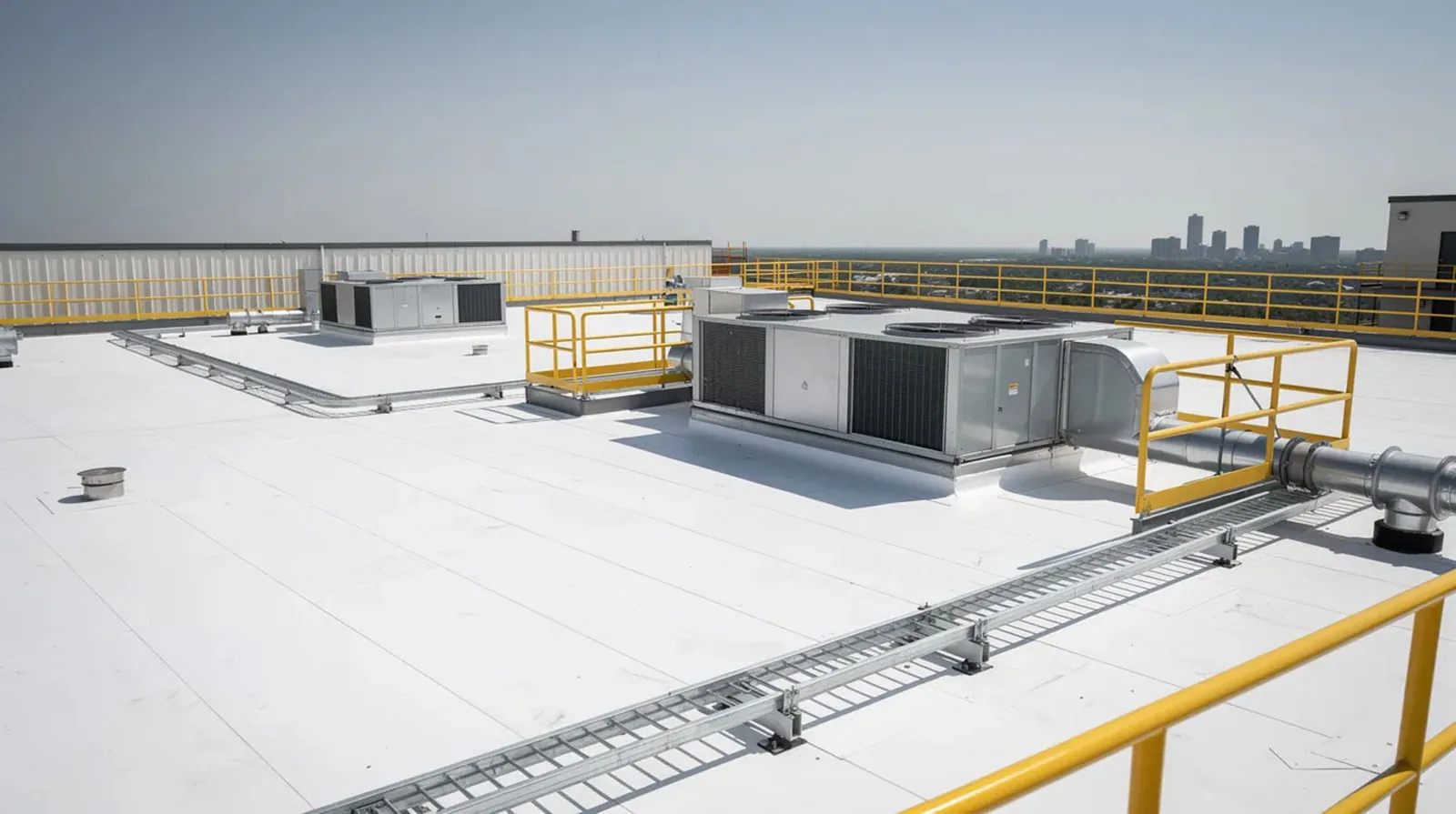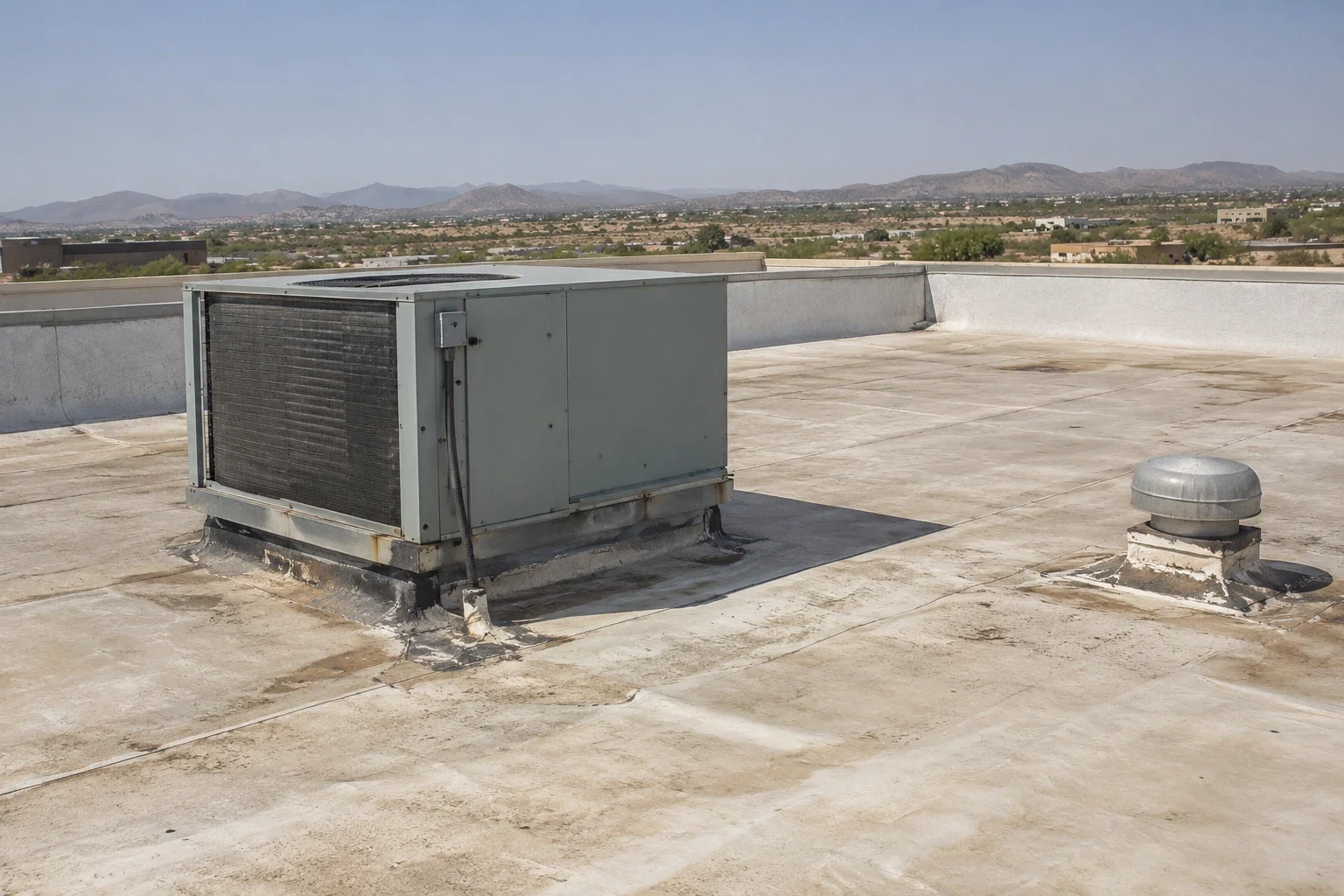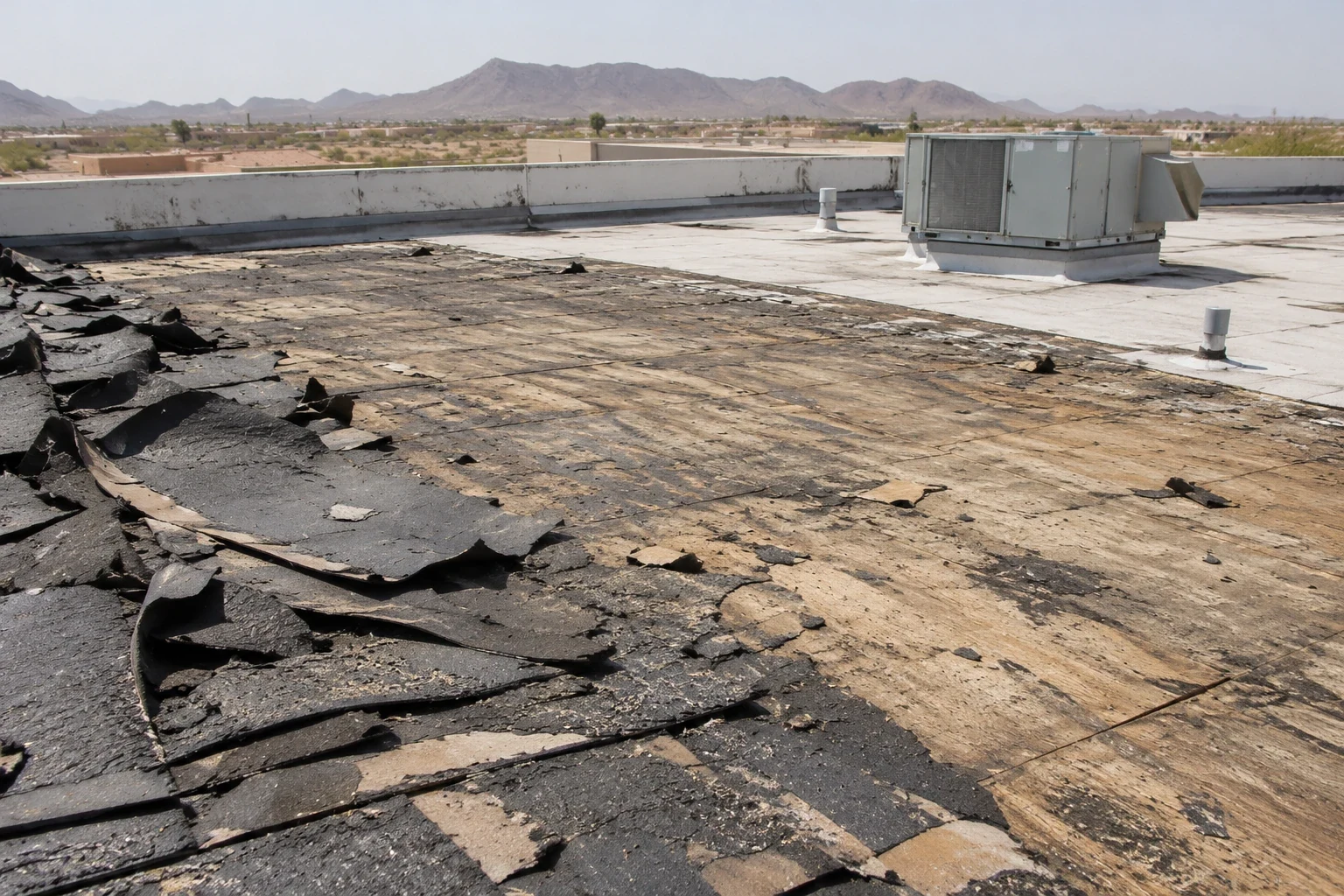
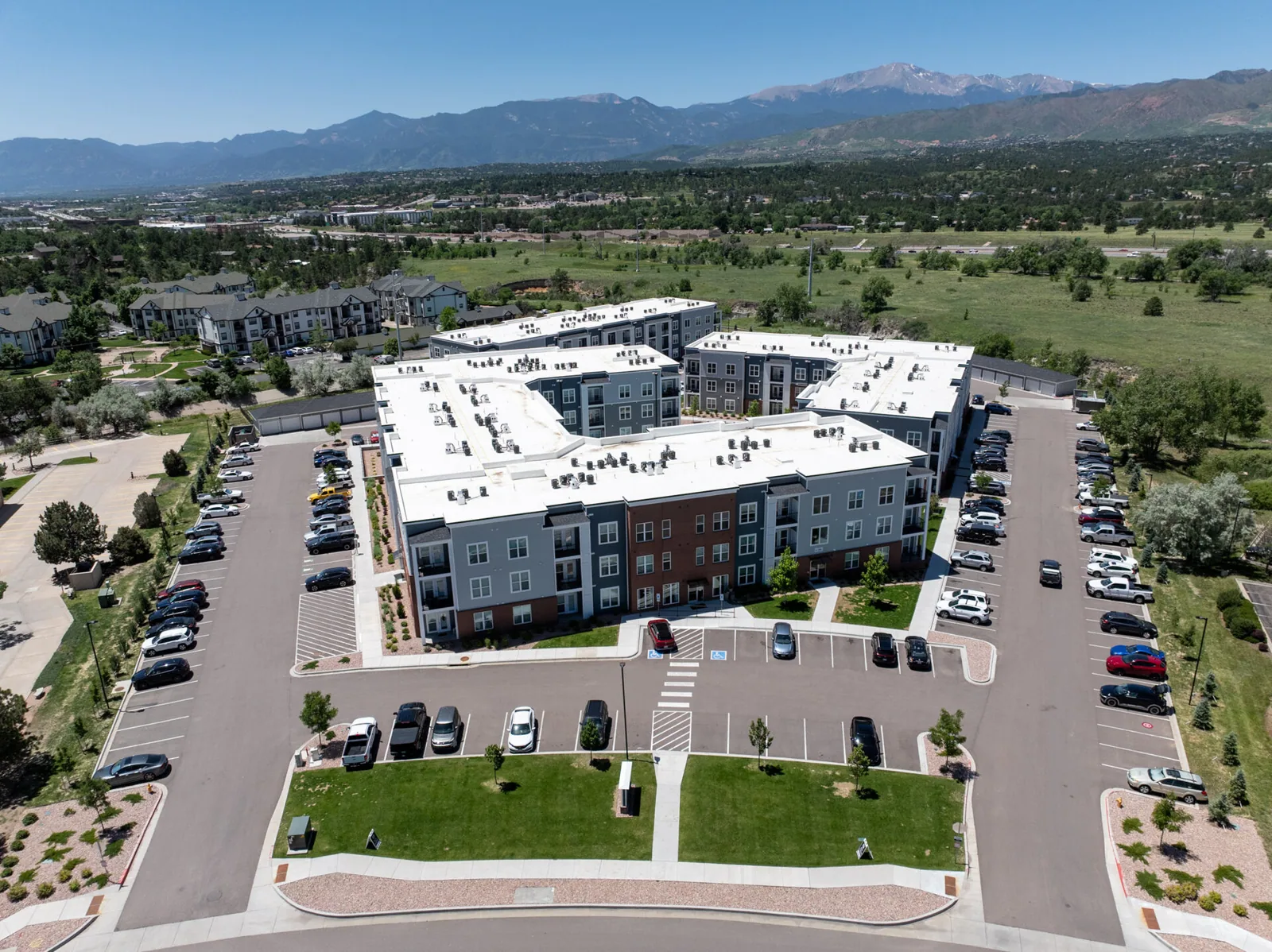
A multi-site program works when the owner can see which building needs action without losing the differences between its roofs. We begin with the property list, active leak reports, facility contacts, access limits, and the decisions already on the table. Each site receives its own roof zones, photo set, observed assembly, repair history, and open questions. A shared summary can then show urgent protection, inspections, maintenance, and capital items while keeping each recommendation tied to the building where it belongs.
Victorville's planned industrial projects include Foxborough Industrial Park, Southern California Logistics Airport, and industrial-zoned land east of U.S. 395 near Mojave Drive. Those approvals describe planned development, not an inventory of operating properties. For each active site in a portfolio, our crew verifies access and roof condition directly. A roof asset register keeps site records consistent, and photo condition reports give ownership a common basis for review.
Site intake: establish one contact and one record per building
We collect the building name used by ownership, location, facility contact, access process, operating hours, known roof system, and current concern. If a site has several buildings, each receives its own record and access plan. We note whether a tenant, security desk, or maintenance lead controls the roof key, and we keep those operational details with the scope so a crew does not arrive without a usable access window.
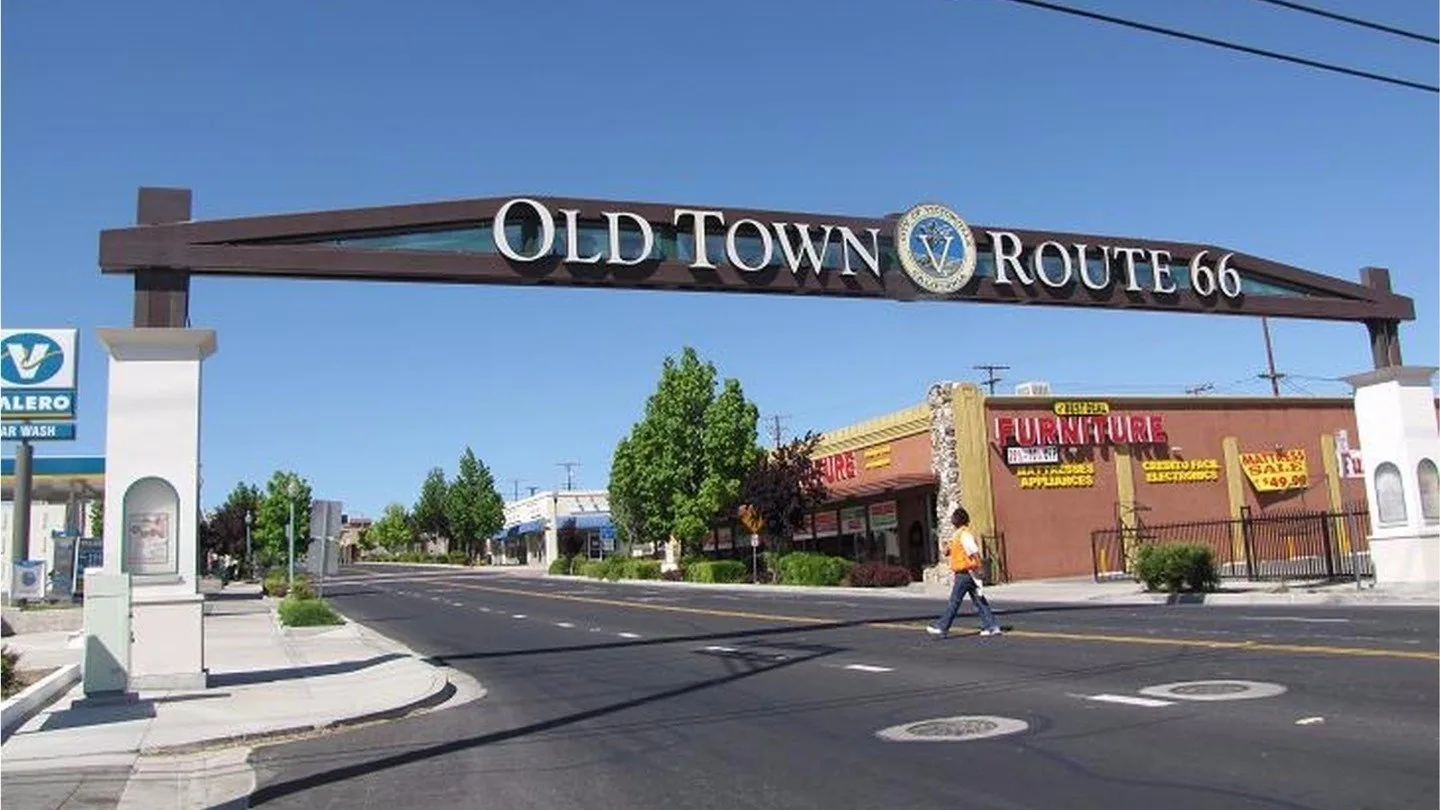
The Old Town Victorville plan sets commercial services among residential blocks, light-industrial parcels, and open land. A portfolio that includes Old Town buildings and properties near the Bear Valley Road commercial focus area may have different delivery periods and occupied spaces. The city plans describe the districts, not the schedule of an individual facility. We confirm each site's actual hours with the contact and link its record to the Old Town Victorville service area when that location is relevant.
Priority board: separate make-safe from planned work
The shared review lists active water entry, exposed materials, interior impacts, loose edge metal, blocked drain routes, and locations awaiting further testing. A leak over electrical equipment or an occupied suite may need immediate protection. A coating question without active entry can remain in a scheduled inspection queue. We explain why a site has priority and what the facility contact should authorize next, instead of giving every building the same response window.
Victorville's historical profile at the George AFB station places mean summer maximums at 97 degrees in July and 95 in August across its 1980 to 1990 observation period. That heat context can put exposed seams and rooftop transitions on the inspection list, but it cannot rank two roofs without field evidence. We compare observed condition and building impact. A site inspection establishes the priority basis, while a maintenance visit can keep stable roofs in a separate recurring plan.
Work coordination: plan crews around access and operations
We coordinate one work sequence per property, even when several roofs share an ownership group. The scope identifies material staging, roof access, protection below, tenant notification, and any noisy or restricted work periods. For an occupied facility, we divide the roof into work zones and confirm how temporary protection will be maintained at the end of each shift. A facility contact receives an update when the planned sequence or discovered condition changes.
Near the Bear Valley Road and I-15 focus area, city planning materials describe a concentration of regional and local commercial uses, including retail and restaurants. A property in that commercial district may have delivery activity or public entrances that affect staging. We ask each facility contact what is operating under the roof and how access is managed. If evidence calls for broader work, a phased re-roof sequence can be evaluated separately from replacement scopes at other properties.
Common standards: compare without flattening roof differences
Shared reporting terms help an owner compare sites, but the categories should not imply the roofs are equal. We use consistent labels for active leak, repair, moisture indication, maintenance, and capital review, then add the system and details found at each building. If two roofs have different membranes, layers, drains, and access, their scopes stay distinct. A summary identifies common patterns while retaining the evidence and limitations for every site.
Victorville's code page lists a drain sizing rainfall input for local design review. We can include that reference where drainage questions recur across the portfolio, while field inspection checks actual outlets and water routes at each property. A TPO system assessment applies only where the roof is confirmed as TPO. For ownership groups, portfolio coordination can align reporting cadence and approvals without transferring a condition from one property to another.
Capital review: carry evidence into the next budget cycle
At the owner review, we group recommendations by decision date and evidence need. Immediate protection, repair, moisture confirmation, restoration review, and replacement are listed separately so the owner can approve a defined next step. We identify cost drivers such as access, tear-off, insulation, drains, edge metal, phasing, and occupied operations, then update the recommendation when inspection evidence changes. The review does not turn a condition category into an unsupported roof-life promise.
When capital approval is pending, the record keeps completed work, open repairs, and the next return visit visible. Owners can then compare several buildings while maintaining separate scopes and contacts. Capital planning can carry the priority list into the budget cycle, and a replacement evaluation can start at the sites where inspection supports that discussion. The program closes with a named next action for each building, not one generic portfolio recommendation. We record the approving contact, access dependency, and follow-up date so a recommendation does not disappear between the inspection and the owner meeting.
Commercial Roofing Questions
Can one inspection program cover several Victorville buildings?
Yes. We coordinate access and reporting across the list while keeping each building's inspection, photos, roof zones, and recommendations separate. A shared review can flag which site needs an immediate visit and which can stay in a planned maintenance cycle. The properties are compared through consistent observations, not assumed to share one roof type or condition.
How do you decide which site receives attention first?
Active water entry, safety exposure, interior impact, and vulnerable equipment can move a site forward. We confirm those reports with a roof inspection and tell ownership what needs temporary protection, repair, or additional testing. A stable condition without an active impact may remain in a scheduled review, with its next inspection date recorded.
Will the owner receive one report or a report for each property?
Each property receives its own findings and photo references, with a summary for the portfolio decision. That split helps management review priority, access, budget, and open questions without losing which roof zone supports each recommendation. If a building has multiple structures, we identify them separately inside its site record.
What information helps coordinate the first visit?
Provide the property list, facility contacts, roof-access process, operating windows, active leak reports, and any available inspection or warranty files. If an area has security restrictions or a tenant-controlled key, note who can authorize entry. We can then sequence the visits around real access rather than assuming each property is available at the same time.
How does the program help with capital approvals?
It ties each proposed action to current field evidence, the affected operation, and the cost drivers that change the work. We separate repair from investigation and replacement, then show what new finding would alter the timing. Ownership can review priorities together while approving a defined scope for one property at a time.