A roof item enters an acquisition or asset review as a condition to understand, not a line that can be priced from a listing photograph. We start with the building, the reported roof zone, any activity affected below, and the contact who can arrange access. In Victorville, planning materials discuss development near Foxborough Industrial Park and east of U.S. Highway 395 north of Mojave Drive; those plans describe approvals, not completed properties or roof systems. We inspect the actual assembly, document its visible condition, and separate near-term repair from capital work.
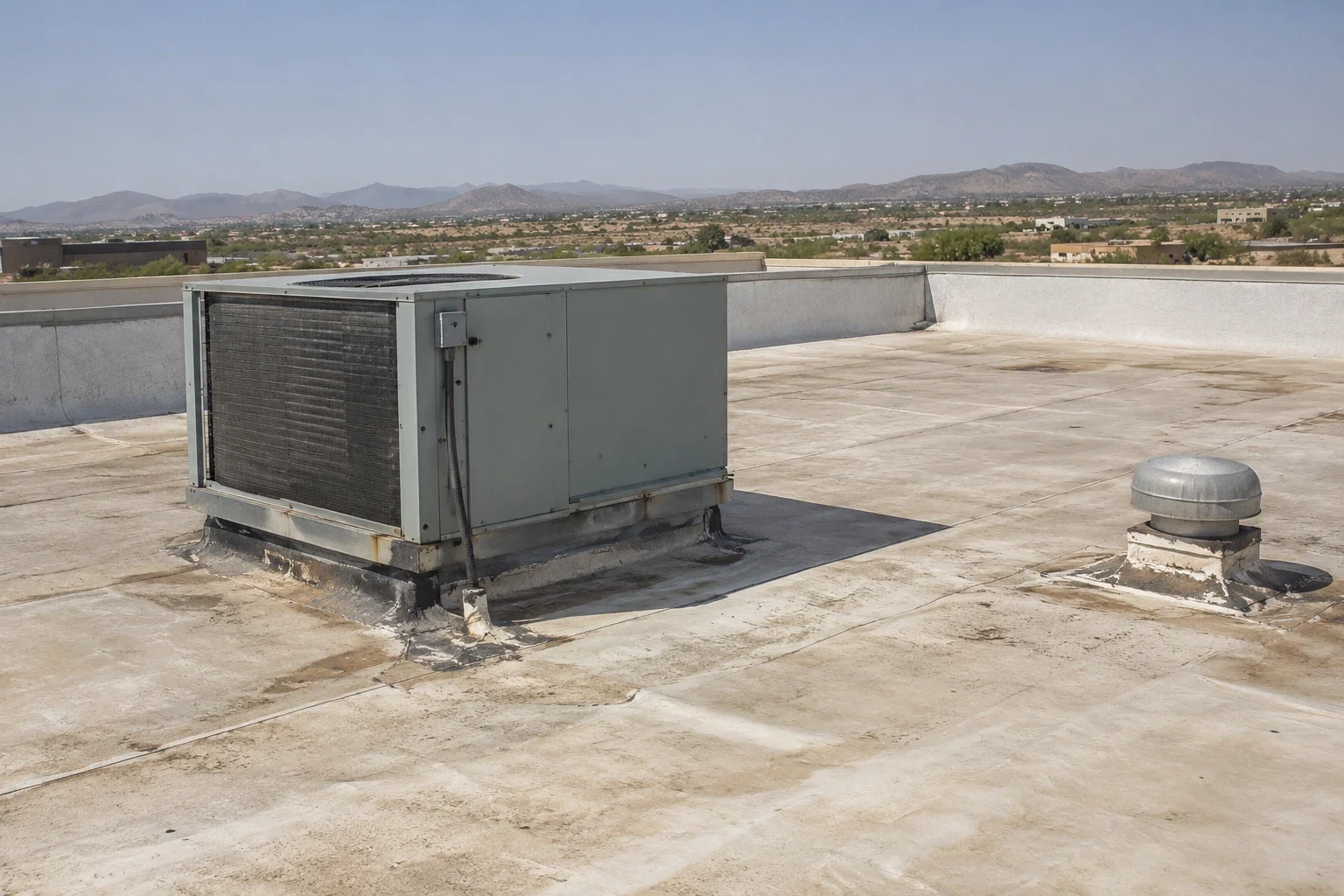
Our survey can trace seams, flashings, drains, penetrations, edge metal, and prior repairs, with test openings or infrared review where the scope calls for them. The resulting due diligence roof survey gives an ownership team a record to compare with leases and operating plans. Each finding stays attached to a building and roof zone.
Define the inspection boundary
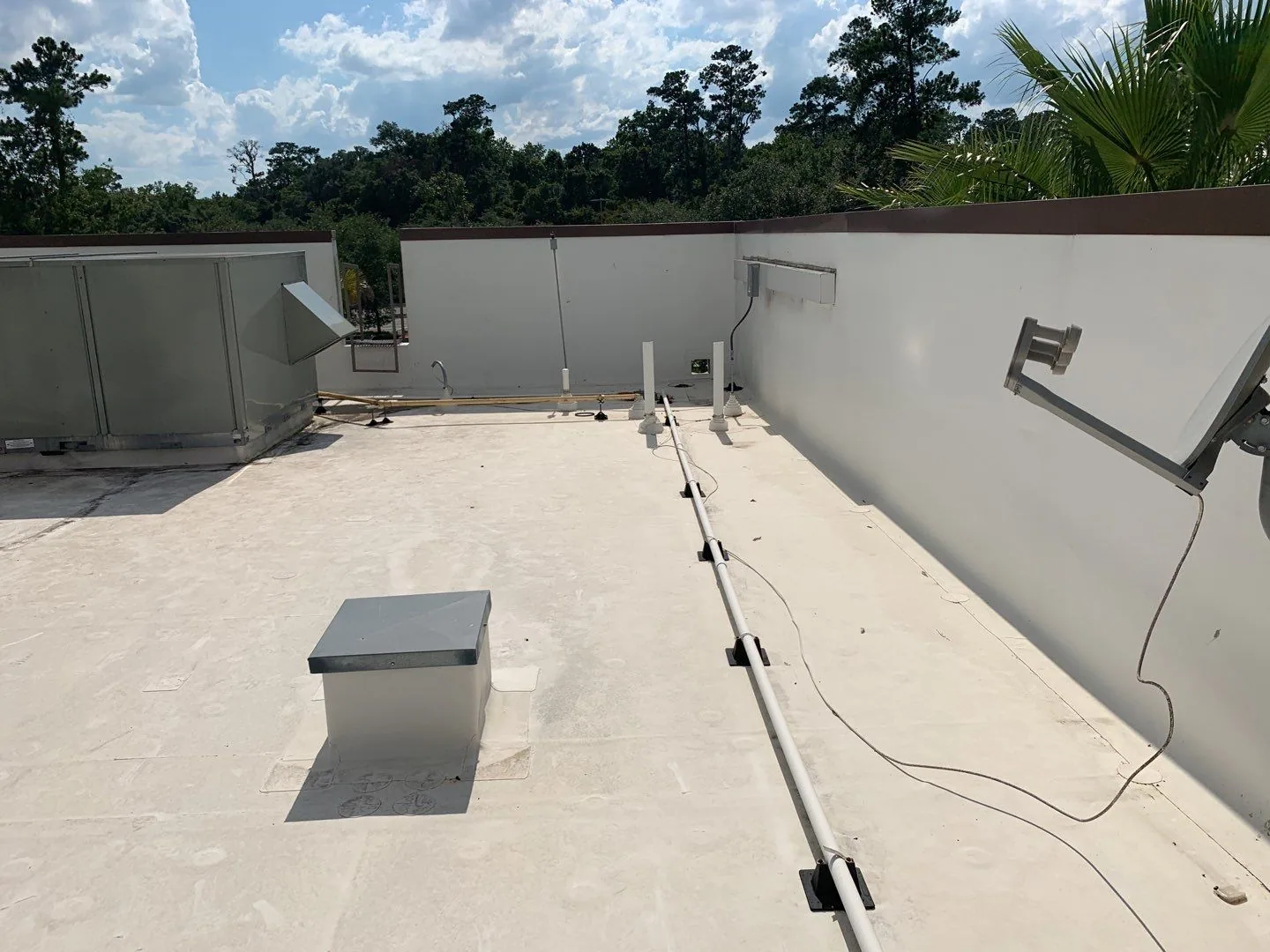
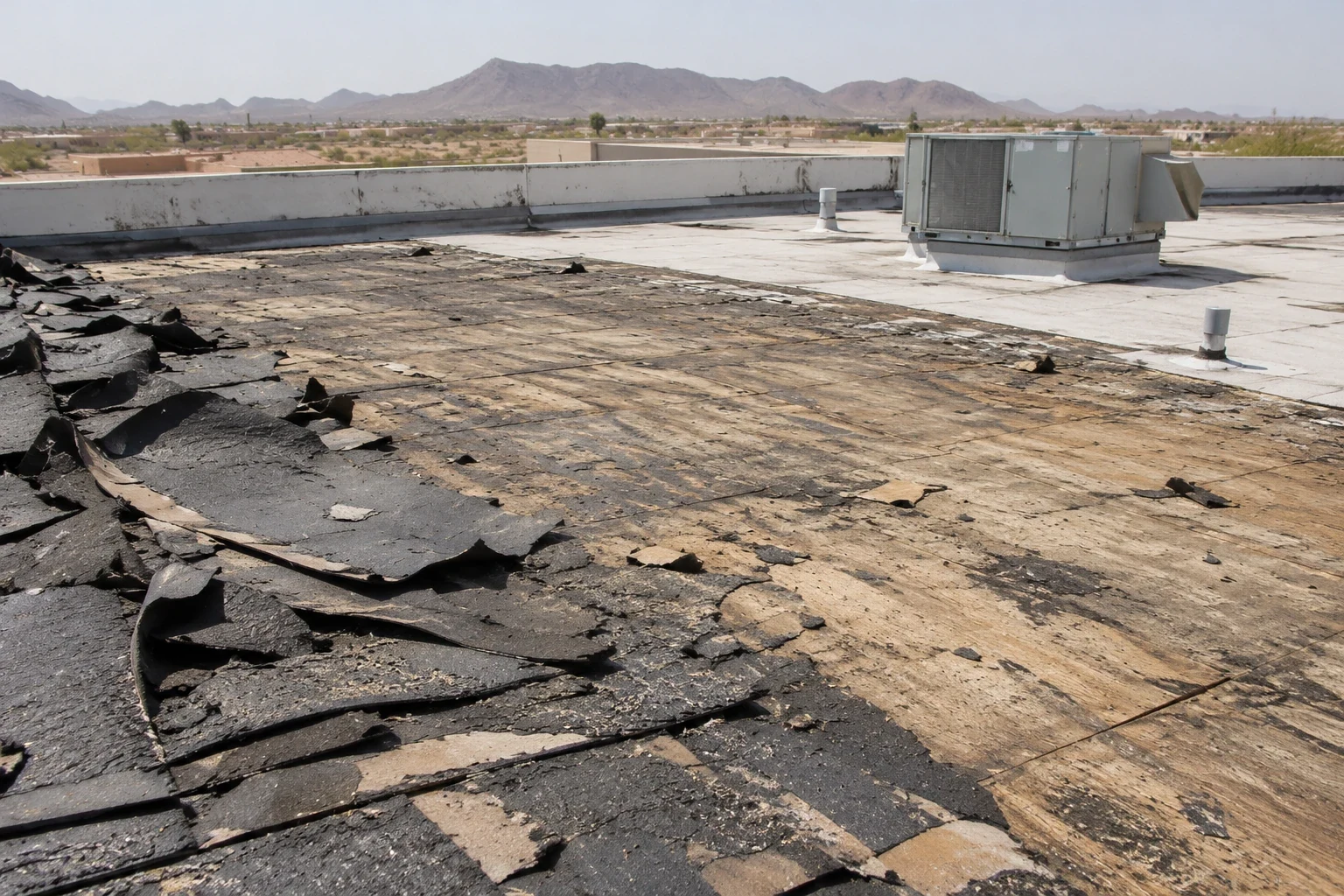
Before the visit, we confirm which roof areas are included, what access is available, and whether the review is visual, includes testing, or addresses a known leak. A roof survey cannot establish hidden deck or insulation conditions without an opening, and the report should say what was and was not examined. We photograph details at curbs, penetrations, walls, drains, and edges, then connect each image to a roof plan or identifiable zone. The investor can see where an observed defect sits and whether additional investigation is needed before closing.
For asset review, Victorville's code references climate zone 14 and makes wind criteria dependent on both the building's use and its exposure. Those references inform project review, but they do not establish how a particular roof was designed or maintained. We compare visible edge attachment and assembly details with available plans and project records, identifying questions that may need an engineer or further testing. A condition report keeps findings, repair history, and open items together rather than reducing the asset to a single condition label.
Put repair exposure in context
A small puncture, open seam, or failed flashing may support a bounded repair when nearby membrane and insulation are sound. Multiple wet areas, recurring interior reports, or repairs that cross separate roof zones may change the recommendation. We identify what is visible, what testing confirms, and what would require a larger opening. The owner can then compare a targeted repair with a recover or replacement scope that includes removal, deck review, insulation, drainage, and termination details. This is a building-specific choice, not a percentage guessed from roof age.
Victorville’s city plan identifies commercial and regional-serving activity near Bear Valley Road and I-15, with mixed-use areas also mapped around Amethyst Road. These land-use notes do not establish an individual building’s tenant or roof use. They do help an asset team frame access and delivery questions for the facility contact. If inspection reveals wet insulation, the infrared moisture survey or selective test cuts can map where removal may be needed; a defined repair scope addresses conditions that remain localized.
Compare the next capital step
Replacement planning should state the existing layers, proposed removal depth, cover board or insulation changes, perimeter and penetration details, drainage work, and assumptions about concealed conditions. Those items influence schedule, access, disposal, and the scope that can be carried into a bid. A recover can reduce removal only when the deck, moisture condition, existing layers, attachment, and applicable code allow it. We check those conditions and document the basis for either path. If information remains missing, the estimate marks the allowance and the opening needed to resolve it.
For a portfolio, capital timing can be compared without treating every building as identical. A capital plan can group roofs by documented condition, pending investigation, and likely scope while preserving the building-level backup. Where tenants remain in place, a phased reroof sequence can address access, protection, and work zones. The city's planning map assigns a regional commercial role to parcels by the I-15/Bear Valley interchange, but delivery access must be checked at each asset.
Make findings usable after closing
Ownership changes can separate a roof decision from the person who saw the leak or approved a patch. We write the report so a new asset manager can locate each finding, see its evidence, and understand what remains open. That means dated photos, repair locations, inspected boundaries, test results, and any area that could not be reached. If a warranty or maintenance record exists, we note the document reviewed without extending its terms. Keeping project documents and service history together can support the next return visit.
The Old Town Victorville plan covers mixed retail and service overlays alongside light-industrial and residential areas. The variety of listed uses is a reason to confirm each building's occupancy and work rules, not to infer its construction. We can review the building's actual access and operational constraints with the property contact, then schedule a return visit for a test or detail not included in the first scope. The report should distinguish an observed deficiency from a recommendation for further investigation, giving investors a defensible question to resolve before assigning funds.
Carry the operating plan into the work
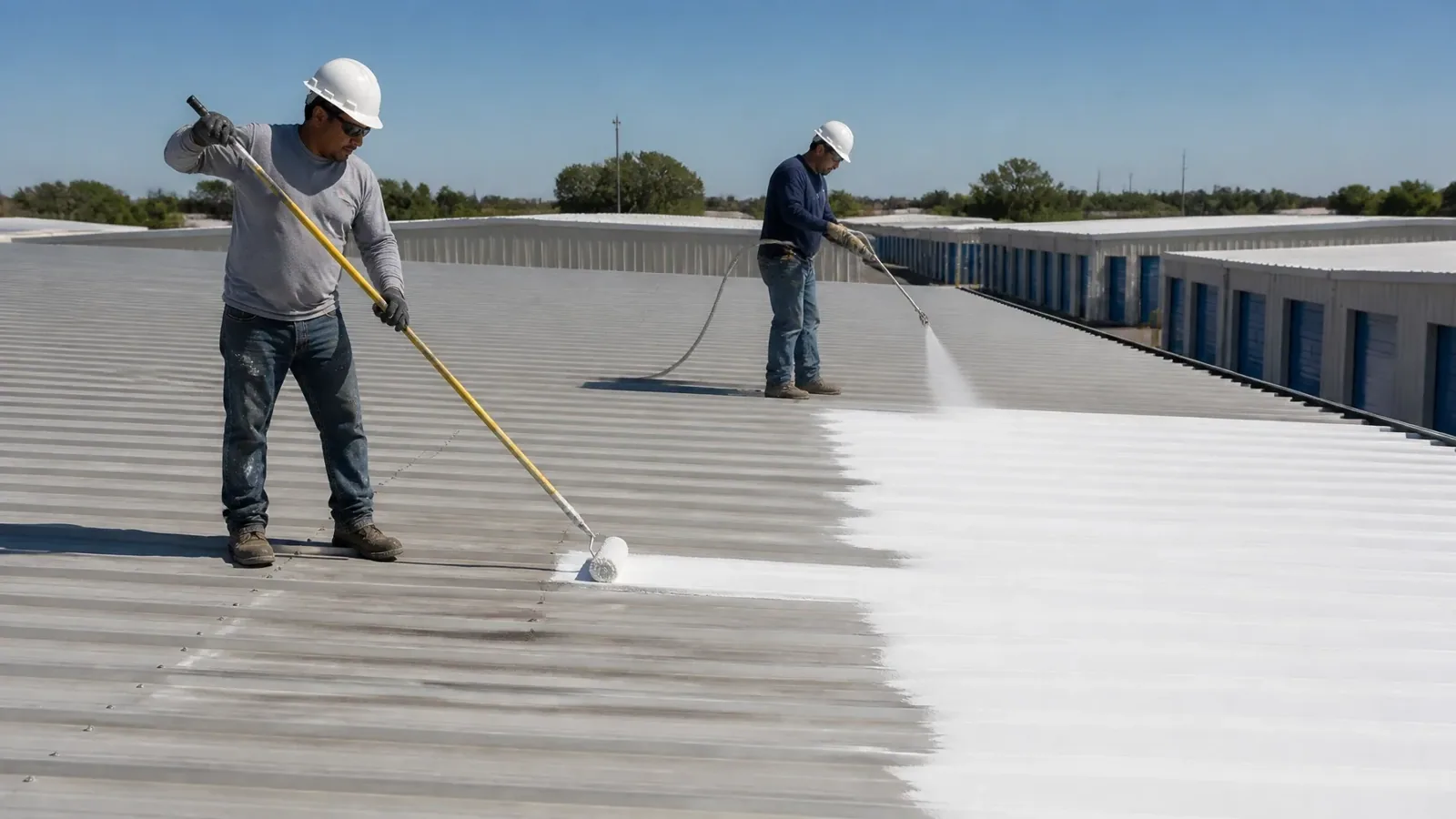
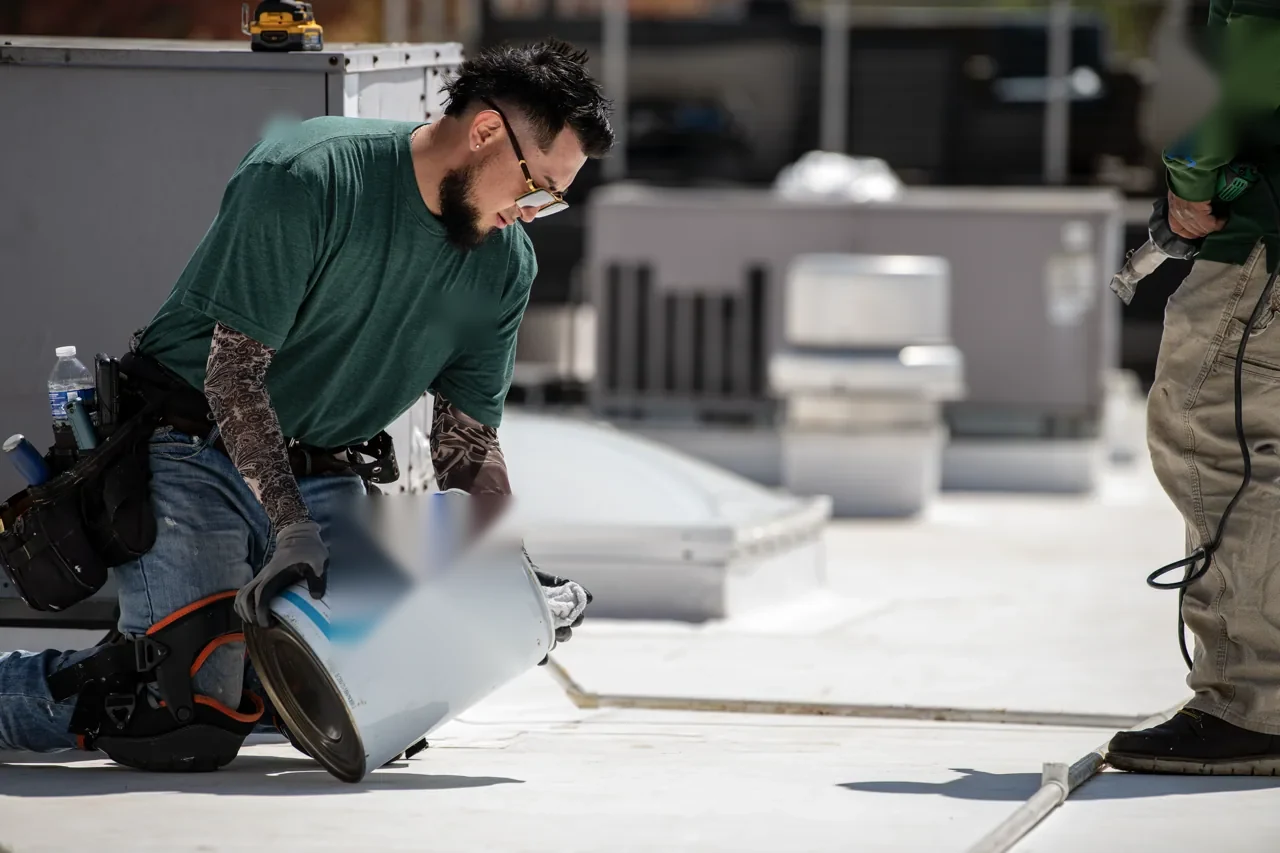
Once ownership selects a scope, the work sequence has to fit roof access, tenant use, deliveries, weather, and any required shutdown. We mark the zone for each shift, protect the interior where needed, and keep drains and temporary tie-ins clear as work advances. The facility contact confirms staging and roof access, while the project record shows what was completed that day and what remains exposed. If the scope changes after a test opening or removal, we document the condition and obtain direction before expanding quantities.
Heat exposure can affect surface temperature, crew conditions, and the usable application window. The George AFB/Victorville station's June 1980-May 1990 climate record puts the average July daily high at 97°F; that historical value cannot substitute for a current forecast. That past record is climate context, not a work-day forecast. We follow current conditions and system instructions, protect stored material, and sequence roof zones accordingly. A replacement assessment can pair those logistics with removal, tie-in, and protection decisions before the owner approves a bid.
Keep the recommendation tied to evidence
A useful investor review ends with choices: repair, test an area, budget a larger project, or monitor a condition with a return date. We explain the evidence supporting each path. A roof report does not replace structural or code review when those questions arise, and one detail photo does not describe every zone. The next step should identify a person, access window, and scope boundary so the asset team can move from observation to a costed plan.
From the Bear Valley Road commercial area to Old Town Victorville and the east side near Highway 395, building records and access conditions are property-specific. Our crews handle commercial roof repair, replacement, recovery, inspection, and maintenance across Victorville. Share the roof zone, decision date, and facility contact. A Victorville commercial roof assessment can document the assembly and remaining questions. We can prepare a scope for operating and capital review. Management teams can compare property manager portfolio records with roof planning for health systems.
Commercial Roofing Questions
Can a roof survey support a property acquisition?
Yes, when its boundary and limits are clear. We document observed conditions, testing performed, inaccessible zones, repairs, and questions that need further investigation before the buyer assigns a scope.
Will a visual inspection reveal wet insulation?
A visual visit can identify clues, but concealed moisture may require infrared review or test cuts. We state the method used and map any areas that remain untested.
How should investors compare recover and replacement?
The comparison should include deck condition, existing layers, moisture, attachment, drainage, flashing height, removal, and code review. We document which conditions support each option.
Can one roof report cover multiple assets?
A portfolio summary can compare properties, but every building needs its own photos, roof zones, assembly notes, and scope boundary. That keeps a finding from being applied to the wrong asset.