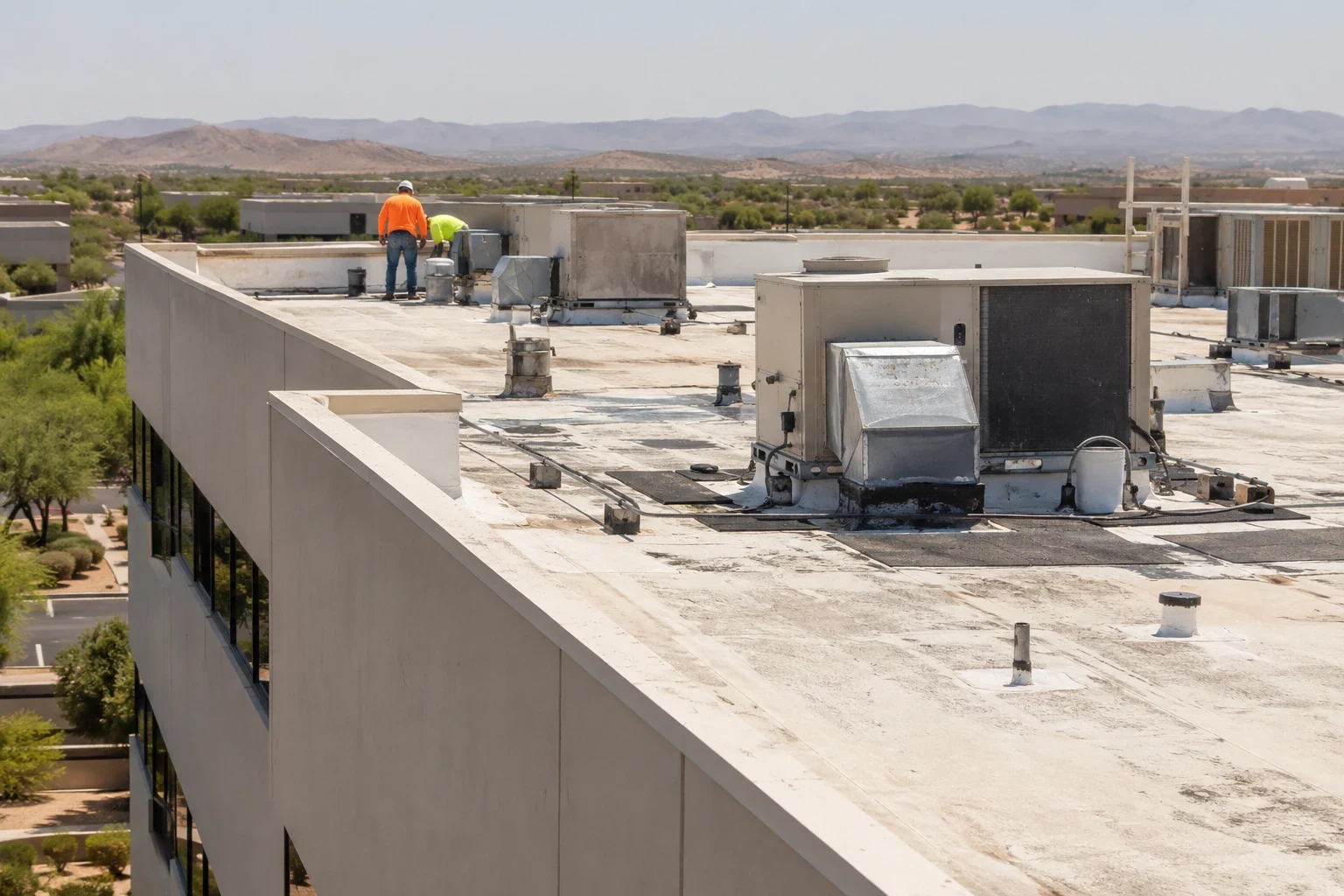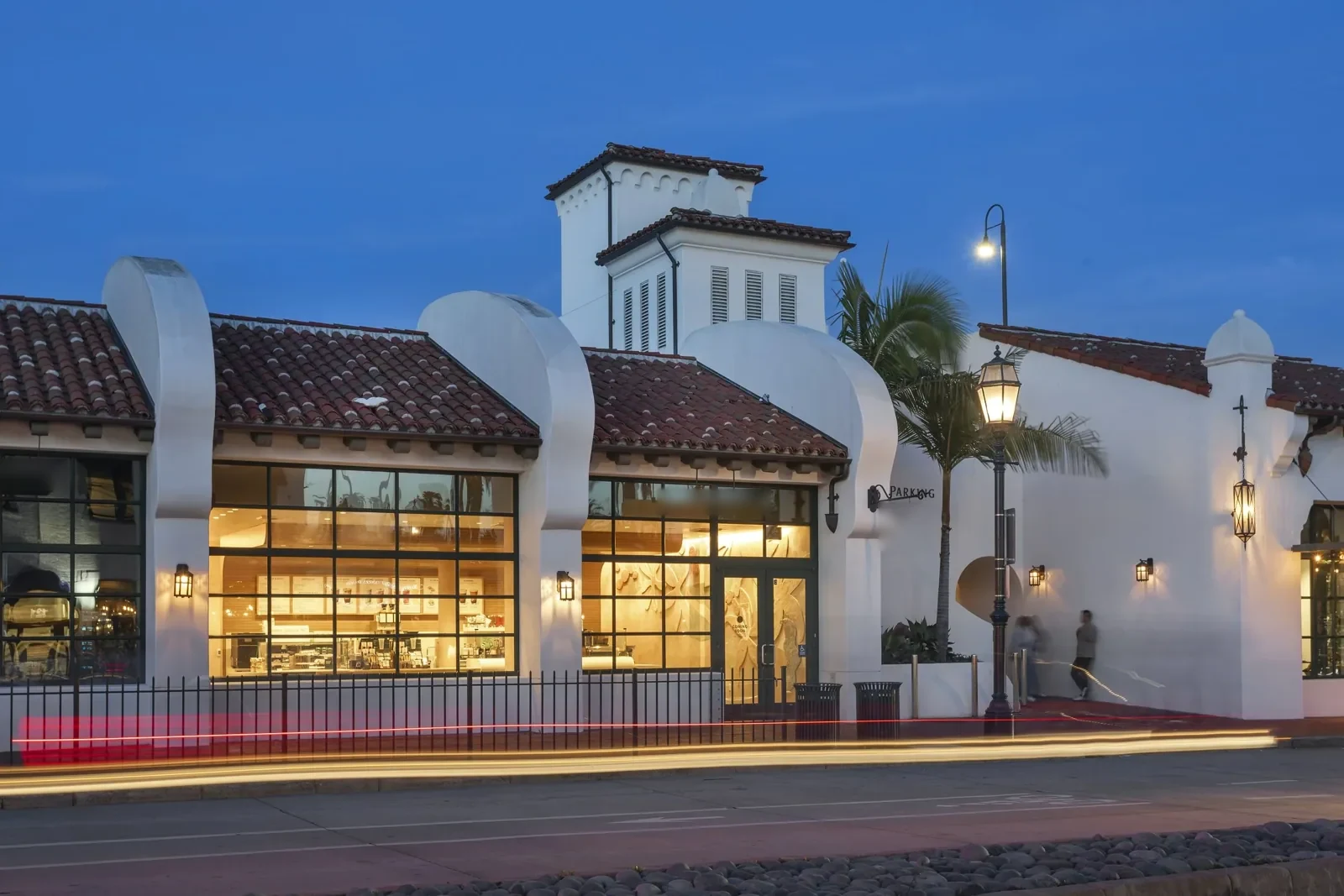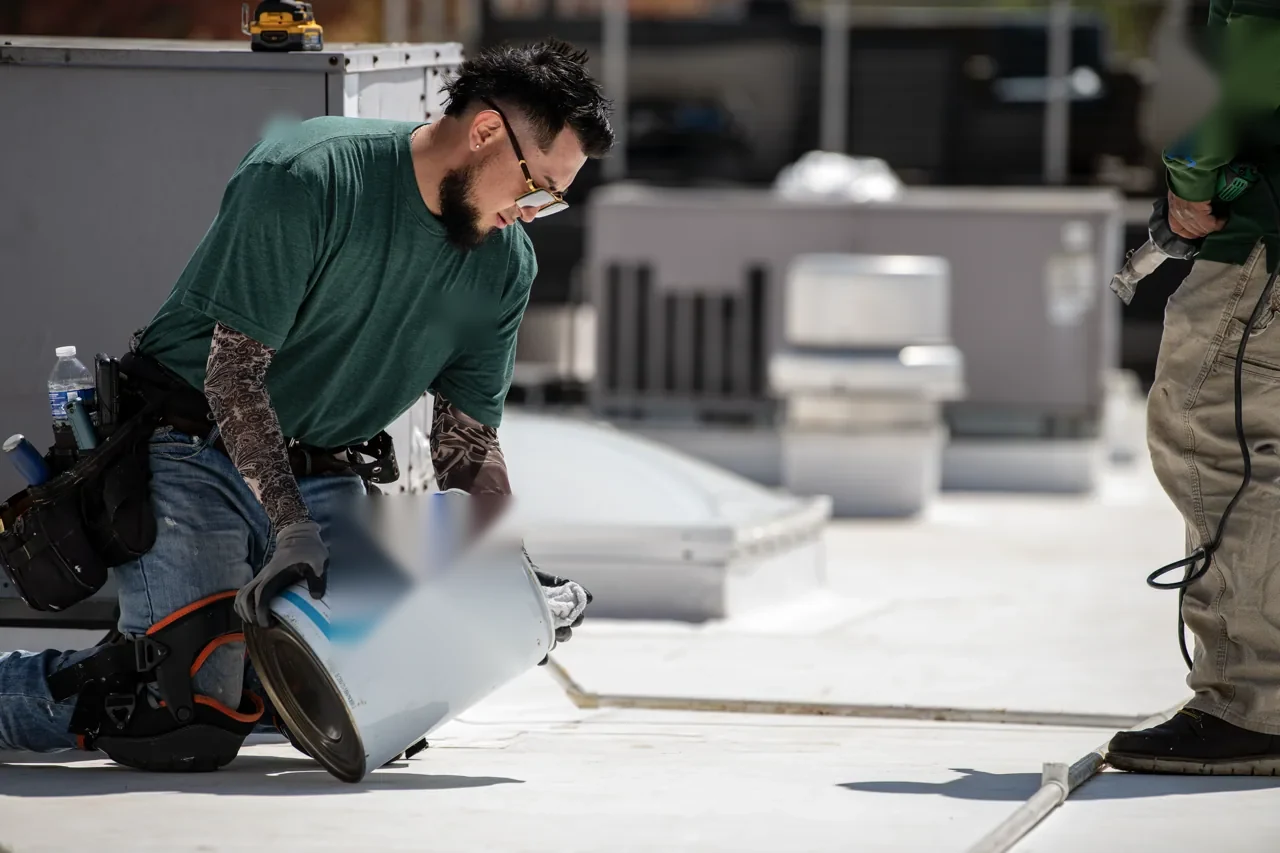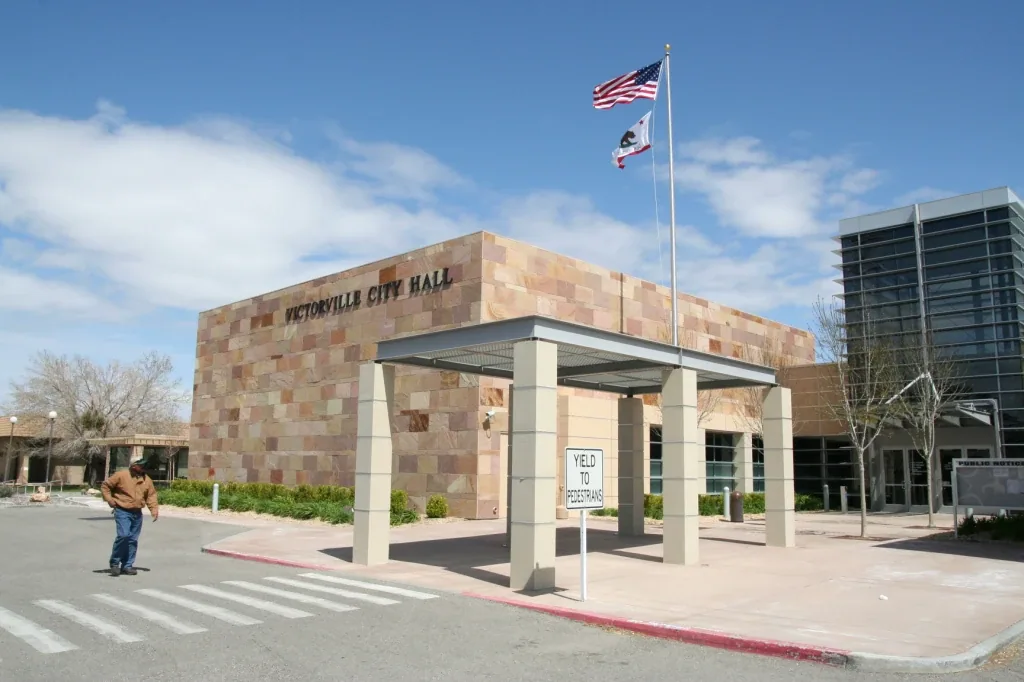
A leak over a dining room, sales floor, or receiving area can affect customers and staff before the source is clear. We start with the location, activity below it, and the facility contact who can approve roof access. The city's land-use map places a retail concentration by the Bear Valley Road interchange and shows I-15 separating parts of that commercial area. That context can help frame customer access questions, but it does not tell us which store has a leak or what roof system it uses. We inspect the property and report the affected zone.
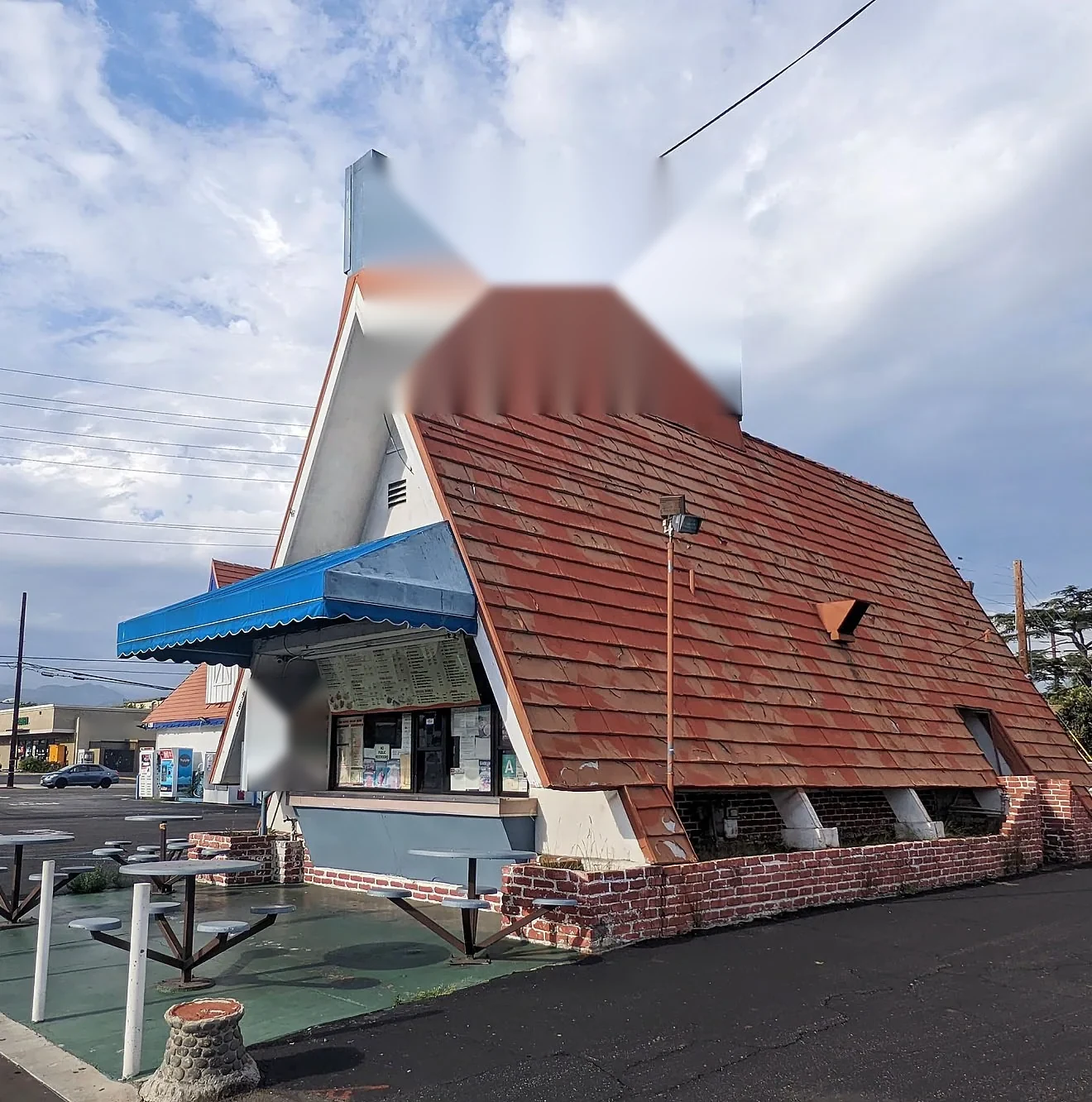
For a chain operator, the work record should be usable by the store manager, facilities lead, and regional asset contact. We label photos, repairs, and outstanding conditions by location, then keep the scope tied to the roof detail. A multi-property manager review can coordinate separate stores, while a restaurant roof inspection addresses kitchen exhaust and service access.
Protect the customer area first
The first call identifies whether the leak reaches tables, food preparation, point-of-sale equipment, stock, or a public entrance. The store follows its own food-safety and occupancy procedures while we assess the roof path. When ceiling material bows or water approaches energized equipment, follow the store's safety plan and move customers and staff out of the room. We then confirm which ladder, hatch, or escort is approved and where a crew can stage without blocking a delivery or customer route.
Water at a dining area may enter at a roof penetration or travel along the deck from another part of the building. We compare the interior report with curbs, grease exhaust details, seams, drains, and previous patches. Photographs show both the suspected entry and the interior location, helping the operator keep service decisions separate from repair findings. Temporary protection can reduce exposure, but it is not recorded as the permanent correction unless the full repair detail has been completed.
Plan around deliveries and trading hours
A store can have a quiet access window before opening, a receiving period that cannot be interrupted, or a kitchen that needs a coordinated equipment shutdown. We ask the facility contact to identify each constraint before choosing a roof zone. If a lift or material load is required, staging must fit the site's approved route and keep exits available. We mark the area below and confirm who can reopen it after the tie-in has been checked. For a multi-location program, each manager should receive the schedule for that property rather than a chain-wide assumption.
Victorville's city plan maps retail and restaurant activity around Bear Valley Road and I-15, and a separate Old Town Victorville plan maps retail and service uses near Seventh Street. These are planning descriptions, not proof of a particular tenant or building assembly. The store contact confirms actual business hours and access. A phased occupied-building sequence can keep a roof project in smaller zones, and a Bear Valley Road corridor assessment can frame local access around the broader commercial area.
Inspect exhaust, curbs, seams, and drains
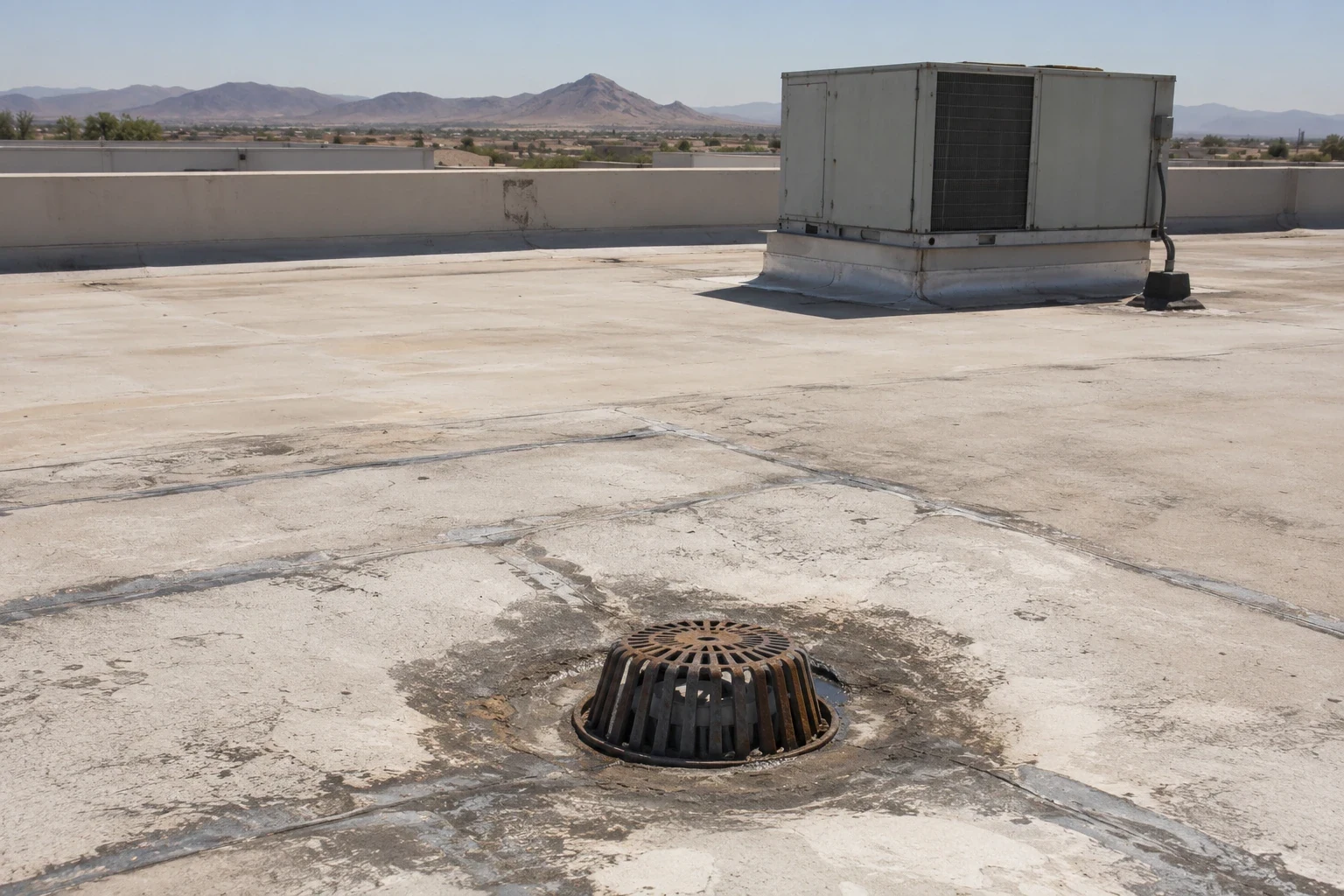
Restaurant exhaust, refrigeration, HVAC, signs, and roof access equipment create multiple details to inspect. We check flashing around curbs, metal transitions, membrane seams, drains, and areas where service work may have changed a penetration. A repair must fit the existing system and allow movement where the assembly needs it. For a chain with repeated prototypes, we still verify each roof's actual configuration before ordering material. Photos identify the store and detail so a future visit does not rely on a generic roof type.
Victorville's published code uses 2.5 inches of rainfall in an hour as a drainage design input, while a store visit checks its actual outlets and roof slope. That design reference does not show whether a particular outlet is blocked. We inspect the drain route and scupper after an interior report, then document ponding or overflow that is actually present. A drain review can address confirmed outlet conditions, while a perimeter and gutter scope checks edge transitions that shed water away from the store's walls and entries.
Compare locations without blending findings
Regional teams need to see which stores have an active repair, which need testing, and which are ready for a planned replacement. We can summarize that status across locations, but keep each roof's photos, history, and recommendation distinct. A leak in one unit does not prove another unit has the same defect, even when the tenant or construction appears similar. The record notes access attempts, areas not inspected, temporary protection, and the next contact needed to complete the scope.
Victorville planning approvals mention proposed industrial development at Foxborough and land east of Highway 395 north of Mojave Drive. Those projects do not identify a retail chain's property, so we use them only as context for local delivery and site-access questions. Store-by-store documentation can feed a retail distribution roof coordination and a condition report for budget review. The regional lead can compare urgent repairs with scheduled work while the store manager keeps control of the daily access window.
Choose a repair boundary that fits the store
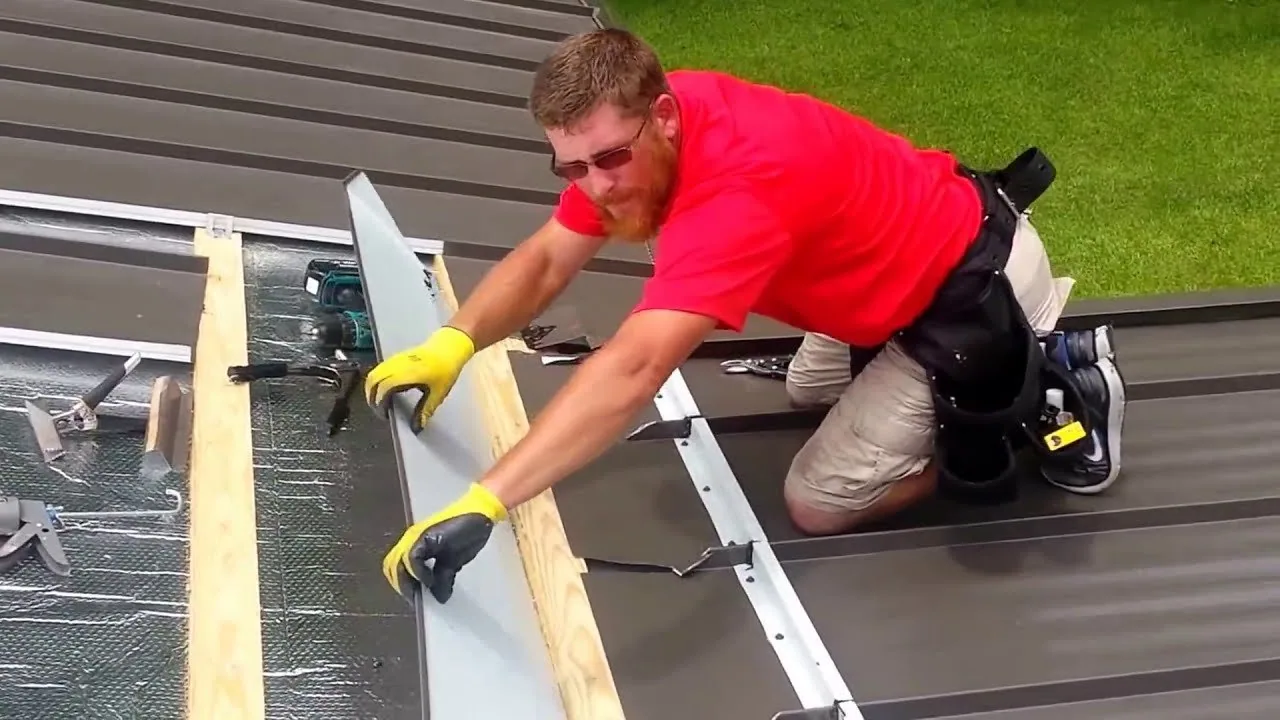
A focused leak repair identifies the opening or failed transition, preparation, compatible material, tie-in, and interior protection. If moisture reaches insulation or more than one roof zone, testing may be needed before expanding work. A recover or replacement review addresses the existing layers, deck, drainage, equipment curbs, edge metal, and required removal depth. We list concealed-condition assumptions so the chain can compare a local repair with a capital project without pricing the two as if they were the same task.
Summer heat can affect roof surface, crew exposure, and product application. Historical George AFB/Victorville station observations recorded mean July maximum temperatures of 97°F from 1980 to 1990, but current conditions govern any work date. We plan protection and open-area size around the selected system's limits. A store repair scope can be scheduled separately from a chain replacement program. Share the affected roof zone, sales or service area below, and the contact authorized to arrange access.
Hand the location back with a clear status
At closeout, we inspect the tie-in, check drains and loose material, remove temporary items that are no longer needed, and review the work with the facility contact. The record states what was completed, what was not included, which photos show the repair, and whether another visit is needed. If an equipment vendor must return, we identify the detail and access requirement so the next trade can coordinate with the store instead of cutting through an undocumented area.
Whether the property serves customers near Bear Valley Road or operates in Old Town Victorville, the scope follows the roof and business conditions confirmed on site. We respond to commercial roof repairs, inspections, replacements, and maintenance. Provide the affected location, activity below, and access contact. We can document the finding, make safe where conditions allow, and give the operator a practical decision for the next repair or capital step.
Commercial Roofing Questions
What should a store manager report with a leak?
Name the room or sales area, what is happening below, whether water is active, and who controls roof access. Follow store safety procedures and keep people clear of an unsafe ceiling.
Can work happen before a restaurant opens?
An early access window may help, but roof conditions, equipment, weather, and the repair method still control the sequence. We confirm the schedule and staging with the facility contact.
How do you handle roof access near kitchen exhaust?
We inspect the curb, flashing, membrane tie-in, and service route. The store contact coordinates any shutdown or vendor access before the crew opens the detail.
Can several chain locations share one roof report?
A summary may compare status, but each store needs its own roof photos, findings, repair scope, and access record. Similar branding does not establish identical roof construction.
What changes a patch into a larger project?
Wet insulation beyond a bounded area, repeated failures, or several compromised transitions can call for testing or broader scope. We document the observed basis before revising the work.