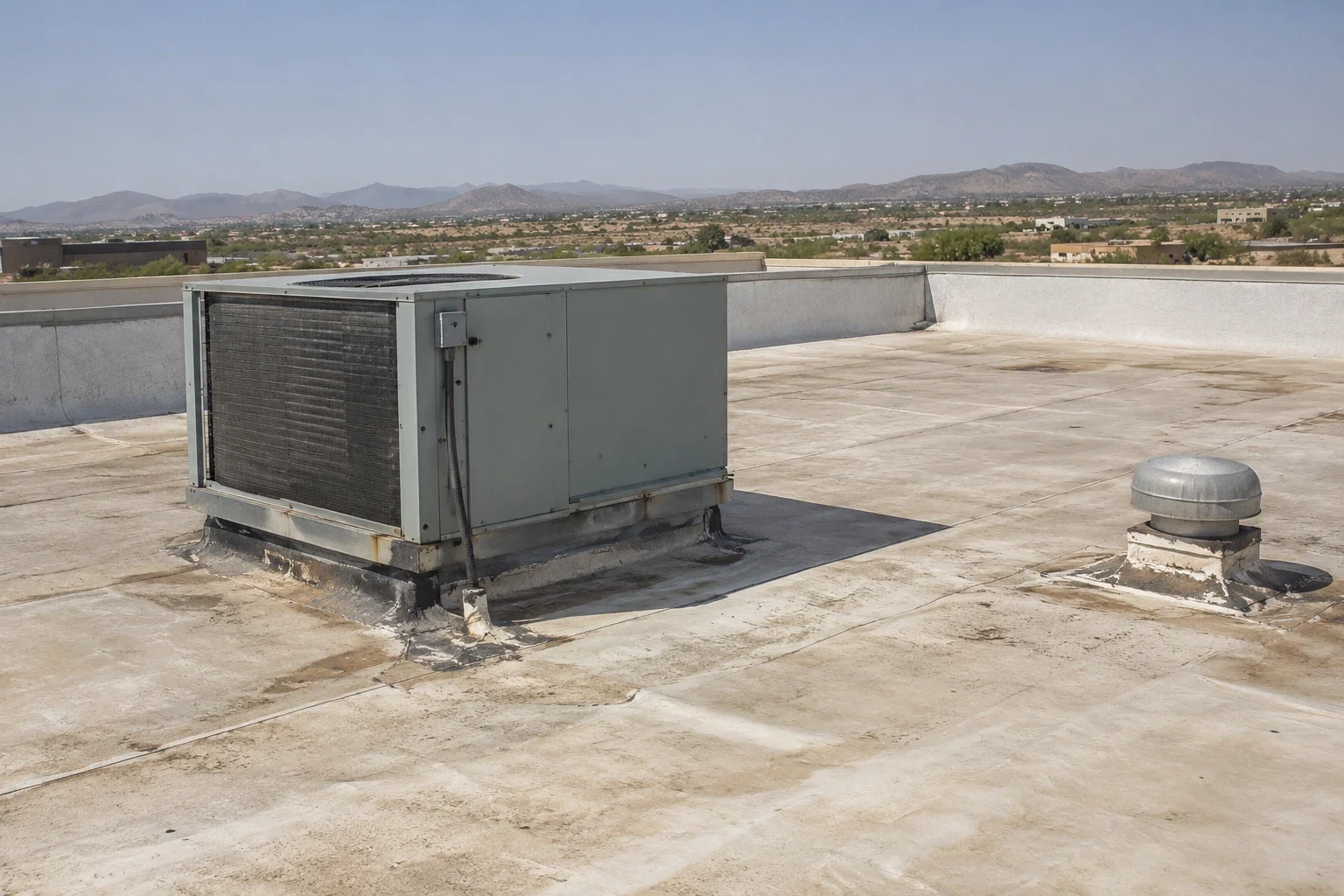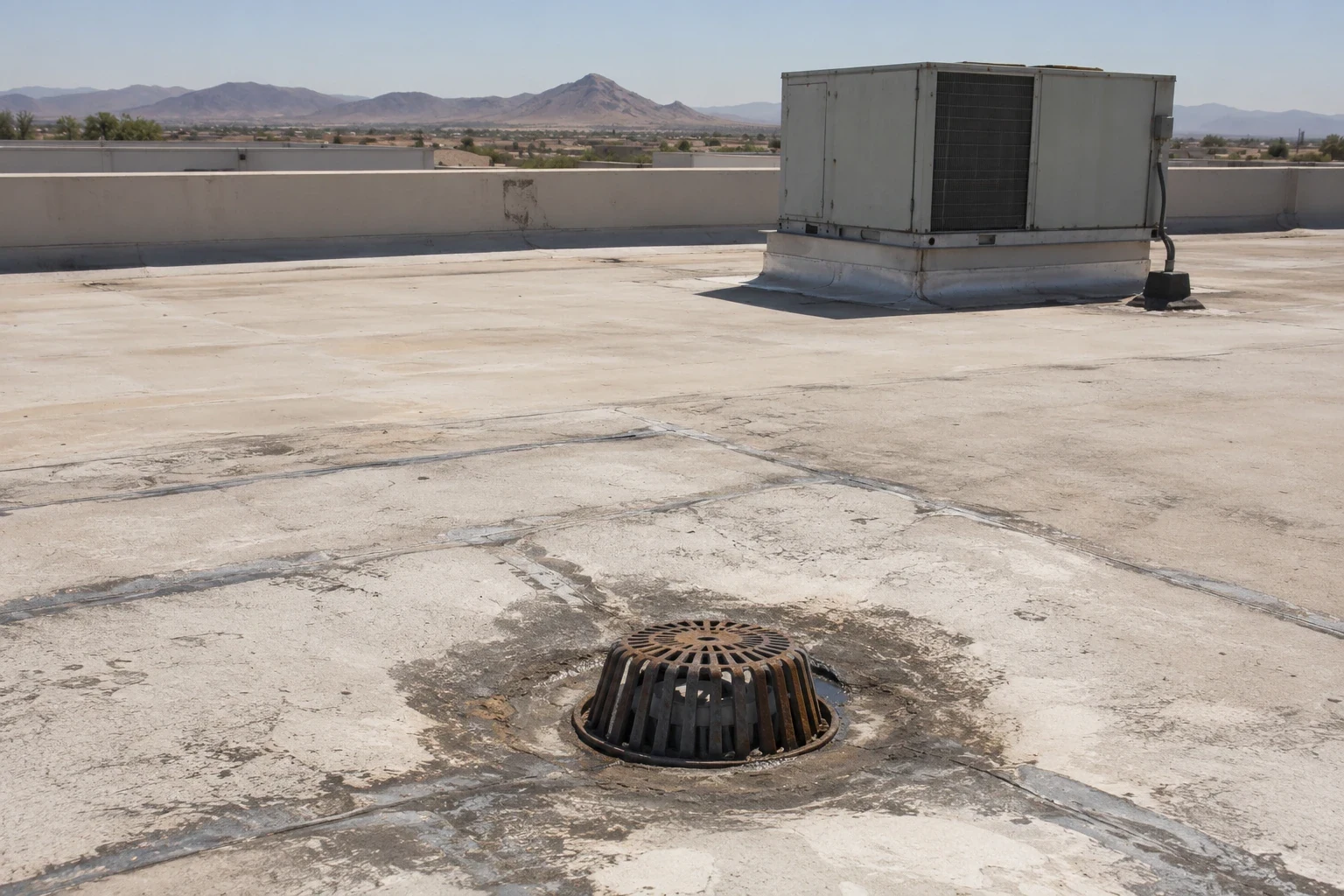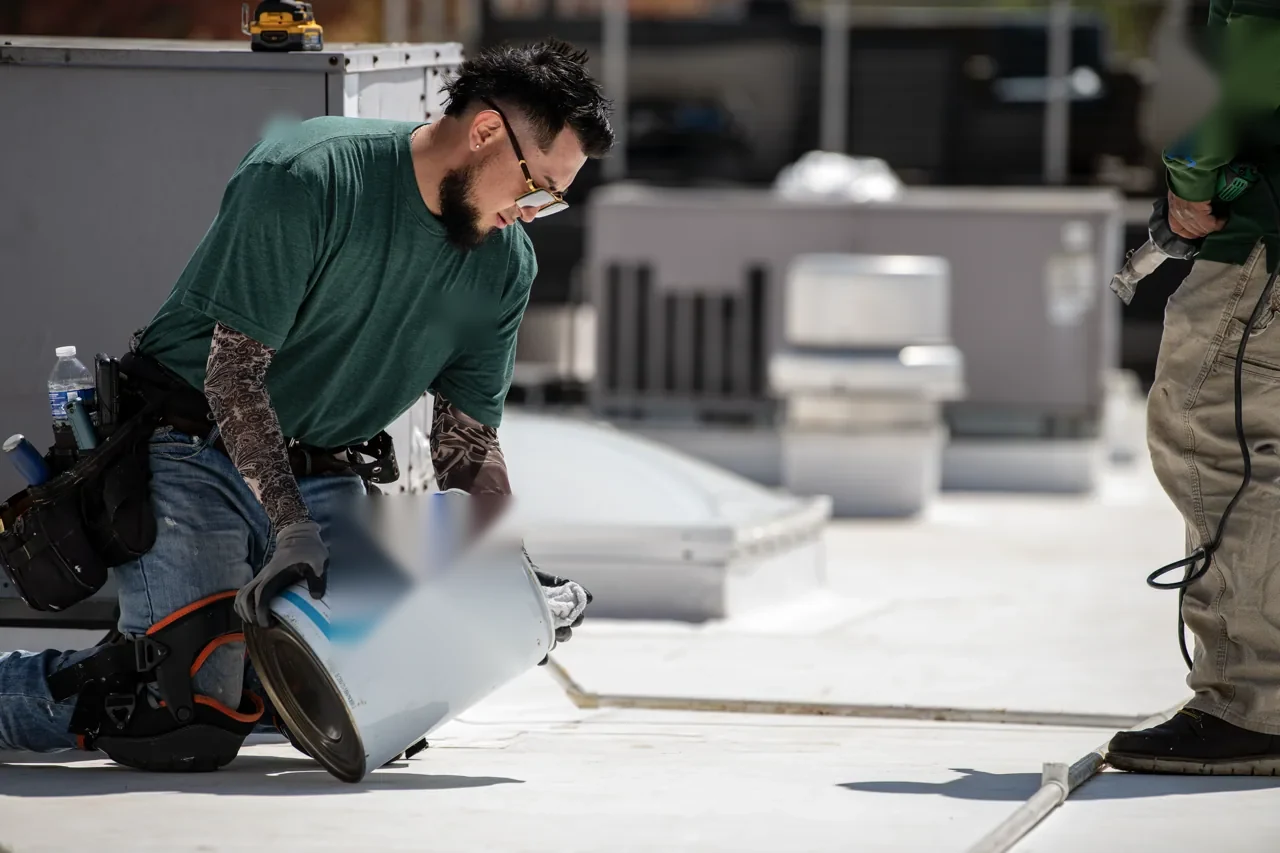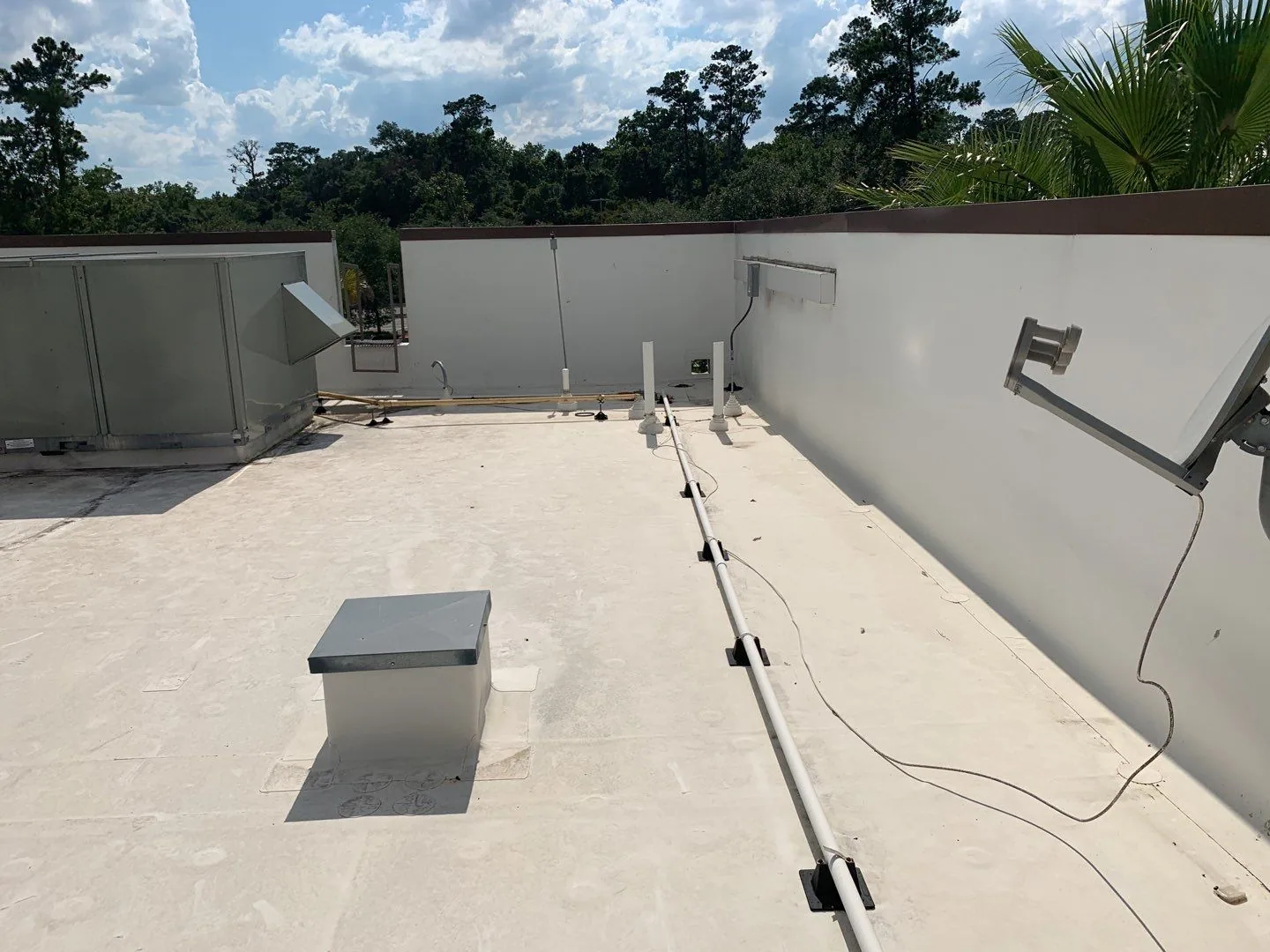
A stain above a dining room and water near a kitchen exhaust curb are different reports, even when both arrive during a busy service. The operator or property manager identifies the room, shift, equipment concern, and person who can provide roof access. We inspect above the reported zone, checking the curb, seams, penetrations, drains, and wall transitions. Photographs show the observed detail and help the owner distinguish an active safeguard from permanent repair work. The operator can pair roof condition report with the room and shift note. A drain concern may need separate planning through roof drain and scupper work.An address near the Eastern Bear Valley Road Corridor still needs its own route; Old Town Victorville lists Seventh Street as a separate public-space project. Neither plan identifies any particular restaurant or exhaust arrangement. We verify the property’s conditions rather than assume a layout. A roof-zone report gives the restaurant contact and building owner a shared record for the next decision.
Identify service period and affected room
Start with what the restaurant cannot safely pause. Ask the manager whether the report is over food preparation, dishwashing, dining, a walk-in, electrical service, or the delivery path. The operator controls interior protection and any food-handling decision; the roofing crew documents where access is needed and what roof condition is visible. A ceiling mark can appear away from the leak entry, so we record its position without treating it as a confirmed roof defect. Before a service window is approved, consult occupied-building project plan. For an isolated defect, compare the detail with focused commercial roof repair.
Exhaust and make-up air equipment can create complex roof transitions. We identify the curb, support, conduit, nearby flashing, and any access restrictions before planning work. The restaurant or mechanical contractor confirms shutdown procedures if equipment service is needed. We do not disconnect, clean, or alter kitchen equipment under a roofing scope unless that work is separately authorized and properly assigned. The written plan lists the operating contact and the conditions that require the crew to stop and coordinate.
Review exhaust curbs and nearby details
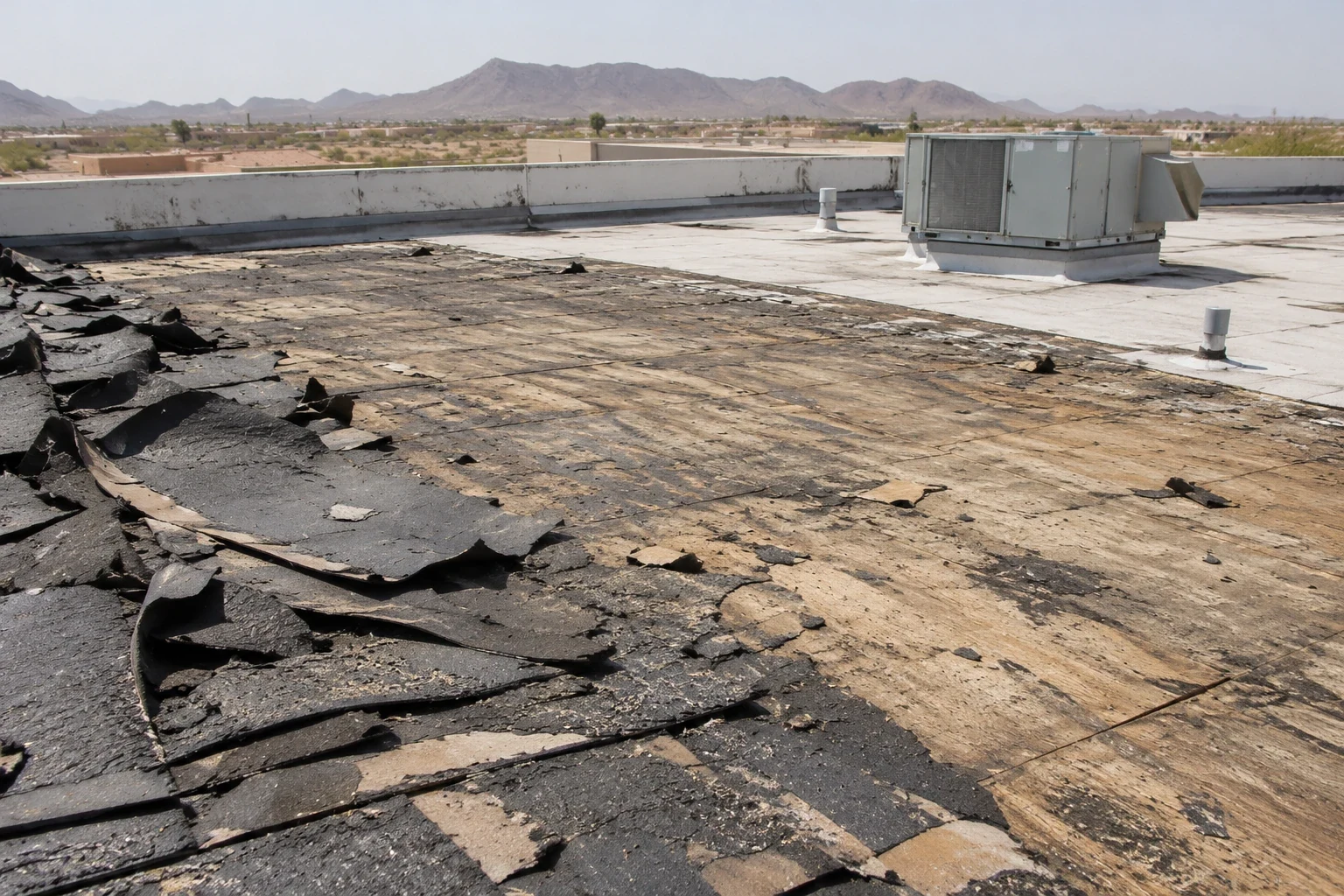
Inspection follows the details around exhaust curbs, plumbing vents, refrigeration lines, hatches, parapets, and drains. We note whether a seam is open, flashing is separated, a penetration is loose, or moisture is confirmed by an approved method. Nearby grease or kitchen residue may be present, but it is not proof of a roof failure. The condition record separates observation from cause and labels any test opening before the owner approves it. That keeps a repair scope focused on the evidence rather than the room name. If renewal is considered, use commercial roof replacement after assembly review. Include Victorville service coverage in the Victorville access request.
Victorville’s code page gives a roof-drain sizing rainfall input of 2.5 inches per hour. That figure is a design reference, not a supports about flow at a restaurant roof. We inspect actual slope, strainers, drain bowls, scuppers, overflow routes, and flashing. If a discharge detail is damaged, drain and scupper service may be appropriate; a curb defect needs its own preparation and tie-in. The estimate distinguishes those tasks when findings show more than one condition.
Plan roof access around kitchen operations
Restaurant projects often need short, predictable work windows. We coordinate the roof access time, exhaust equipment limits, deliveries, customer entrance, outdoor seating if present, and the daily weather-ready close with the operator. We do not assume a dining room is empty between meal periods or that a delivery lane can be occupied. The site manager confirms the current schedule and the route below the work. A crew briefing then uses the approved boundary and identifies who can authorize a change. A center’s tenant route can be compared with shopping center roofing.
Planning documents describe commercial activity near Bear Valley Road and I-15 and a separate Old Town plan area. Old Town includes retail and service overlay areas as well as other land classifications; Seventh Street is identified for public-setting improvements. These city details offer geographic context, not evidence about a restaurant’s business hours. A phased occupied-building plan records owner-approved access and identifies any shift, delivery, or equipment condition that changes the sequence.
Separate curb repair from broad renewal
A focused repair may be reasonable when an isolated penetration or seam issue is documented and surrounding materials remain serviceable. Wider moisture, repeated patch failure, deteriorated insulation, or a deck concern can change the recommendation. We review the roof history, assembly, attachment, curb condition, drainage, and approved testing. A commercial roof repair scope names each preparation step and boundary. It should also state what the repair cannot verify, especially when the concealed assembly remains closed. For refrigeration-related scope, review grocery store roof review without assuming its equipment.
For replacement, the owner needs to know how exhaust curbs, equipment supports, duct clearances, edge details, drainage, and daily dry-in will be handled. We confirm whether equipment needs a separate mechanical contractor and define who schedules that work. The code references for a Victorville project name climate zone 14, use a 5 psf snow basis, and vary wind design with occupancy and site exposure; confirm criteria for the actual scope. A replacement proposal states assumptions and approval points for concealed deck or insulation conditions.
Document the handoff for the next shift
The closeout packet should make the repaired location recognizable to the next shift. We include labeled roof photographs, the detail repaired, material and preparation notes, date completed, area released, and any remaining limitation. If the restaurant requested a temporary protection measure before permanent work, we identify it and state the follow-up needed. Any work involving kitchen equipment or food areas remains under the appropriate operator or contractor controls, not an implied part of a roof repair. For seam and flashing context, consult TPO roof detail review after identifying the curb.An address near the Eastern Bear Valley Road Corridor still needs its own route; Old Town Victorville lists Seventh Street as a separate public-space project. The manager can confirm a quiet interval, but the crew still checks wind and forecast conditions before exposing any assembly. The operator confirms service hours and any mechanical coordination; facilities then releases the roof zone after reviewing the daily weather close.
Place context can help a service team route a visit, but the inspection itself is property-specific. Near the Bear Valley Road/I-15 commercial area or around Old Town, we still need the correct entrance, roof access contact, delivery interval, and exhaust curb location. The city land-use record cannot confirm the roof assembly. Send the operator’s report and any prior repair note with the service request. A Victorville roofing assessment returns a clear list of observed work, unanswered conditions, and the next owner decision.
Commercial Roofing Questions
Can restaurant roof work happen between meal periods?
The operator confirms actual service and delivery windows, while the owner approves roof access and staging. The work plan sets a weather-ready close and states what condition could require a pause.
Will roofing work require kitchen exhaust shutdown?
That depends on the work near the curb and equipment. The restaurant’s mechanical contact confirms any shutdown and restart procedure; the roofing scope identifies coordination needs before scheduling.
Does an interior stain prove the exhaust curb is leaking?
No. Water can travel from a different roof detail before appearing indoors. We inspect the reported zone and nearby curbs, seams, drains, and transitions, then tie recommendations to observed evidence.
Who protects food and dining areas during roof work?
The restaurant operator controls food handling and interior operations. The roof plan identifies overhead protection, work boundaries, access, and the contacts responsible for approving those controls.
What should the restaurant share before a visit?
Provide the affected room, report timing, entrance and delivery restrictions, equipment access rules, roof-access contact, and any recent repair notes.