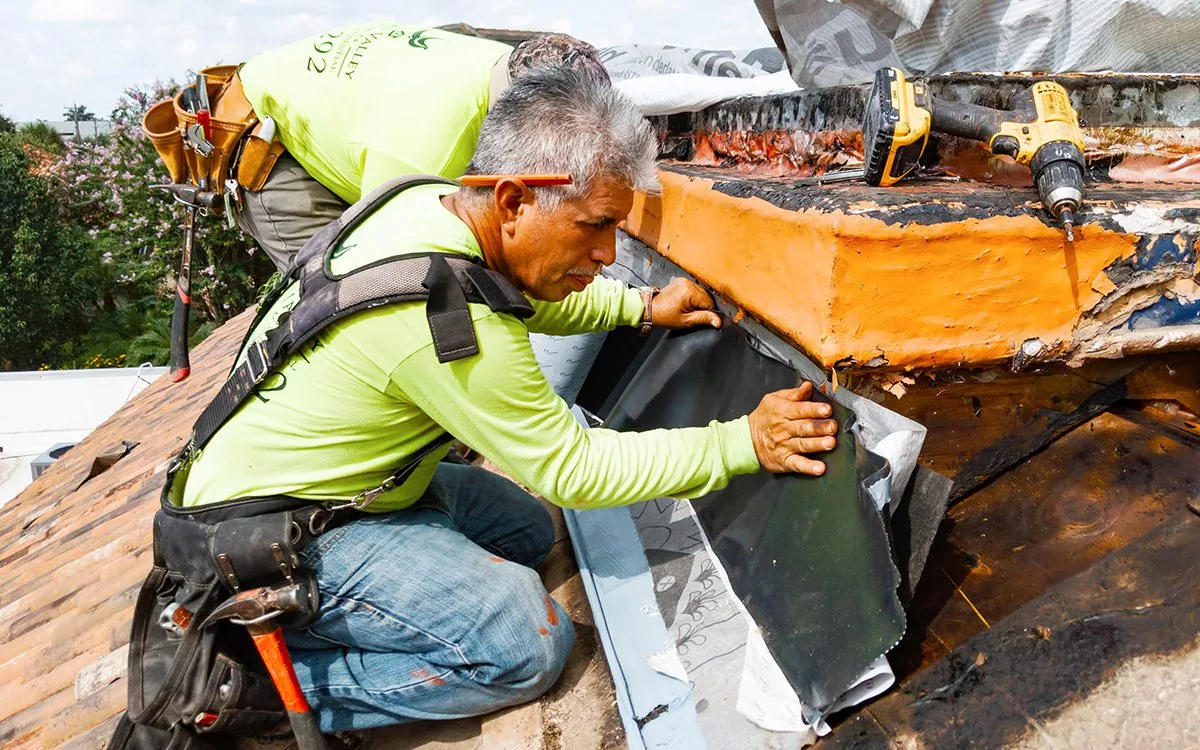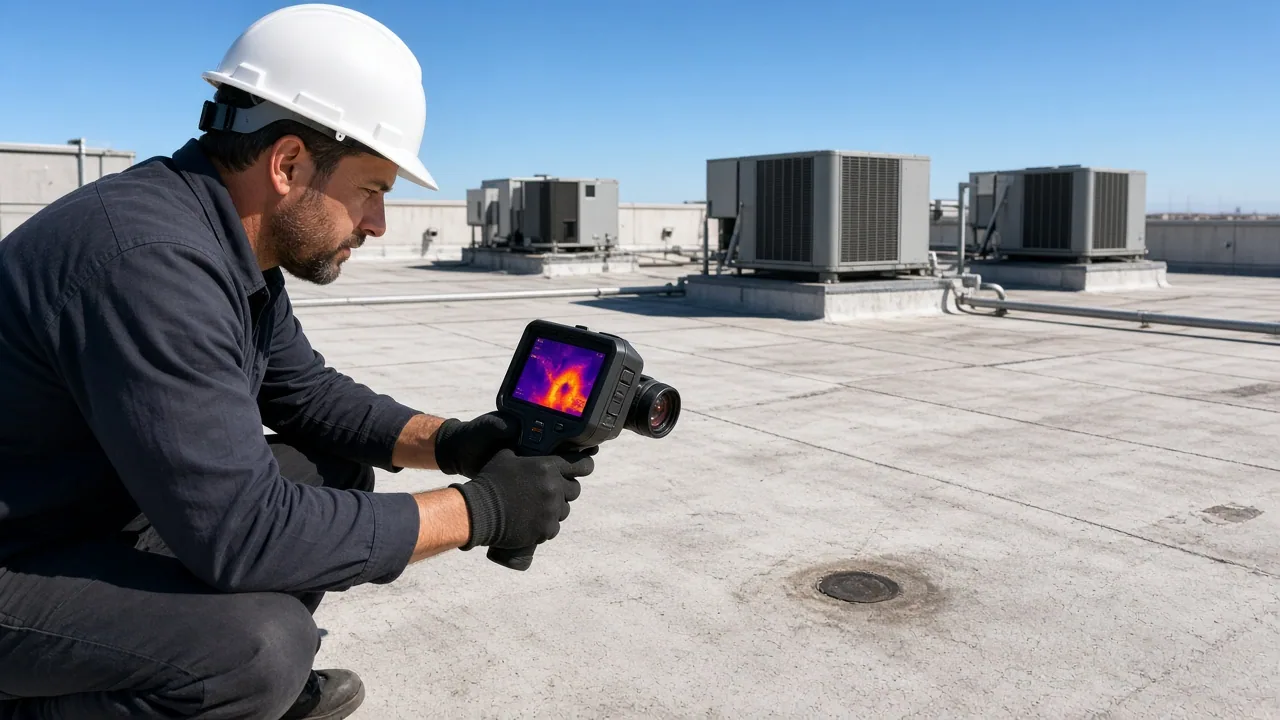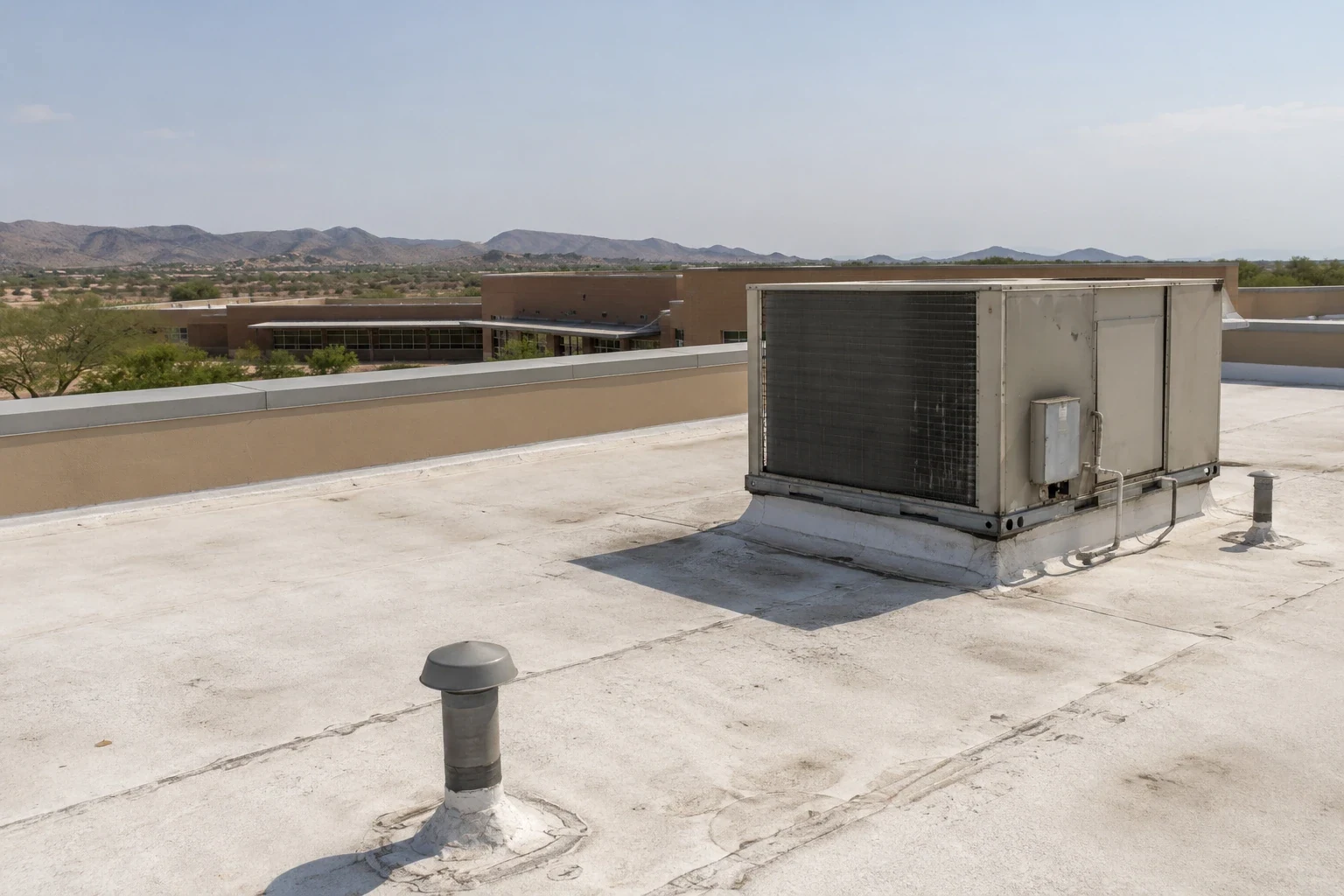
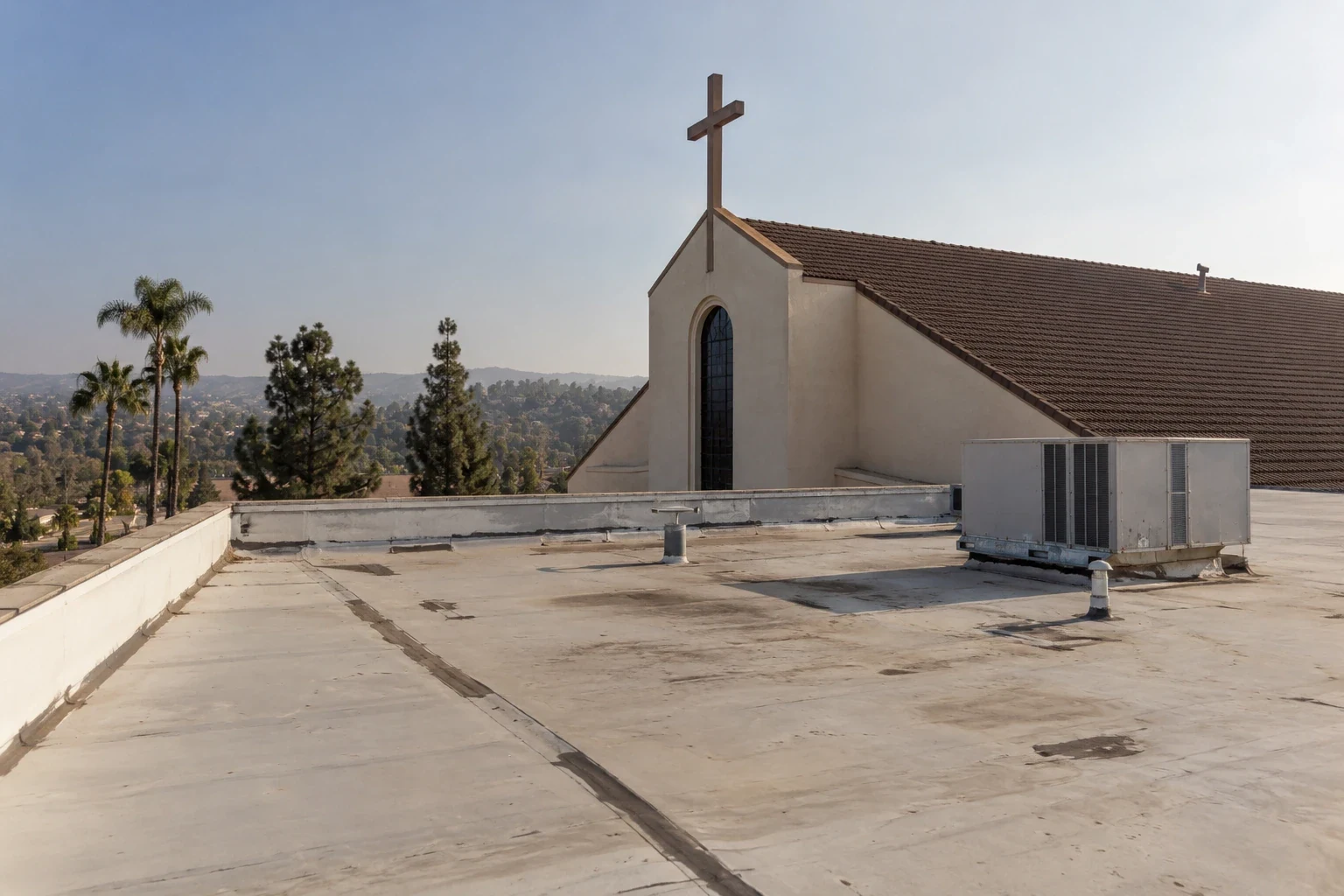
A caretaker notices water above a fellowship room before the building opens for an evening gathering. In Victorville, CA, our first call identifies the room, activity below the roof, and person who can provide access. We note whether seating, sound equipment, or stored materials need protection, then inspect the roof zone connected to the report. Drains, seams, penetrations, flashing, and edges help trace a possible water path. A photo set ties those observations to the affected area so the church contact can decide whether to make safe, repair a detail, or examine a wider roof condition. Around the Eastern Bear Valley Road Corridor and Old Town Victorville, operating calendars and access contacts differ by property, so we coordinate with the people who use the building.
Gathering schedule: set the access window
Worship services, classes, meals, and community events can use separate rooms throughout the week. We ask the church contact which area is affected and when roof or interior entry can occur without interrupting a scheduled use. If water is active, temporary protection can begin while the source is traced. Our emergency roof response is available at all hours, including weekends and holidays; the first step is a safe assessment and clear contact for access. A repair sequence can then account for the room, surrounding activity, and roof entry route.
Church properties can include a sanctuary, classrooms, offices, and fellowship space, yet the access plan depends on the building in front of us. We confirm which entrances are available, whether a caretaker or facilities volunteer can meet the crew, and what areas should remain open. If a repair requires interior access, we coordinate that entry with the contact responsible for the schedule. The written scope names the affected roof zone and any temporary restrictions so a congregation can plan around the work rather than receive a broad, uncertain closure notice.
Leak trace: follow the roof zone above the room
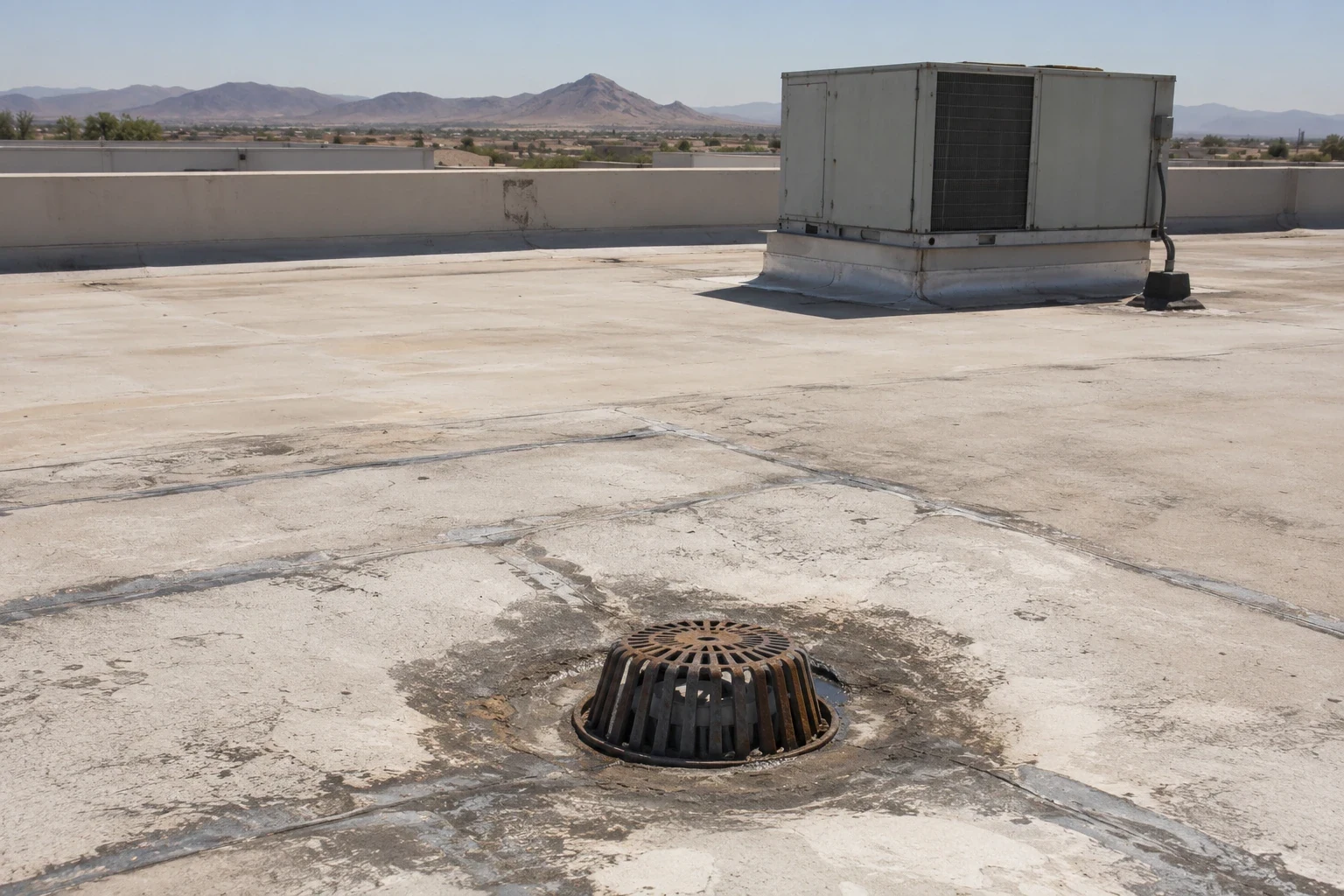
A leak can emerge away from the defect, so the crew connects room-side observations to the roof details before setting repair limits. We compare the room report with drains, membrane seams, equipment curbs, skylights, and flashing transitions. For design purposes, the city's drain criterion corresponds to 2.5 inches during an hour, not a finding about this sanctuary's drainage on the day inspected. We inspect the bowl, strainer, overflow route, and nearby low areas. A drain and scupper inspection can be included when the roof evidence points toward drainage.
Where a sanctuary or meeting room is affected, we identify what needs immediate interior protection and which roof observations correspond to that location. If the assembly would need to be opened to confirm trapped moisture, we state that as a separate decision. A photo set can show visible roof details and any room-side evidence that the church contact authorizes us to review. That record helps the facilities lead pass the issue to a board or owner without implying that every roof area has the same condition.
Assembly review: examine exposed edges and transitions
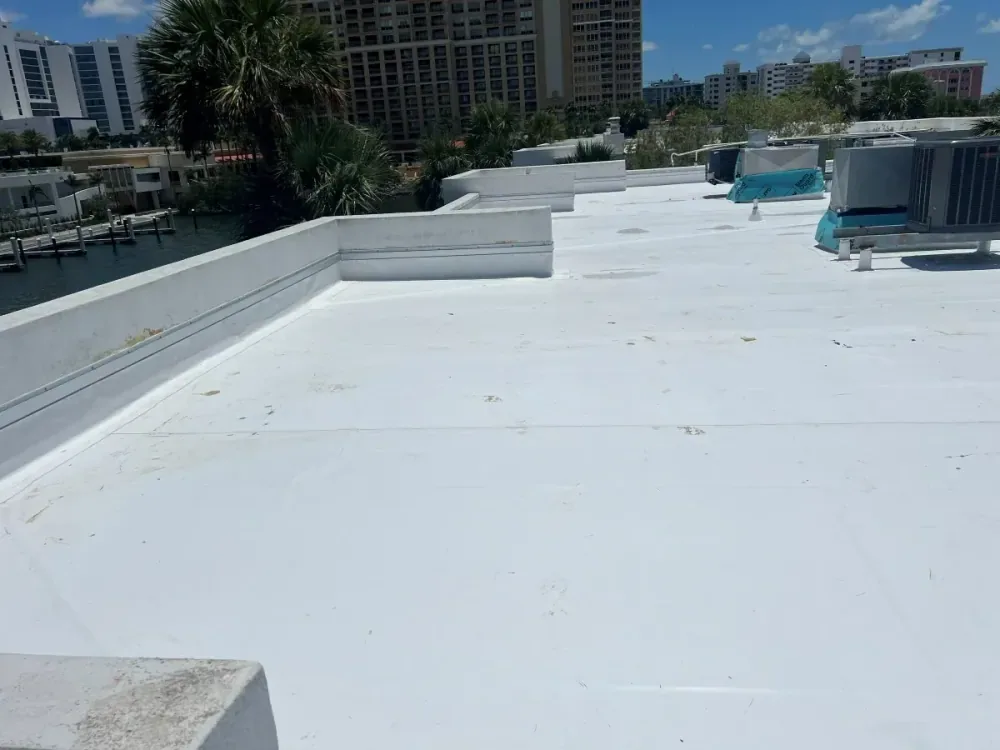
We identify the roof surface we can see and check its field seams, perimeter metal, penetrations, curbs, drains, and previous repairs. Church roofs may have multiple transitions where additions, equipment, or different roof slopes meet; the inspection documents the details present on that building. Historical George AFB/Victorville station readings recorded hot July and August averages during the 1980 to 1990 period. They do not measure a congregation's roof, but sustained heat exposure makes flashing and exposed membrane edges worth close inspection. A heat-exposure condition review is appropriate when field observations show deterioration.
Victorville’s building-code materials list wind design values that vary with occupancy and exposure. Design values do not prove roof damage. We look for actual loose edge metal, lifted flashing, open seams, or other conditions and record their location. If drone imagery helps survey a broad roof area, the written report still distinguishes the image from a hands-on check of a detail. That way the church contact can decide whether a closer inspection is needed before authorizing a repair.
Repair scope: identify the work and what remains
A local flashing or seam repair can fit when the neighboring membrane and substrate remain sound. Repeated entry, wet insulation, or deterioration across several roof zones may call for further investigation before a coating, recover, or replacement is selected. The board receives a defined repair area, supporting observations, and a clear list of exclusions before approving work. A commercial roof inspection creates written observations and photos for the facilities contact. If recurring drain or edge maintenance is needed, a planned roof maintenance visit can track completed repairs and items that need another look.
Timing depends on access, material compatibility, weather, and the congregation’s building calendar. The scope states where the crew will stage, which room or area needs protection, and what follow-up observation is recommended. If a concealed condition changes the repair, we share the observation and next option before expanding work. This keeps a temporary cover or localized repair separate from a capital recommendation about a larger assembly. The church can review immediate protection first and schedule broader work around upcoming uses.
Victorville context: plan around each congregation’s use
Victorville's planning map identifies commercial and regional-serving activity around Bear Valley Road and I-15. We use that as broad access context, then confirm the congregation's own service calendar and delivery instructions. Those planning facts do not describe a particular church property. They do remind a facilities contact that nearby land use and traffic conditions can affect delivery or staging access. We confirm the church’s own service schedule, roof entry, and material drop point before work begins. A school roof assessment may use a similar access conversation, but its school calendar and authorization path remain distinct from a church schedule.
Victorville economic development materials also identify manufacturing, logistics, industrial users, and distribution as parts of the city's business context. A congregation may schedule work around weekday activity, evening programs, or weekend gatherings. The contact who maintains the roof can tell us which hours and rooms need to remain available. For an older congregation with supportive housing or care operations, an occupied senior living roof review has separate resident and staff coordination. We keep every record specific to the building being assessed.
Closeout: give the board a clear repair record
A closeout identifies the roof zone, condition observed, completed repair, and open return item. Photos and written notes help the church contact explain the decision to the board or incoming facilities lead. If an area could not be inspected, the report names the access needed. A roof condition report keeps the record connected to future leak reports and scheduled checks.
For follow-up, the Victorville commercial roofing team can coordinate access with your facilities contact.
Commercial Roofing Questions
What should a caretaker report before the inspection?
Name the room, when water appeared, what is stored or operating below it, and which contact can provide roof access. We use that information to plan interior protection and trace the likely roof zone. If an event or service limits access, include its schedule before we set the visit.
Can a roof repair be scheduled between services?
We coordinate the access window, staging, and any interior entry with the church contact. Roof conditions and weather still control when materials can be installed. The work scope identifies the zone and temporary restrictions so the congregation can plan its room use around actual work limits.
Does water over the sanctuary prove the roof needs replacement?
No. The interior location is a report, not a diagnosis of roof-wide condition. We check the related membrane, flashing, penetrations, and drainage details, then describe a supported local repair or further investigation. Broader renewal requires evidence from the roof assembly.
What if the church has no facilities employee?
A board member, caretaker, or designated property contact can coordinate access and identify rooms that need protection. We confirm who can authorize the visit and receive the scope before work begins. If access is unavailable, the report states which area needs another appointment.
How does the board receive the repair findings?
We provide a written scope and photos tied to the roof area discussed, with completed work and open follow-up stated separately. The record can be shared with board members or an owner so they can review the observed condition and next decision without relying on an informal summary.