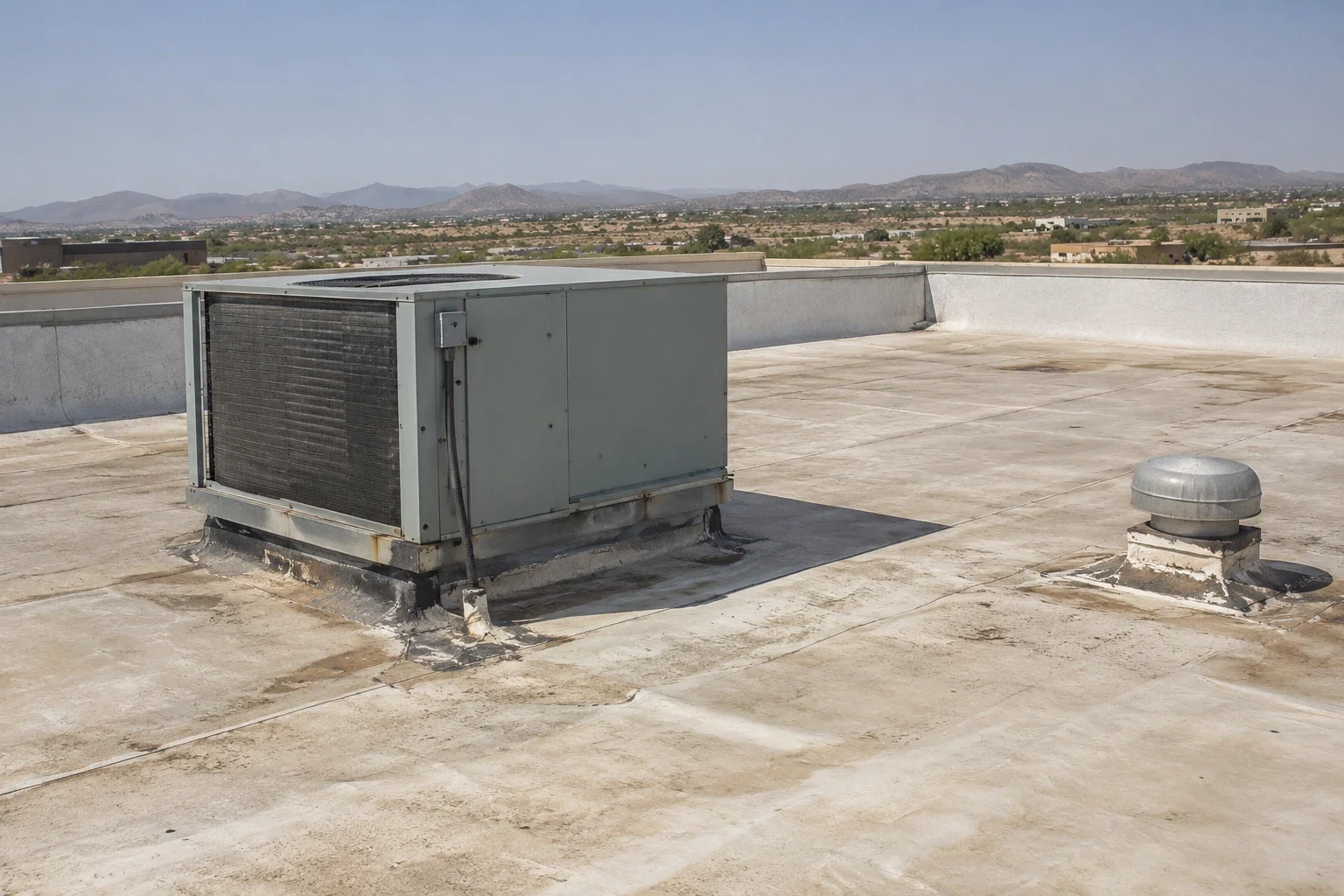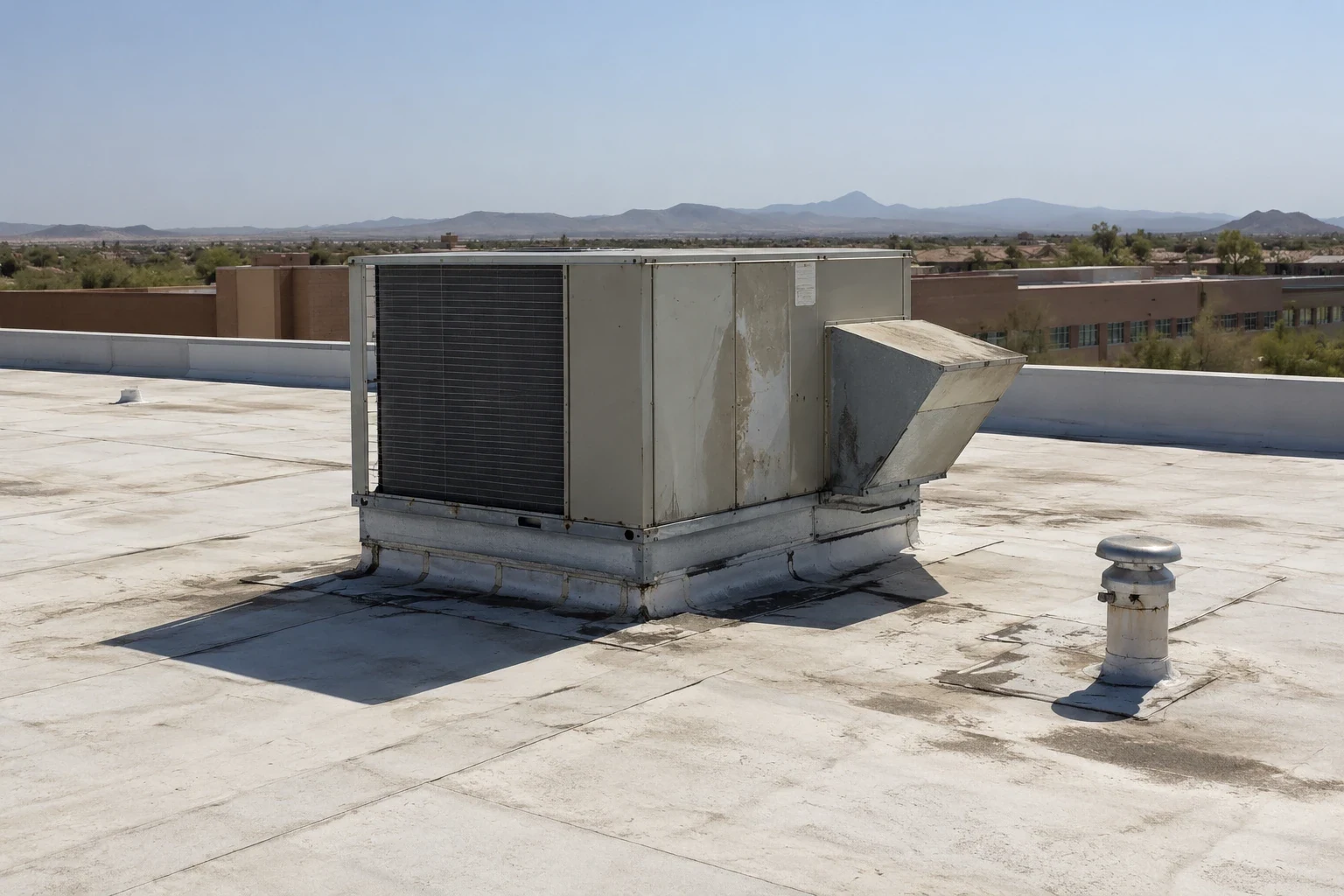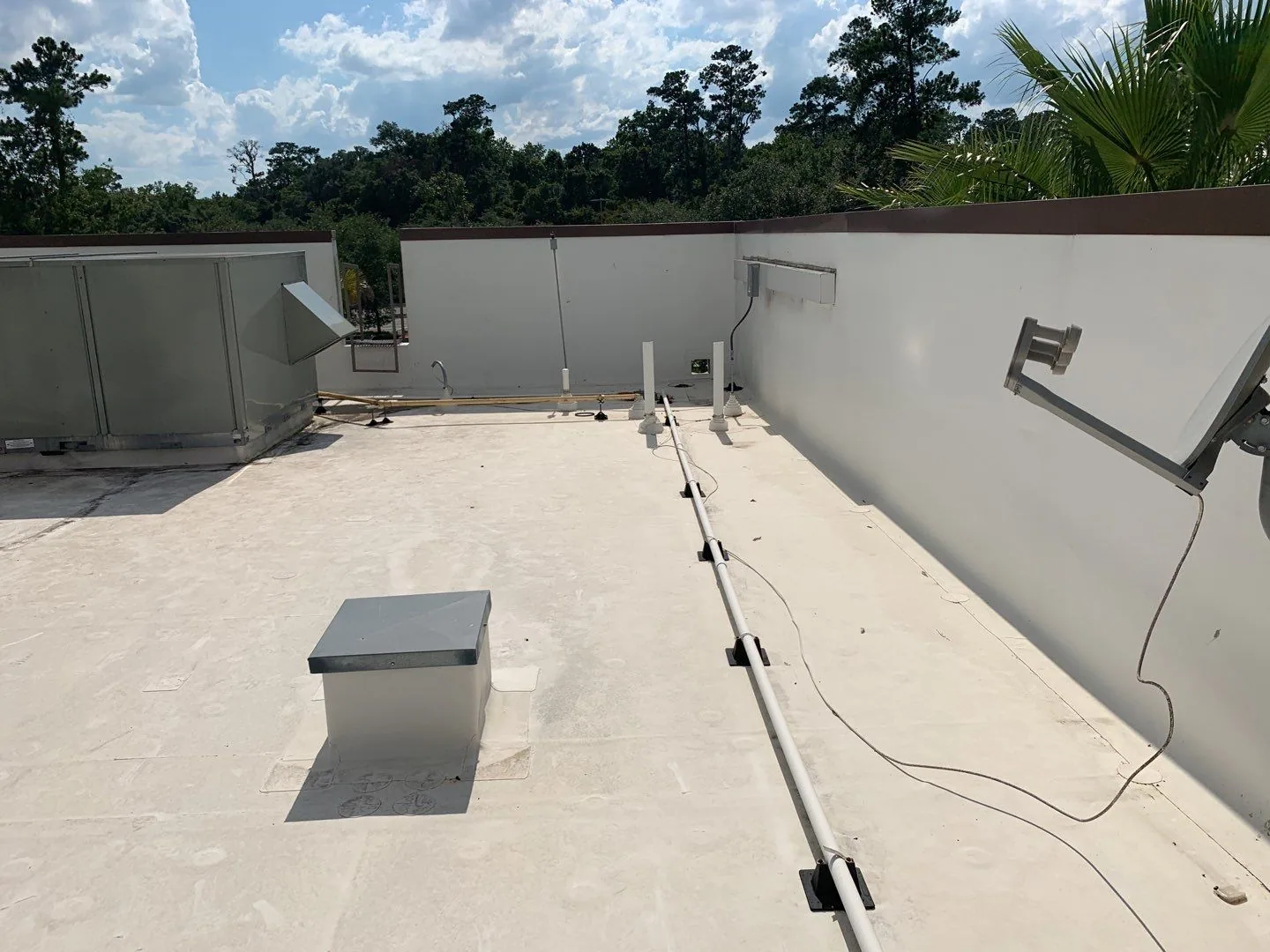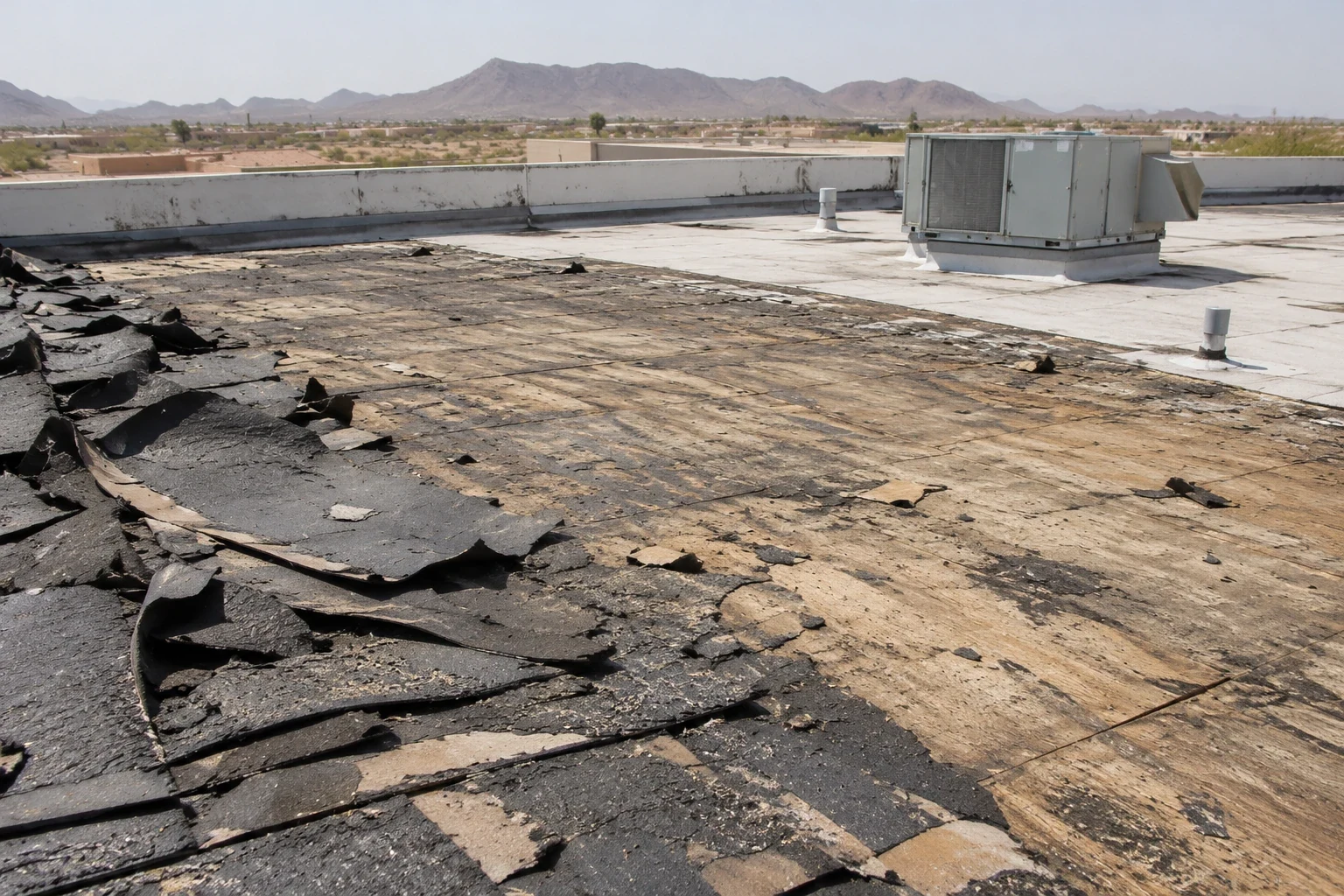
A public-building work order should identify the room, roof zone, and service that could be affected before a crew is assigned. We begin with the facility contact, approved access, and the activity below the reported leak or loose material. Victorville's Old Town plan includes retail and service overlays, light-industrial uses, residences, and open space; city planning also identifies commercial activity near Bear Valley Road and I-15. Those classifications are not a directory of public buildings. They make it important to confirm the actual property, access rules, and operating hours before the roof sequence is set.
We photograph observed conditions and separate make-safe work from permanent repair, testing, and replacement planning. For an agency responsible for several buildings, each roof receives its own condition record even when procurement or facilities coordination is shared. A roof condition report can connect the photos to a work scope, while district roofing coordination addresses calendar and occupied-building needs.
Turn the report into a roof location
A request that says only “leak in the west wing” may not identify the membrane area or roof drain to inspect. We ask for the affected room, when water appeared, whether it is active, and any prior repair note. The agency contact confirms a roof plan, key, escort, and any area where access is restricted. If an interior space is unsafe, facility staff use their own safety procedure and keep people clear. The crew does not ask building occupants to investigate from the roof.
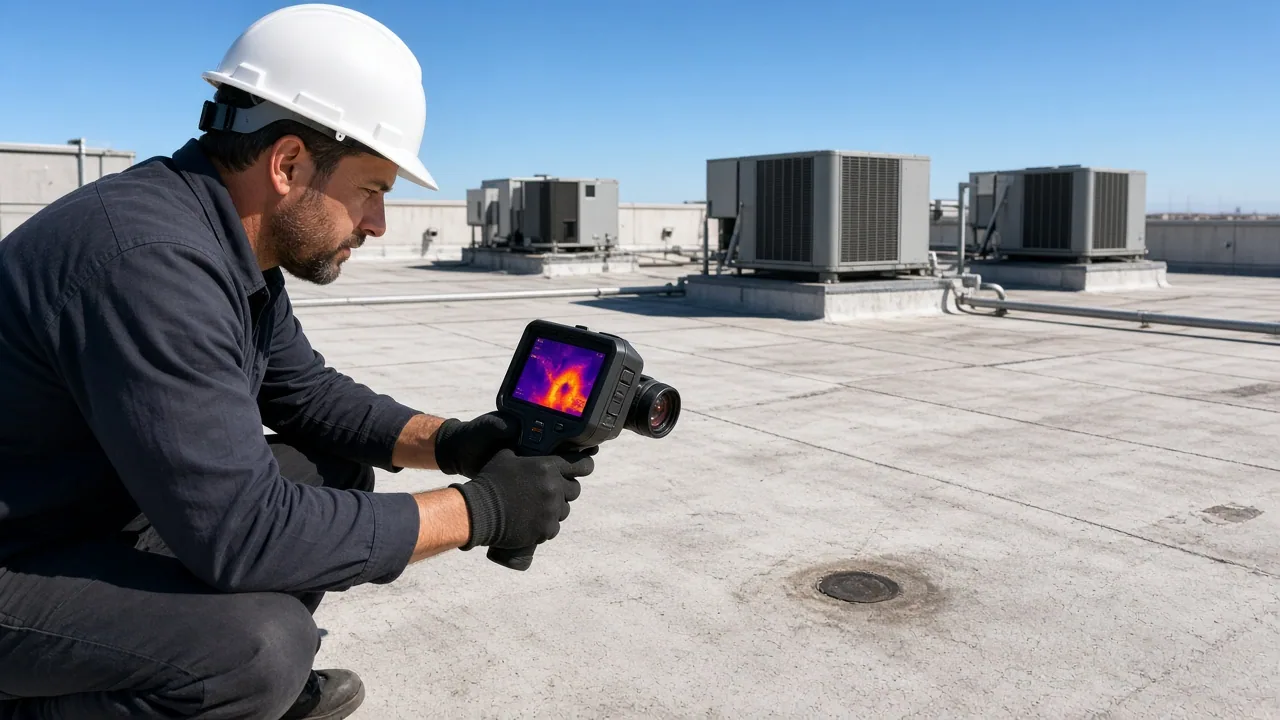
Once access is approved, we follow the water path toward seams, curbs, skylights, drains, scuppers, wall transitions, and edge metal. The report notes what is visible, what was tested, and what could not be reached. If an opening is needed, we identify its purpose and protect the occupied area before work begins. The resulting photos can support a scope review without turning a single observation into a claim about the entire building.
Make scope assumptions easy to review
A public work scope should state the roof zone, preparation, material compatibility, tie-in, protection, and any allowance for concealed deck or insulation conditions. A replacement scope adds removal depth, cover board, drainage, flashing, edge details, and the closeout record. If additional damage appears after removal, we photograph the condition and seek direction before changing quantities. A recover is only considered after existing layers, moisture, attachment, structure, and applicable code are reviewed. These details give project and purchasing staff a defined basis for comparison.
The city's building-code page lists a 2.5-inch-per-hour roof-drain sizing rate and wind values that vary by occupancy and exposure. They are code references, not findings about a particular agency roof or a storm that has occurred. We check the existing drain path and visible attachment; project criteria come from applicable documents and design review. An agency team can review a defined repair scope alongside a replacement proposal, with assumptions recorded in both.
Coordinate access with public use
A library, office, operations building, or service counter may remain open while roof work takes place nearby. We confirm hours, public entrances, loading areas, barriers, and any interior protection needed below the work zone. Roof access and staging should not block the service route chosen by the agency. The facility lead can tell us when a lift or material delivery fits the site. Each shift ends with a check of temporary tie-ins, drains, and loose material, followed by a status the agency can share with staff.
Seventh Street is identified in Old Town revitalization work, and the Old Town plan spans from Interstate 15 toward the city's eastern boundary. This corridor context does not set the schedule for a municipal building. We confirm the site's actual entrance and public hours, then fit the work sequence around them. For a multi-building program, multi-site roof tracking can preserve separate records while the agency coordinates contacts, access, and contract administration.
Account for local roof conditions
Victorville experiences significant summer heat in the historical weather record, and the city publishes design references for snow, wind, and drainage. Those data guide design discussion but cannot replace an inspection of an existing roof. We look at membrane movement, seam condition, metal edges, flashing, and outlets, then check whether the selected repair product fits the assembly. When work involves coatings or adhesives, current roof surface and application conditions matter. The crew protects material and keeps the open work area small enough to close within the planned shift.
The George AFB/Victorville station recorded July mean maximum temperatures of 97°F during the 1980 to 1990 observation period. That is a historic average and does not forecast a project date. We follow current conditions and product requirements. The city's 2025 code page lists applicable California code adoptions with state modifications; the project team should confirm which provisions apply to its scope. A roof inspection can capture current visible conditions before the agency finalizes repair or capital documents.
Keep payment and maintenance records aligned
At closeout, we identify the completed roof zone, work performed, photos, materials, temporary protection removed, and any remaining observation or access need. If a test opening was made, its repair is documented. The agency can file that record with the contract, invoice, and maintenance schedule, keeping roof evidence close to the procurement record. A warranty document is recorded as issued for the project; its terms are not expanded by a Diligence Notes. When a claim is involved, we provide condition documentation without deciding coverage.
When a department manages a group of facilities, its summary can list which sites are complete and which need a test, repair, or separate budget. The field record still names a single building and roof zone. That distinction helps purchasing staff connect a change request to the work observed and lets facility teams schedule the right access contact. If an asset group includes leased or investor-owned properties, the ownership reporting record can be compared with the public contract file without merging the two scopes.
From the commercial focus near Bear Valley Road and I-15 to Old Town Victorville, the correct sequence depends on the public use and roof condition of the individual building. Share the work-order location, any public-access restriction, and the facility contact. We can inspect the assembly, make safe where conditions permit, and provide a documented scope. A Victorville commercial roof assessment gives the agency a clear next step for a repair, test, or replacement decision.
Commercial Roofing Questions
What should a public work order include for a roof leak?
Include the affected room, roof zone if known, date, active status, site contact, and access requirement. We use those details to plan the first inspection and record its boundary.
Can you document scope changes discovered during removal?
Yes. We photograph concealed conditions, describe the affected area, and request direction before increasing the approved work. The closeout can distinguish original scope from authorized additions.
What supports an apples-to-apples bid review?
A scope that defines material, preparation, tie-ins, drainage, protection, removal depth, and allowances gives reviewers specific items to compare. We state what the inspection did not establish.
Can a public building stay open during repairs?
The work zone, interior protection, barriers, access, and schedule determine that. We coordinate those points with the agency contact before opening an area.
What should the agency keep after roof work?
File dated photos, work location, materials, repair limits, any test result, and unresolved items with the project documents. Those records help facilities plan later service.