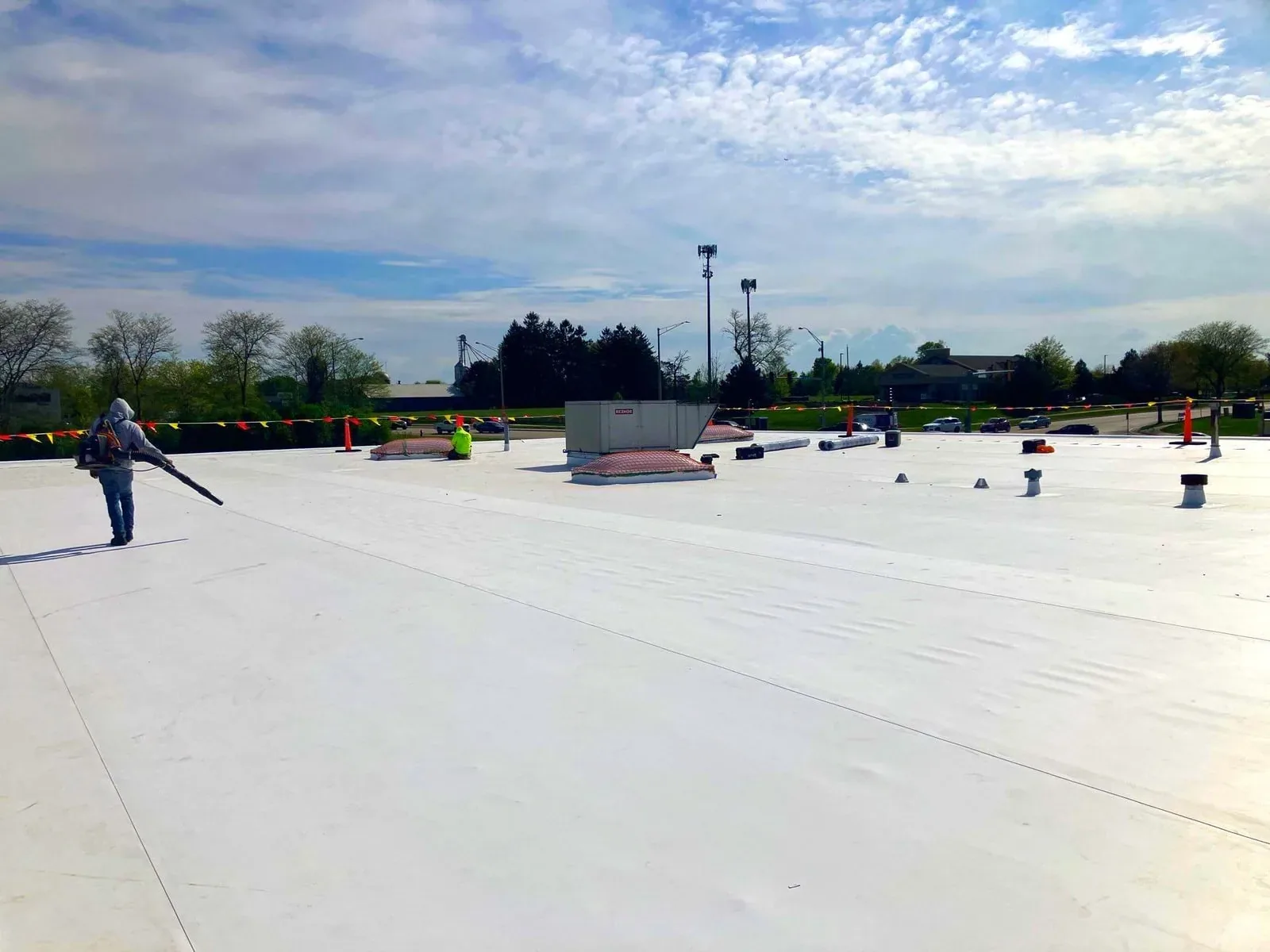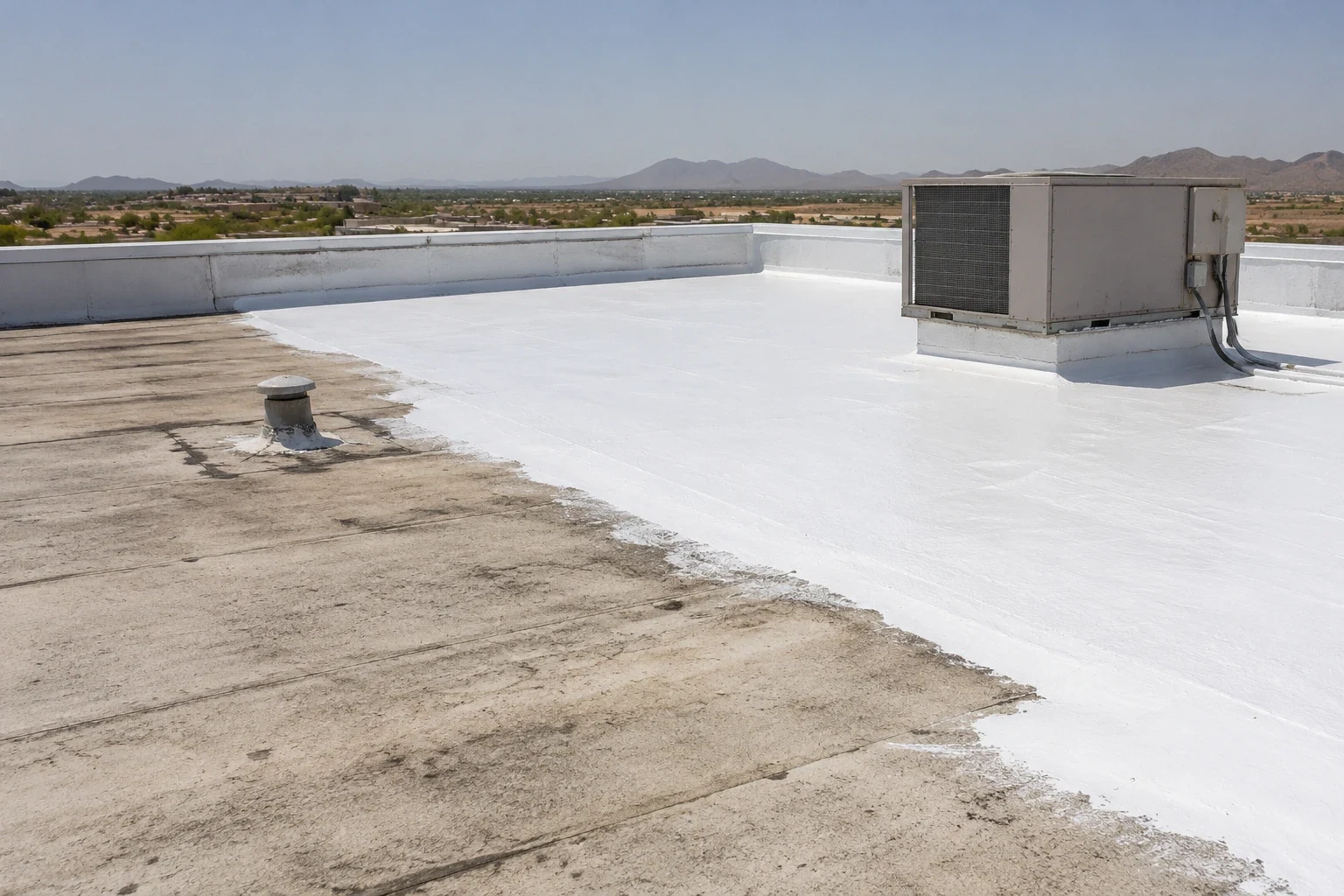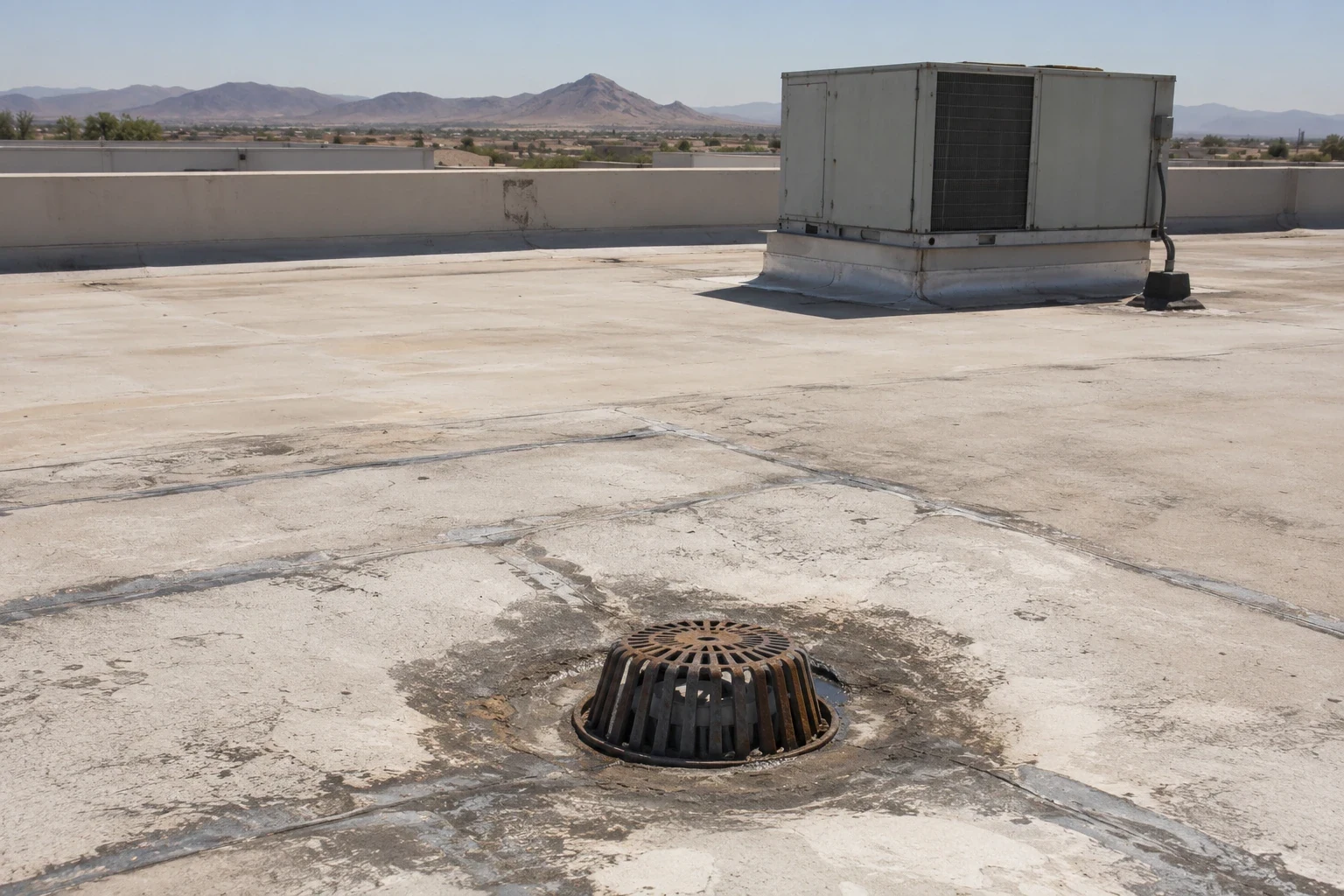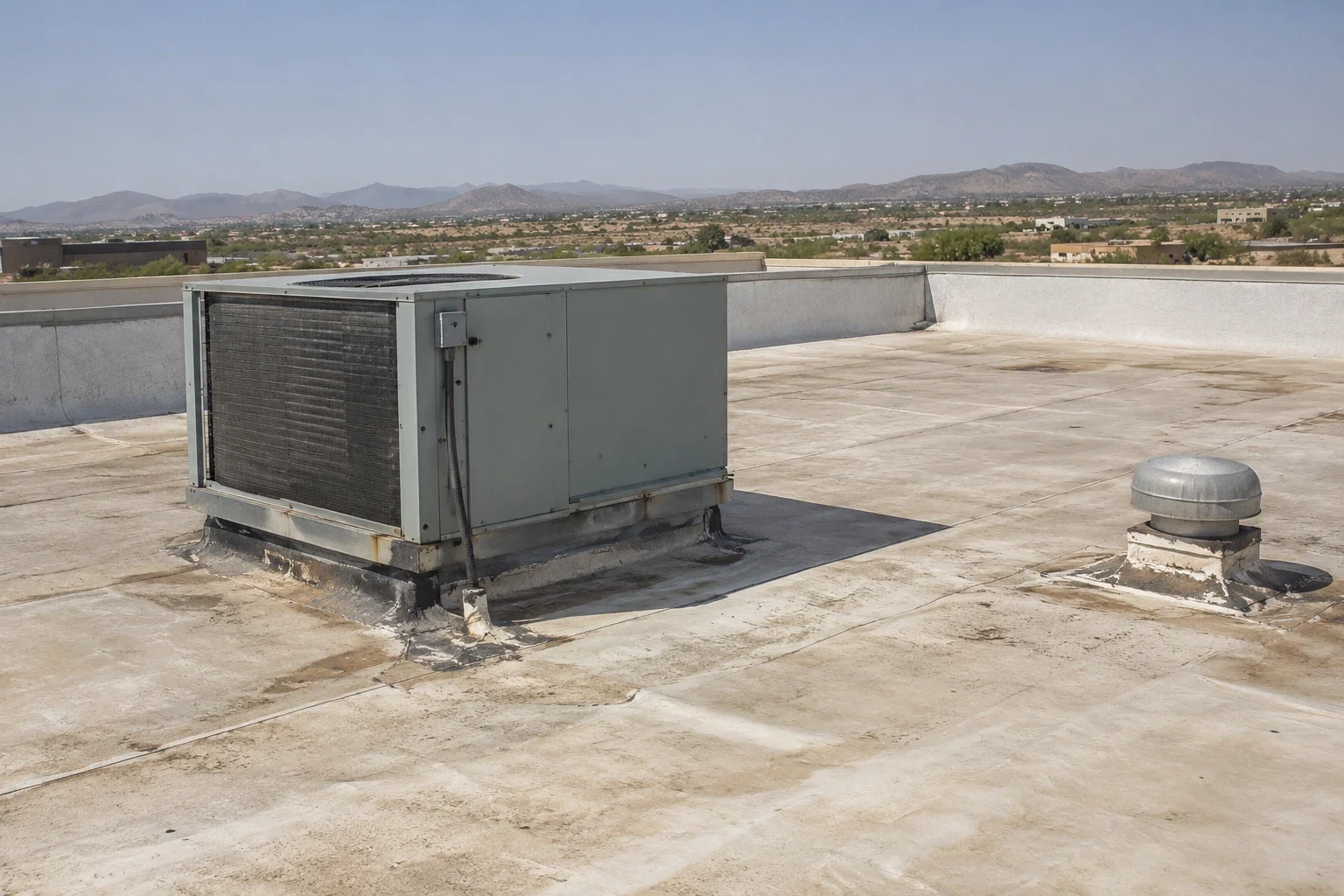
A foam roof can add insulation and create a continuous surface, but only when the substrate is sound and the protective coating remains intact. In Victorville, our first call identifies the roof zone, the activity below, and who can arrange access. We inspect coating wear, penetrations, ponding, foam erosion, and earlier patches. Photos show where the protective layer has thinned or foam may be exposed. The scope separates a coating renewal from areas that need foam replacement or a different assembly.
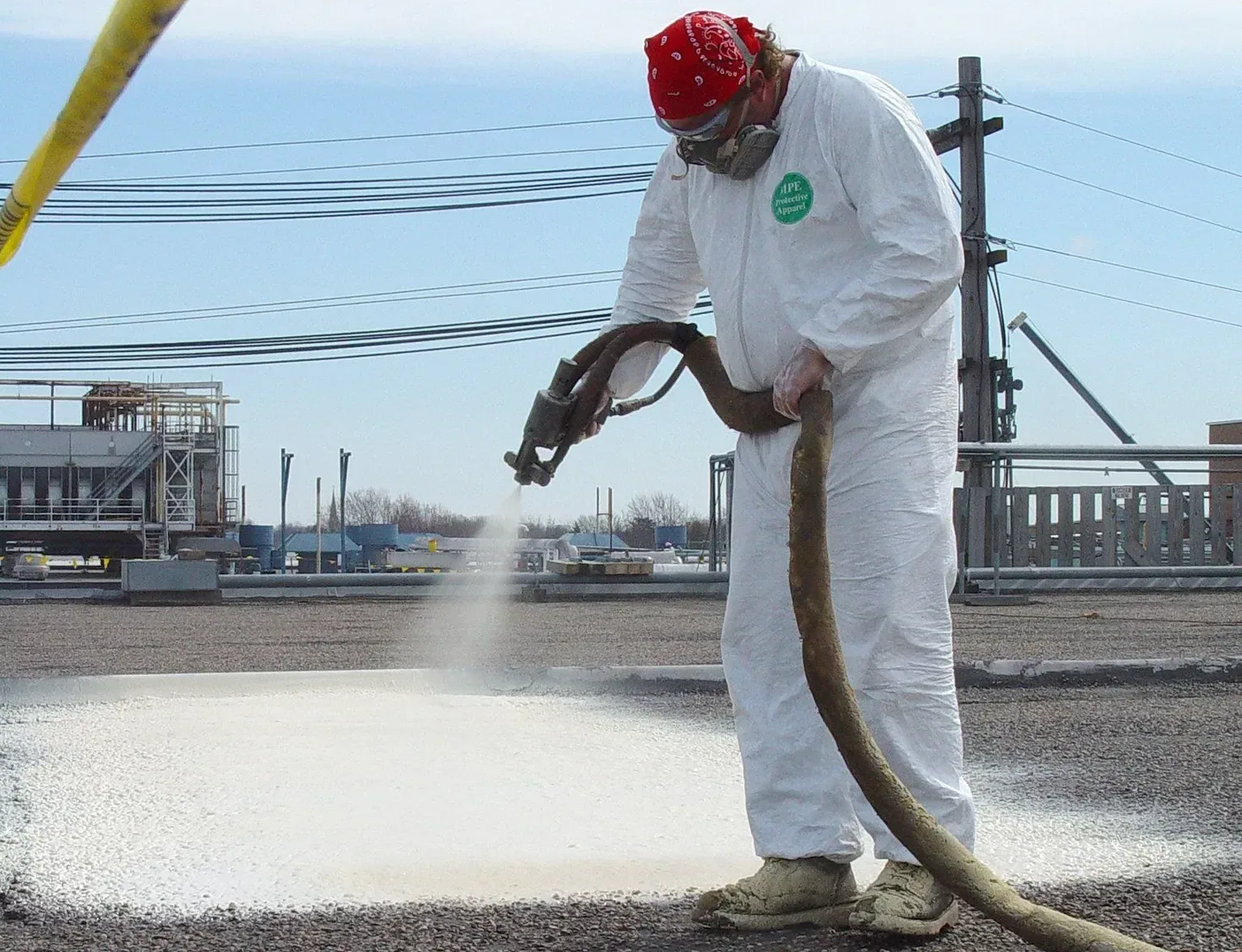
Spray polyurethane foam, or SPF, is applied as a liquid that expands into a rigid cellular layer and receives a protective coating. The finished roof depends on preparation, application, drainage, and upkeep. Texture or color alone does not tell whether the foam is dry and bonded. We check representative conditions and identify where an opening is needed. For another low-slope approach, compare TPO roofing before deciding whether another SPF restoration cycle is appropriate.
Inspect the outer skin first
SPF relies on its coating to limit ultraviolet exposure and protect the foam from weather and roof traffic. Near a walk path, curb, drain, or support, we look for wear, impact, cracking, and retained water. If foam is visible, the scope records affected area and depth rather than only color change. We test for moisture and adhesion before patching. Coating over a wet or contaminated substrate can hide the condition and complicate repair.
The Victorville weather-station record documents strong summer heat in its historical period. Current surface conditions and product instructions still govern the work window. We verify weather, substrate, and application limits before scheduling. If the foam remains sound, coating restoration may fit as a defined scope. Deeper moisture or erosion needs damaged foam removed, the profile rebuilt, and the surface recoated instead of sealing over it.
Shape the foam to shed water
SPF roofs are formed with slope, so low spots and abrupt transitions need attention. We check whether the profile directs water toward the outlet or leaves a basin. A coating follows the existing shape, it does not create slope by itself. If a repair changes elevation, the tie-in must blend without a ridge that redirects runoff toward a curb or wall. The scope says which elevations are rebuilt and how the drain route remains protected during work.
Victorville code information lists a roof-drain sizing reference. That is a design input, not a finding about a property's runoff. The site visit records actual low spots and each outlet. Victorville's plan identifies the Bear Valley Road and I-15 node as a commercial focus, while approved industrial projects sit east of U.S. 395 north of Mojave Drive. Neither context establishes a foam roof profile. A drain review and condition report can document elevations and the water route.
Separate coating renewal from foam repair
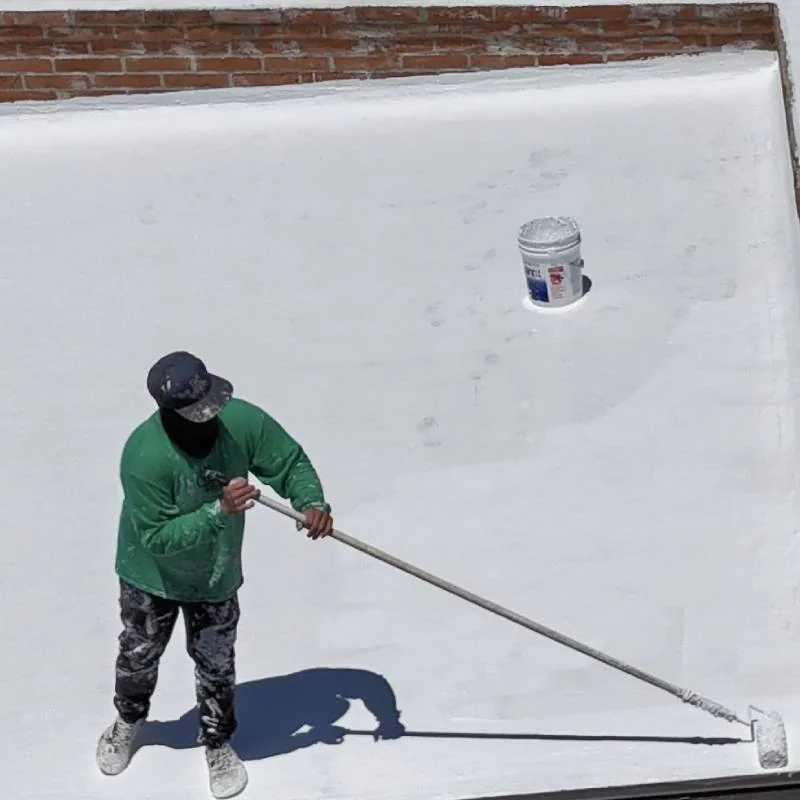
Coating renewal fits where foam is dry and bonded but its protective layer has weathered. Foam repair is needed where insulation itself is damaged, exposed, or soft. Those scopes have different preparation and quantities. We mark the boundary, note how new material bonds to the old, and test adhesion if compatibility is uncertain. A coating specification should identify preparation, primer where required, reinforcement at details, and finished coverage criteria.
Spray work needs controls around overspray, air intakes, parked vehicles, and people below. We set the application window and define spaces that should remain clear. If tenants operate nearby, a work-zone plan covers access and communication. A finish such as silicone or acrylic depends on the existing surface, water exposure, and compatibility rather than reflectivity alone.
Protect service paths and equipment details
Walk pads or designated routes protect coating where technicians reach HVAC equipment or drains. Crossing unprotected foam can damage a sound surface. We identify service paths and supports before restorative work begins. If equipment moves, its curb and flashing must fit the profile. A curb and equipment-support scope can protect the water path around a new penetration and keep the repair from ending at a fragile edge.
Victorville's approvals describe planned industrial development across named sites, not a count of completed warehouses or roofs. An operating building may need roof visits coordinated with dock activity and shift changes. We confirm actual access and staging conditions, then keep materials clear of drains. For an active distribution property, a warehouse-specific review can link roof access to operations. A Victorville assessment records the coating and leak history without assuming how another site is built.
Make the maintenance cycle visible
A useful SPF scope states whether work is coating renewal, localized foam replacement, drainage correction, or broader restoration. It lists test locations, preparation, repairs, coating, reinforcement, and detail treatment. Photos show pre-work conditions, exposed foam or wet material, and the completed surface. The record distinguishes coated areas from those intentionally left for future work. It can also map service paths, outlets, and equipment that could damage the finish later.
Routine reviews look for thin coating, impacts, failed patches, debris, and new service penetrations. We revisit the same roof zones so changes can be compared. Where foam is beyond practical repair, the owner can compare removal with PVC or modified bitumen. A Victorville roof assessment starts with current coating, leak reports, and access contact, then separates urgent work from conditions to monitor.
Separate damaged foam from coating wear
We mark foam damage by depth and area rather than classify an entire roof from one worn patch. A shallow coating loss, exposed foam, a soft section, and a wet test core call for different actions. The report identifies what was removed, what remained bonded, how the repair feathers into the existing profile, and which finish restores protection. Photos taken before preparation and after closeout let the next inspector compare the same zone during maintenance.
Old Town Victorville contains a planned mix of retail and services, light-industrial uses, homes, and open space. The city also identifies planned industrial areas near U.S. 395 and Mojave Drive. For a foam roof near a loading or service route, the building contact can clarify which doors and equipment paths must remain open. I-15 provides a regional connection but does not set delivery timing at the gate. We coordinate the actual lift and application window with site operations, then isolate air intakes and adjacent areas from overspray. That work plan makes the coating boundary practical for the facility as well as technically clear.
For an occupied property, the closeout should also identify where foot traffic is allowed and which paths need a pad or other protection. Equipment technicians should know where the restored surface meets an older repair and where a new penetration needs approval. If the foam profile changes near a drain, photographs should show the water route after the repair. Those practical notes help prevent later service work from cutting through a recently restored coating or leaving debris in an outlet.
Commercial Roofing Questions
How often should an SPF roof be recoated?
The coating condition, product, exposure, traffic, and maintenance history guide timing. We inspect film and adhesion before setting a recoat scope.
Can a wet foam roof be coated?
Wet or soft foam should be identified and repaired before coating. A new surface over damaged material can leave the problem concealed.
Which finish is better, silicone or acrylic?
The choice depends on compatibility, drainage, ponding exposure, traffic, and product requirements. We review the old coating and water path before specifying a finish.
Can equipment be installed after restoration?
Yes, with a coordinated support or curb detail that preserves insulation and flashing. Equipment work should include a protected access route and coating tie-in.