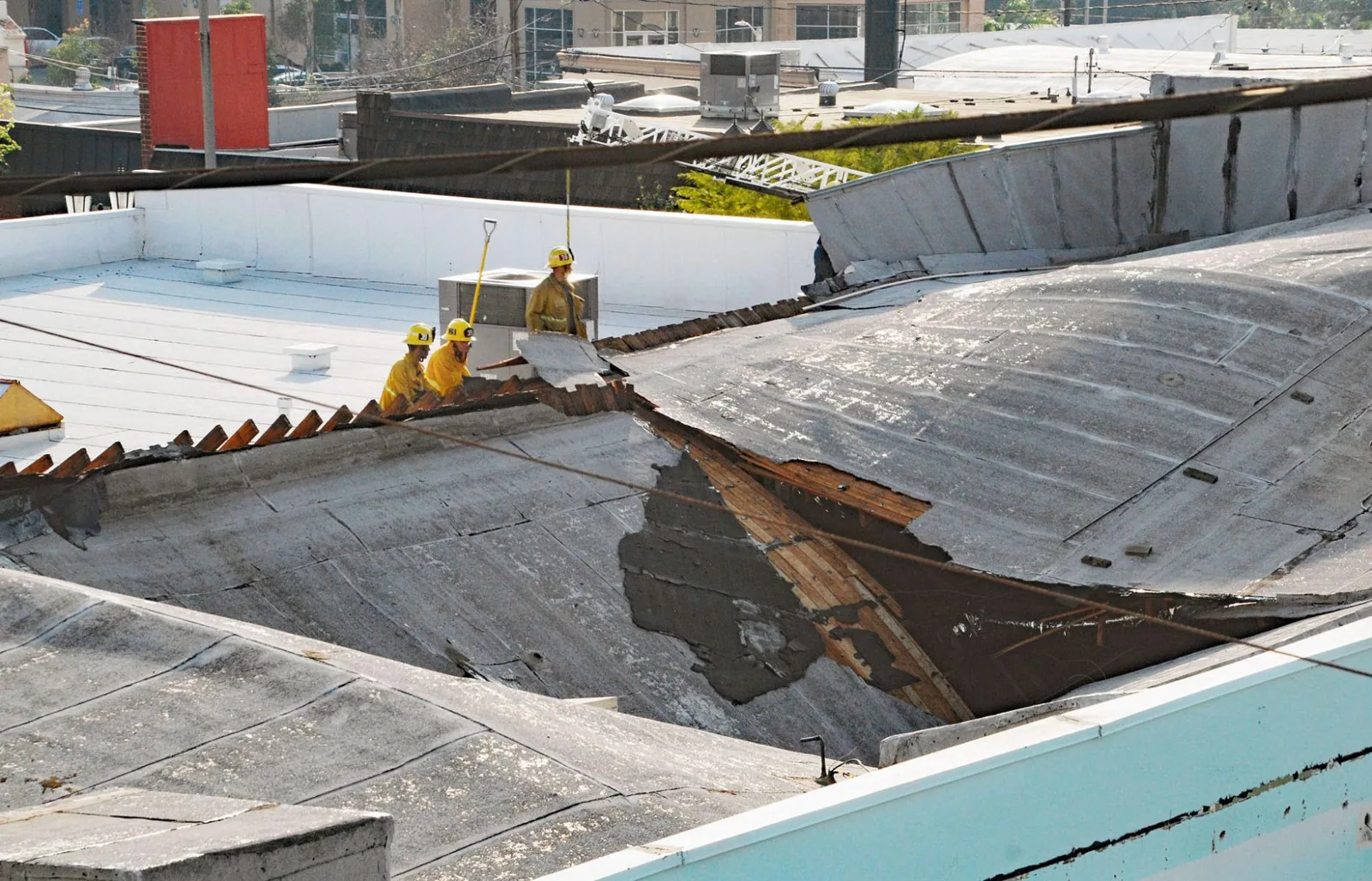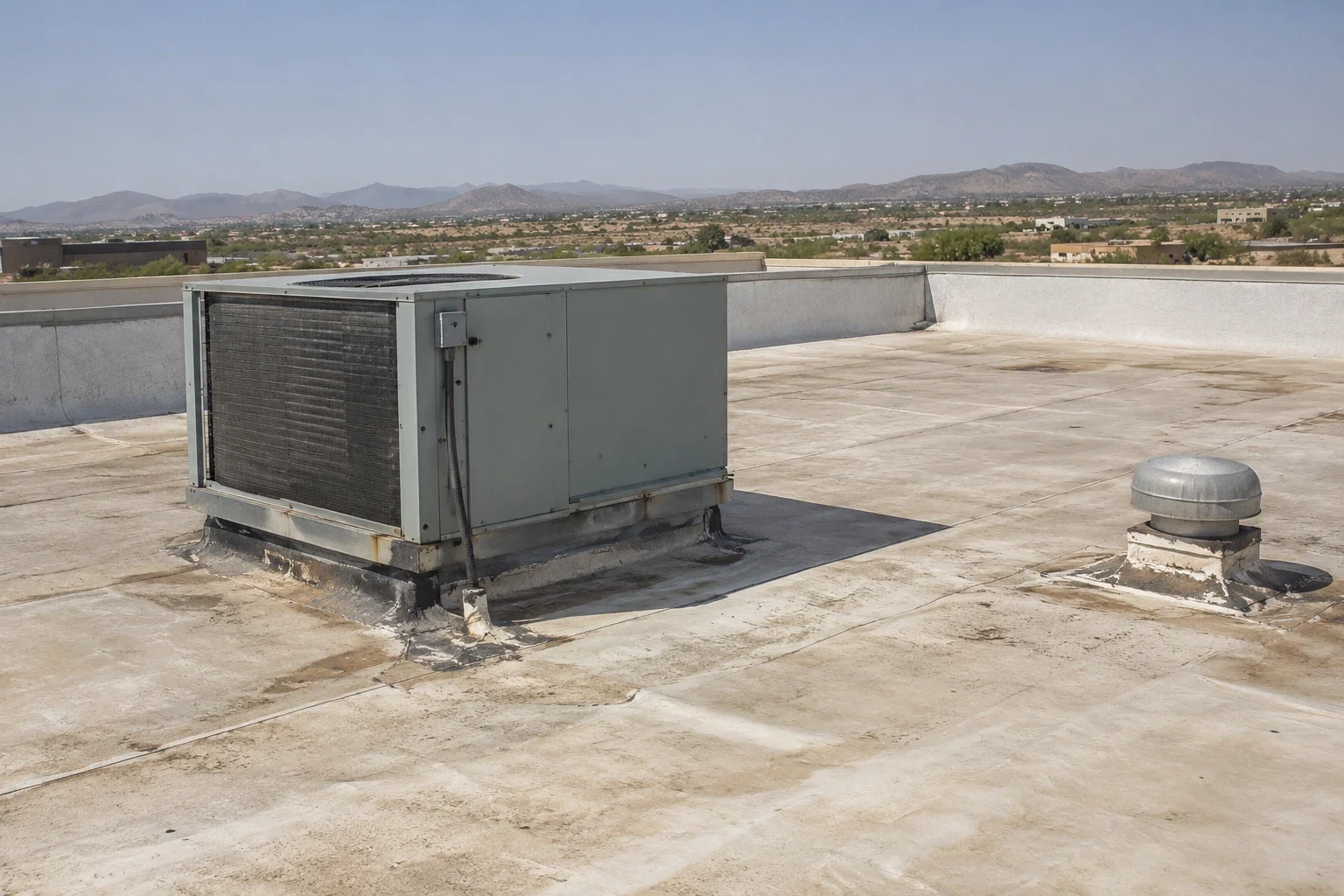
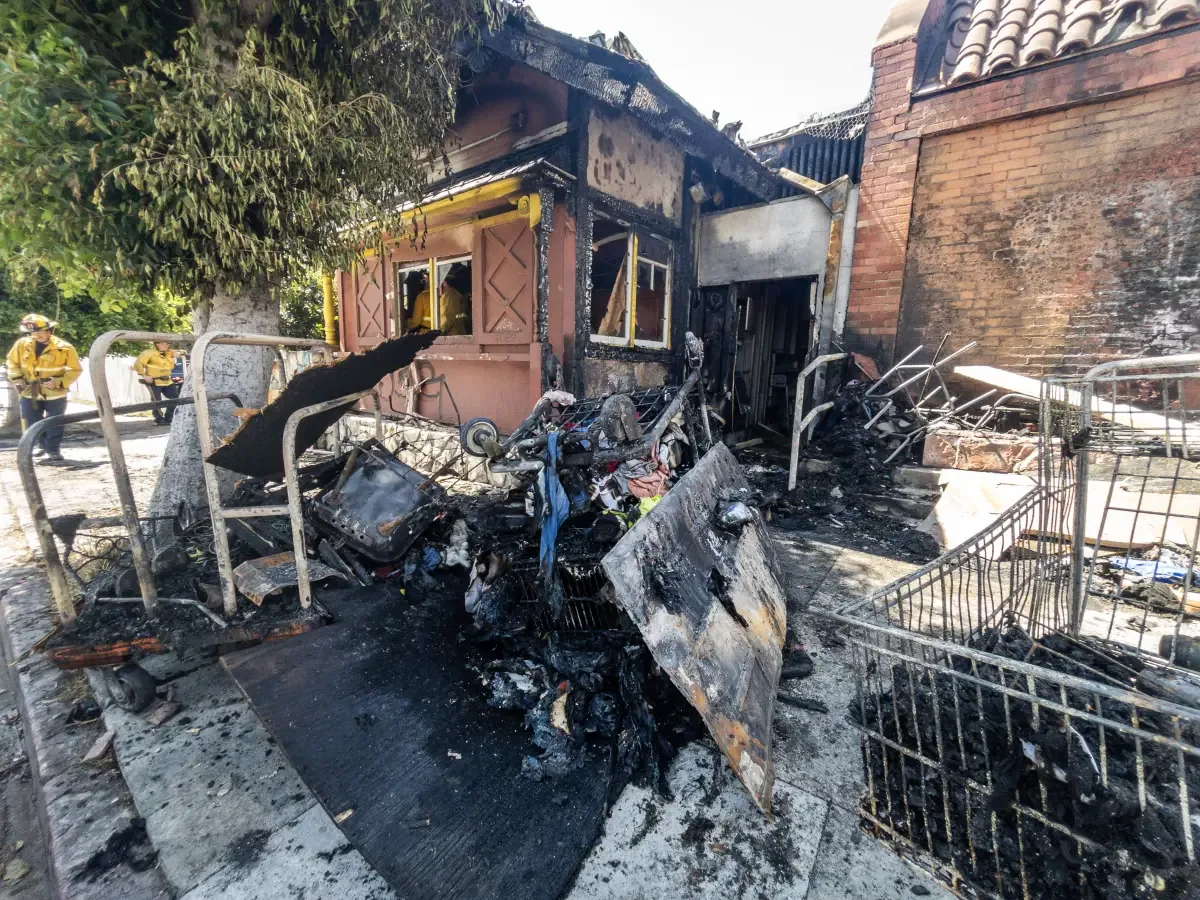
After a roof-level fire or nearby equipment event, the first report should identify the affected area, what operations remain active, and who can authorize roof access. We ask whether fire crews used water above the ceiling, whether smoke crossed the roof, and whether temporary covers or equipment were moved. In Victorville, the roof inspection begins only after the property contact confirms the area is safe to enter. We document visible heat effects, openings, residue, and wet conditions before describing what can be repaired.
The city's building-code page lists climate zone 14 and wind design values by occupancy and exposure. Those values do not tell us whether a fire changed a roof assembly. We record present conditions and coordinate concealed-damage review with the appropriate building professional. A roof damage assessment can organize photos and a repair boundary after the site is released for inspection.
Incident record: establish the safe inspection area
We begin with the facility contact's incident timeline, the room below, roof access rules, and any portion that remains restricted. Fire response can involve water, debris, or temporary openings in addition to visible flame effects. We note which observations came from the building team and which we confirm on the roof. If a structural or electrical review is still pending, roof work waits for a safe release. This keeps repair planning separate from a site that has not yet been cleared.
The Eastern Bear Valley Road Corridor is described as a local and regional commercial focus area, while Old Town Victorville has its own mix of planned land uses. Those place descriptions can help a manager identify a district, not the building's current occupancy or incident response. We confirm the property's schedule and safe access directly. A commercial roof inspection then maps damage by zone and notes any portion that cannot be entered.
Surface review: separate heat, smoke, and suppression water
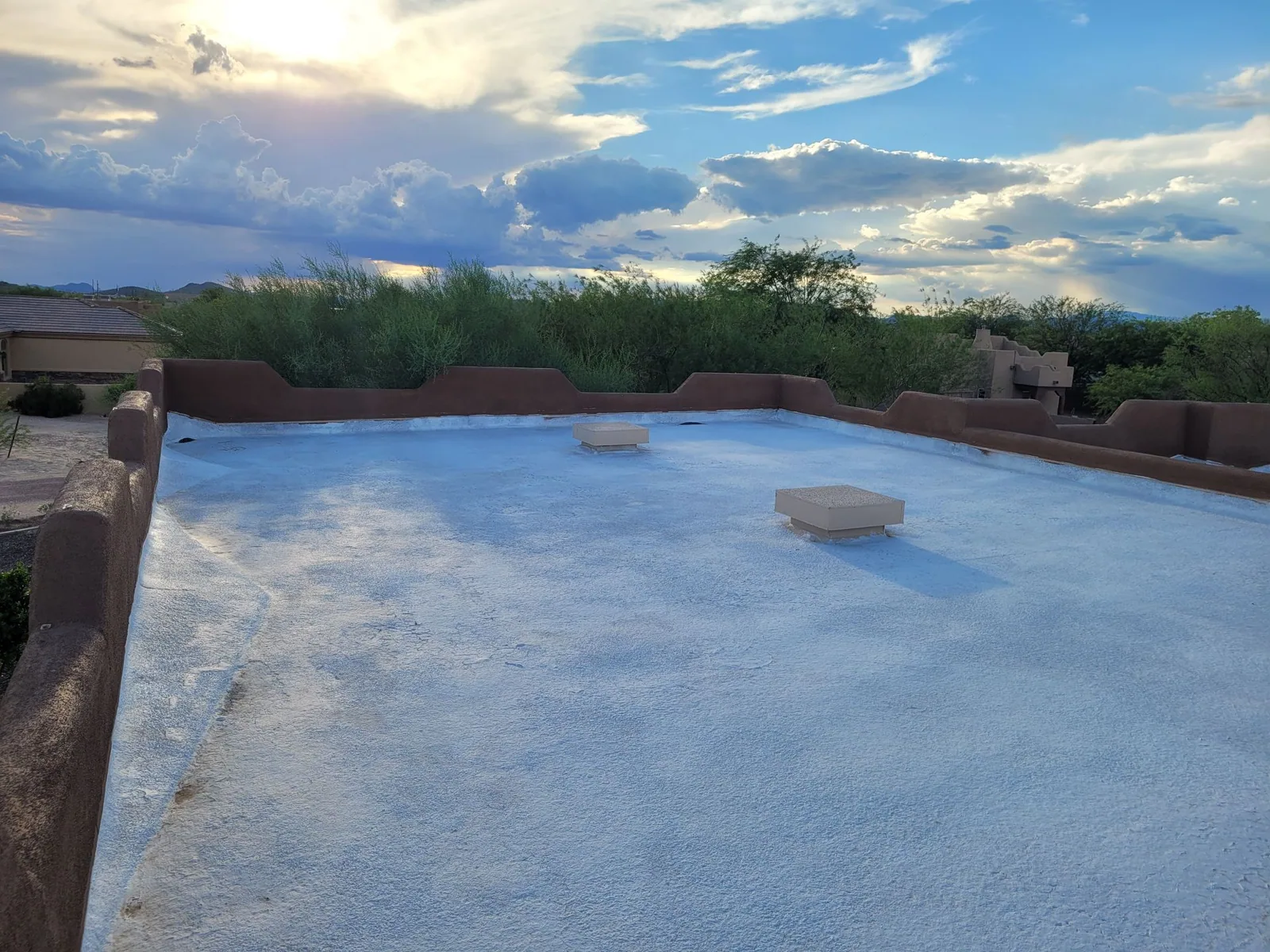
Heat may affect membrane, insulation, decking, flashing, coatings, and metal connections differently. Smoke residue can remain on surfaces that were not directly heated, while suppression water may follow seams and drains far from the incident area. We photograph affected and adjacent zones, identify material changes, and note areas blocked by debris or safety controls. A dark surface alone does not show how deeply heat reached the assembly. A standing-water check can separate trapped water from heat effects.
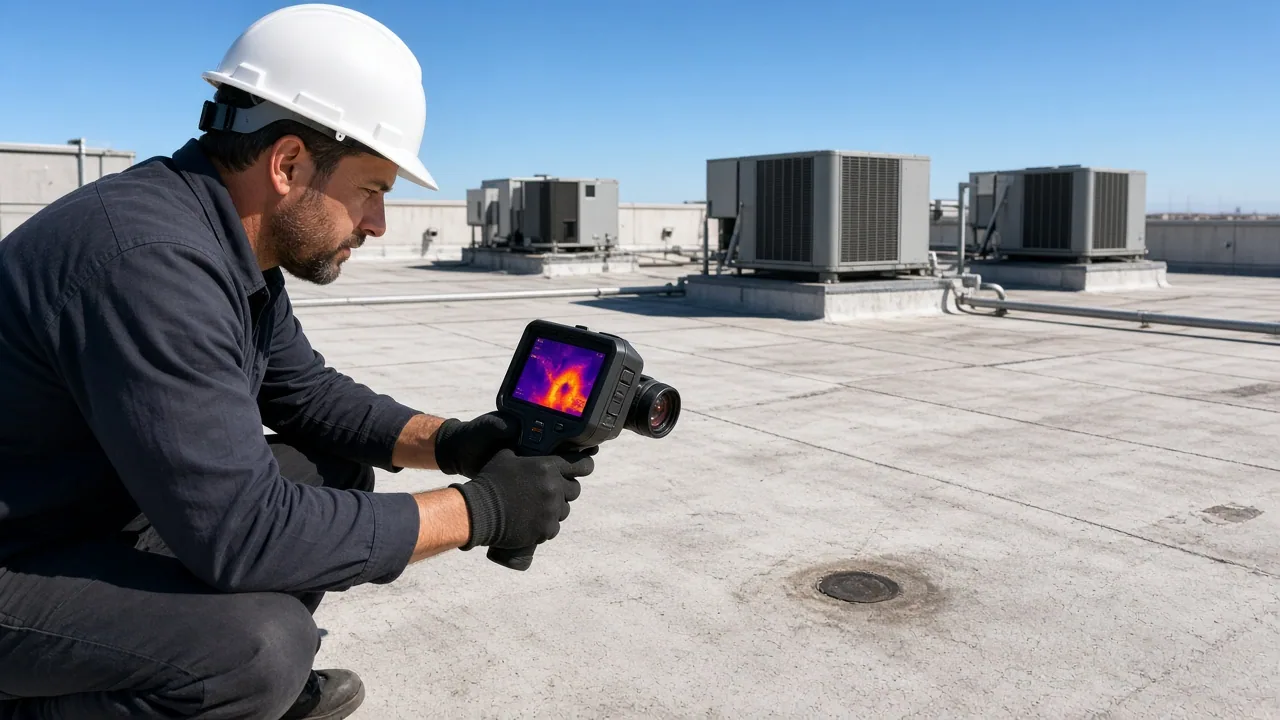
Victorville's code guidance gives a roof-drain sizing input of 2.5 inches per hour. That figure does not measure water used during fire suppression. We inspect drain bowls, scuppers, overflow routes, and any area where water remained after the incident. If the interior report points to a wet insulation zone, a targeted opening may help define the repair boundary.
Assembly review: identify what remains serviceable
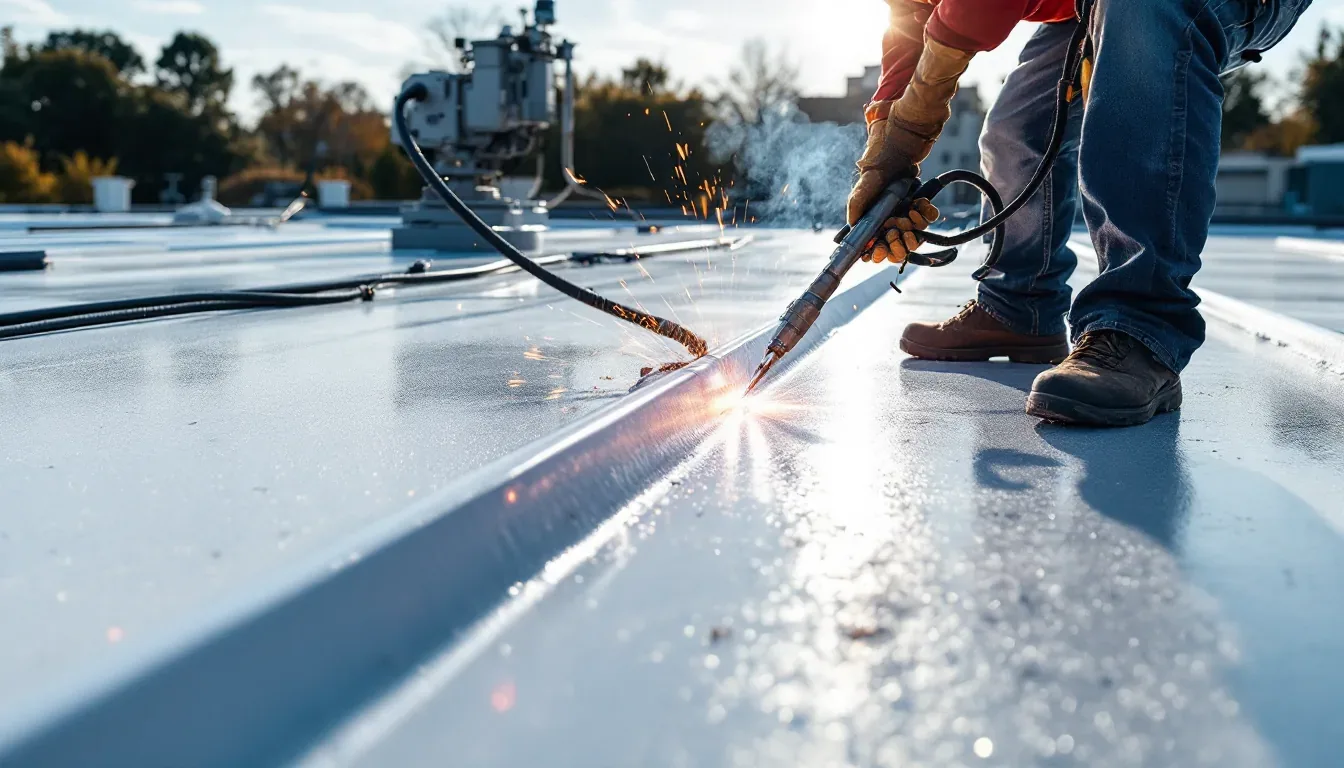
Before repair, we identify the membrane or metal system and check its attachment, seams, flashing, penetrations, and substrate. Fire can damage a localized patch of sheet while leaving surrounding material serviceable, or it can affect multiple layers and a larger area. The scope may require removing debris, opening a section, and documenting insulation or deck condition before replacement limits are known. We do not infer the hidden assembly from a roof's color or the building's use. Material identification supports the repair method.
Victorville's industrial approvals include planned development near U.S. 395 and Mojave Drive and at Foxborough Industrial Park. Those plans describe approved projects, not occupied inventory or the roofing system on any property. In an active industrial setting, we ask the owner which equipment and access routes are safe after the incident. A separate substrate review can set work limits when hidden layers may be affected, while an isolated opening repair is considered only when surrounding material is sound.
Temporary protection: close openings without hiding damage
If an opening exposes the building, temporary protection may be appropriate after the area is safe. We define what is covered, how water is directed, and which surfaces remain exposed or unavailable. The temporary measure is photographed and identified as temporary so it is not confused with a permanent roof repair. If water remains within the assembly or smoke cleanup requires additional access, we coordinate the next visit with the site contact and do not close the area before the necessary review.
For a property near Old Town Victorville's Seventh Street corridor, an occupied tenant may need a separate protection plan from the roof work area. The city corridor does not establish any building's tenant mix, so we confirm the affected suites and access window with the facility contact. A make-safe response can protect a confirmed opening and leave a clear return scope for permanent repairs.
Repair scope: price the confirmed work and open questions
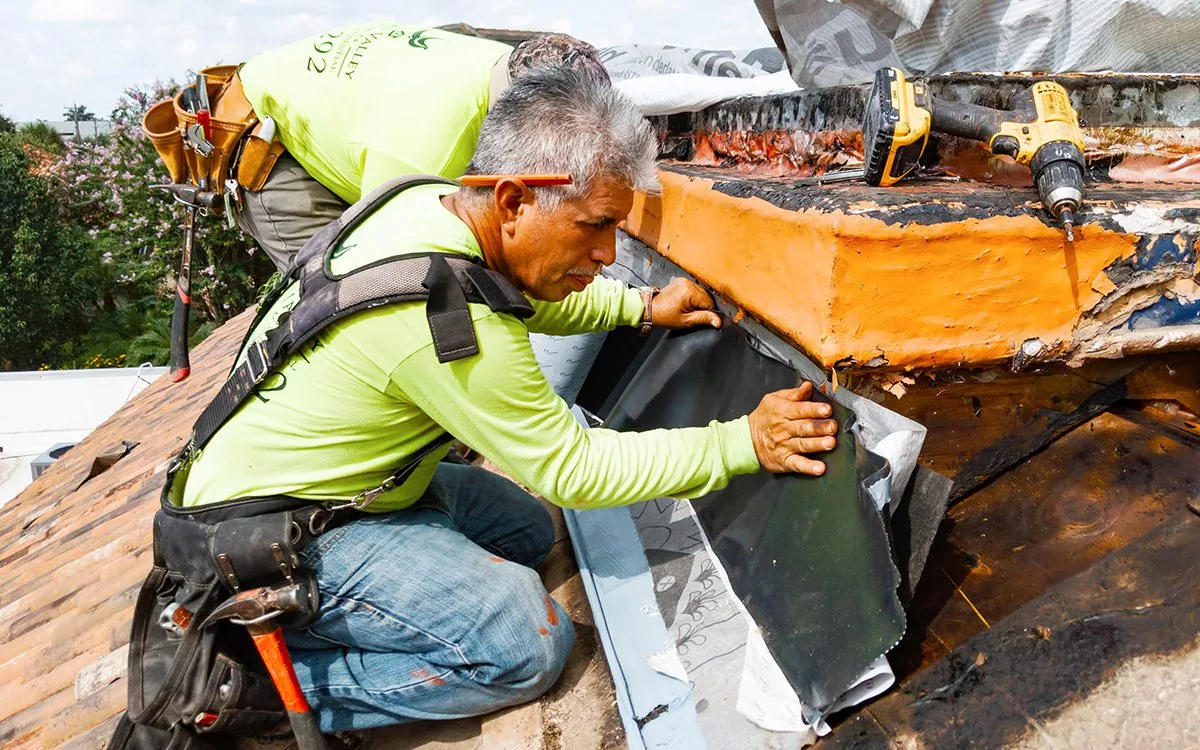
A permanent scope can include removal of heat-damaged membrane, replacement of wet insulation, new flashing, deck repair by the proper trade, and restoration of drainage or edge details. We list each roof zone and the material layers affected. Where concealed damage may extend beyond the visible surface, the proposal states the opening or testing required to establish that limit. Work outside the verified boundary is identified for owner direction rather than added silently after material is removed.
Cost and timing depend on access, safety controls, disposal, dry-in materials, assembly type, damage extent, equipment clearance, and coordination with fire, electrical, structural, or environmental professionals. If the event affects several planes, a condition report can keep photos and open questions together. The written boundary explains what is confirmed and which additional review requires owner direction.
Return sequence: coordinate trades and re-entry
Fire-related roof work may intersect with cleanup, equipment replacement, electrical restoration, and interior repairs. We identify the roof zone each trade needs, protect completed work, and record new penetrations or equipment movement. If the roof must stay open between shifts, a secure tie-in and temporary cover are part of the work sequence. The facility contact receives an update on completed areas, restricted access, and the next inspection point before occupants or vendors return below.
Interstate 15 and U.S. Highway 395 connect Victorville's commercial and industrial areas, but travel access does not answer site-control questions. We use the facility's own check-in procedure, loading schedule, and escort requirements. An insurance documentation scope can align dated photos, affected zones, and repair tasks with the owner’s incident records without assigning cause beyond the observed evidence.
Closeout: keep incident evidence with the roof record
After permanent work, the photo set records the repaired surface, adjacent details, material layers replaced, and areas not included. We list any inspection that remains open and the person responsible for the next access window. If suppression water or debris required another trade, that coordination belongs in the facility record so a later leak report can be compared with what the roofing scope addressed. A roof closeout should show both completed work and boundaries that still need review.
We serve commercial buildings in Victorville and the Eastern Bear Valley Road Corridor. If the incident opened an edge or lifted sheet, a wind-related roof review may help distinguish that condition from fire effects. Call with the affected zone, status of site access, operations below, and the facility contact. We can coordinate a safe inspection and document the repair decision in sequence.
Commercial Roofing Questions
Can you inspect the roof while fire crews are still working?
We wait until the site authority or facility contact confirms safe roof access. The first discussion can still identify the affected area, interior risks, and records needed for a later assessment.
Does smoke residue mean the membrane must be replaced?
Not by itself. We document residue and inspect membrane, flashing, insulation, and deck condition. Material removal follows the observed effect and any separate cleanup or environmental guidance.
How do suppression water and roof leaks get separated?
We record the incident timeline, interior locations, drains, seams, and visible wet areas, then compare them with the assembly. Testing or a controlled opening may be needed where water is concealed.
Can temporary roof protection stay in place until permanent work?
It may remain as a temporary measure if the condition and weather allow it. We mark the limits, state what remains unverified, and coordinate the return scope with the facility contact.
What should the owner provide for an insurance review?
Share incident and access records, interior photographs, prior roof documents, and any safety release. We can provide dated roof photos and a repair scope tied to visible conditions and completed work.