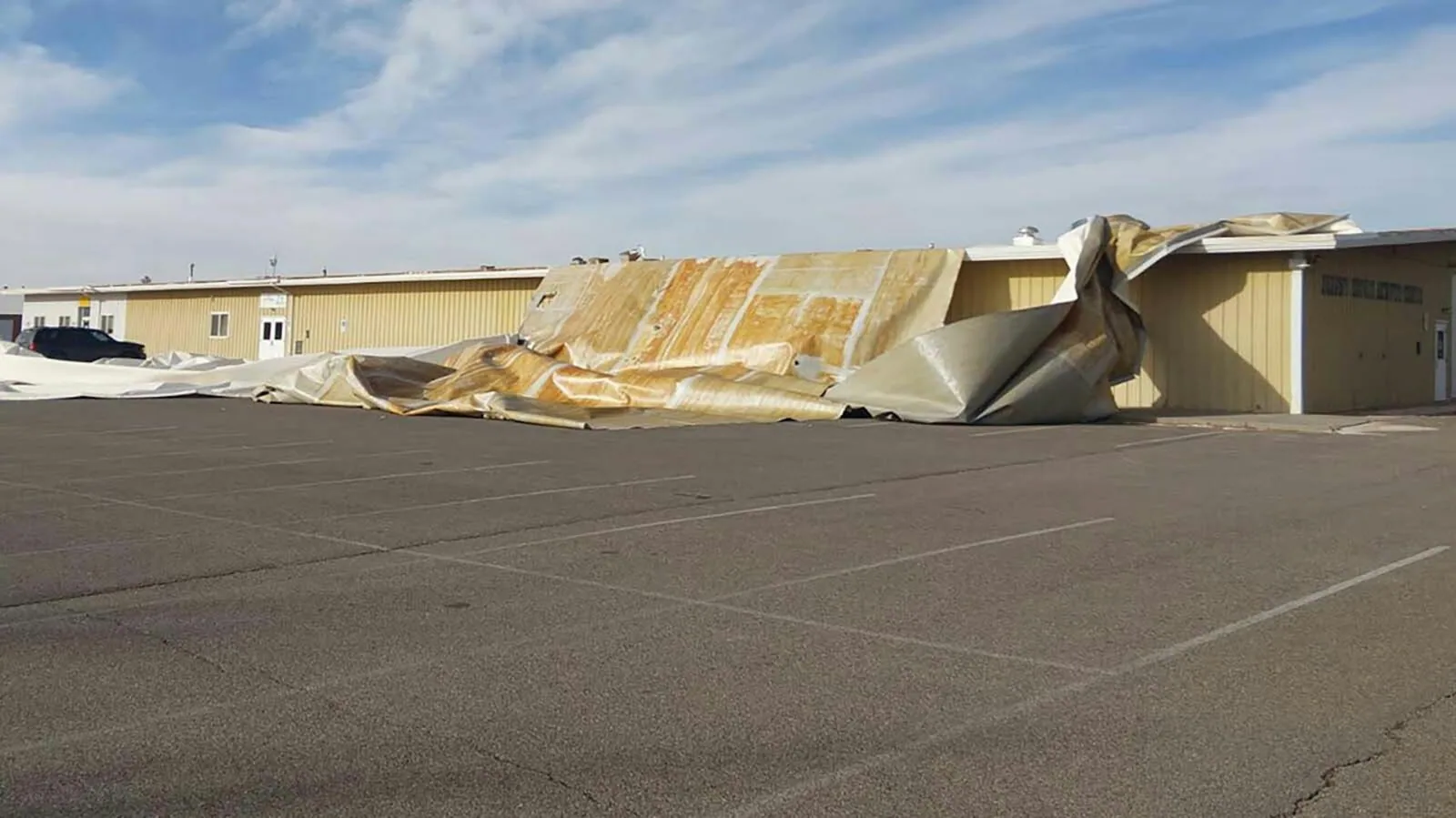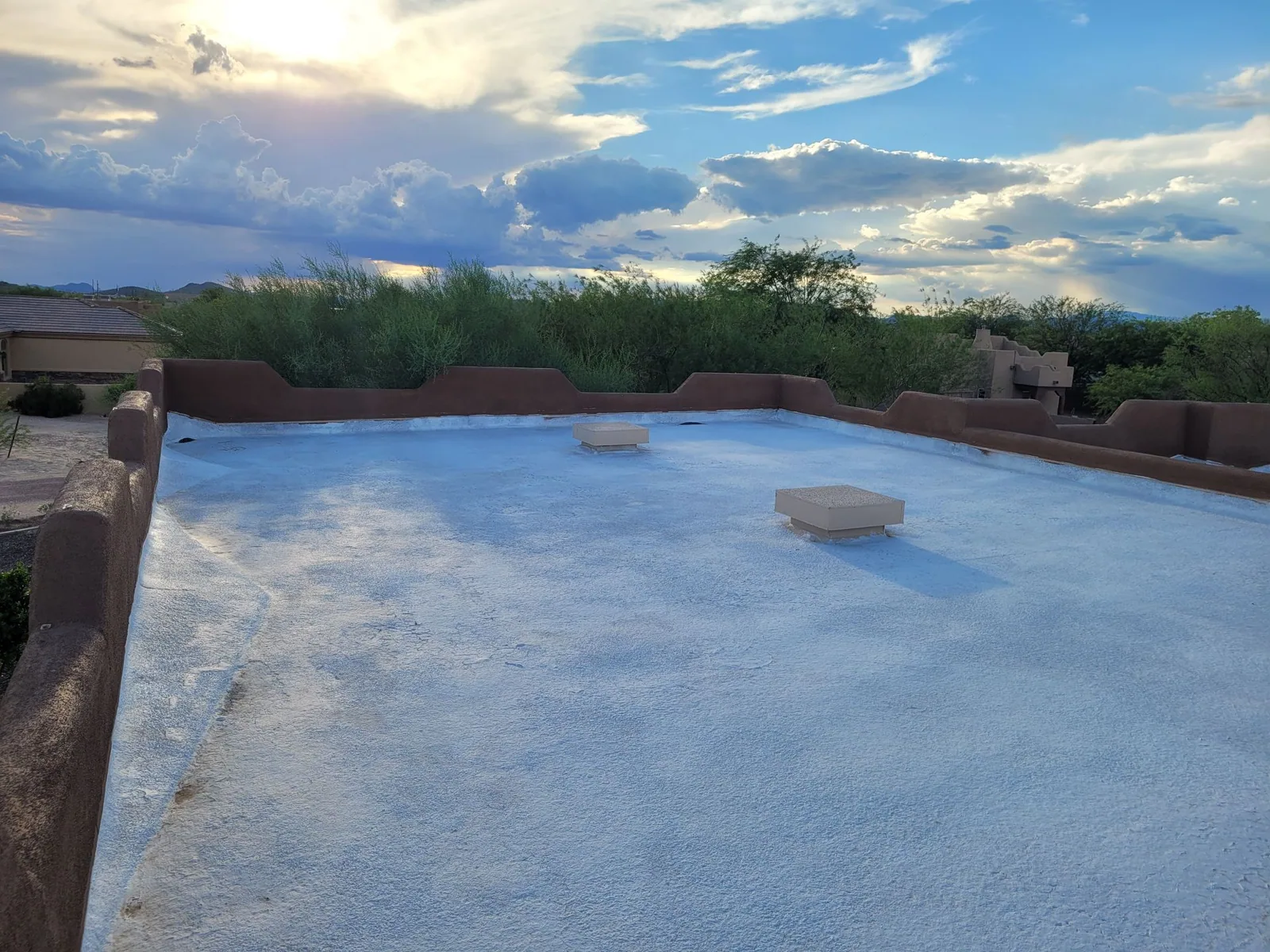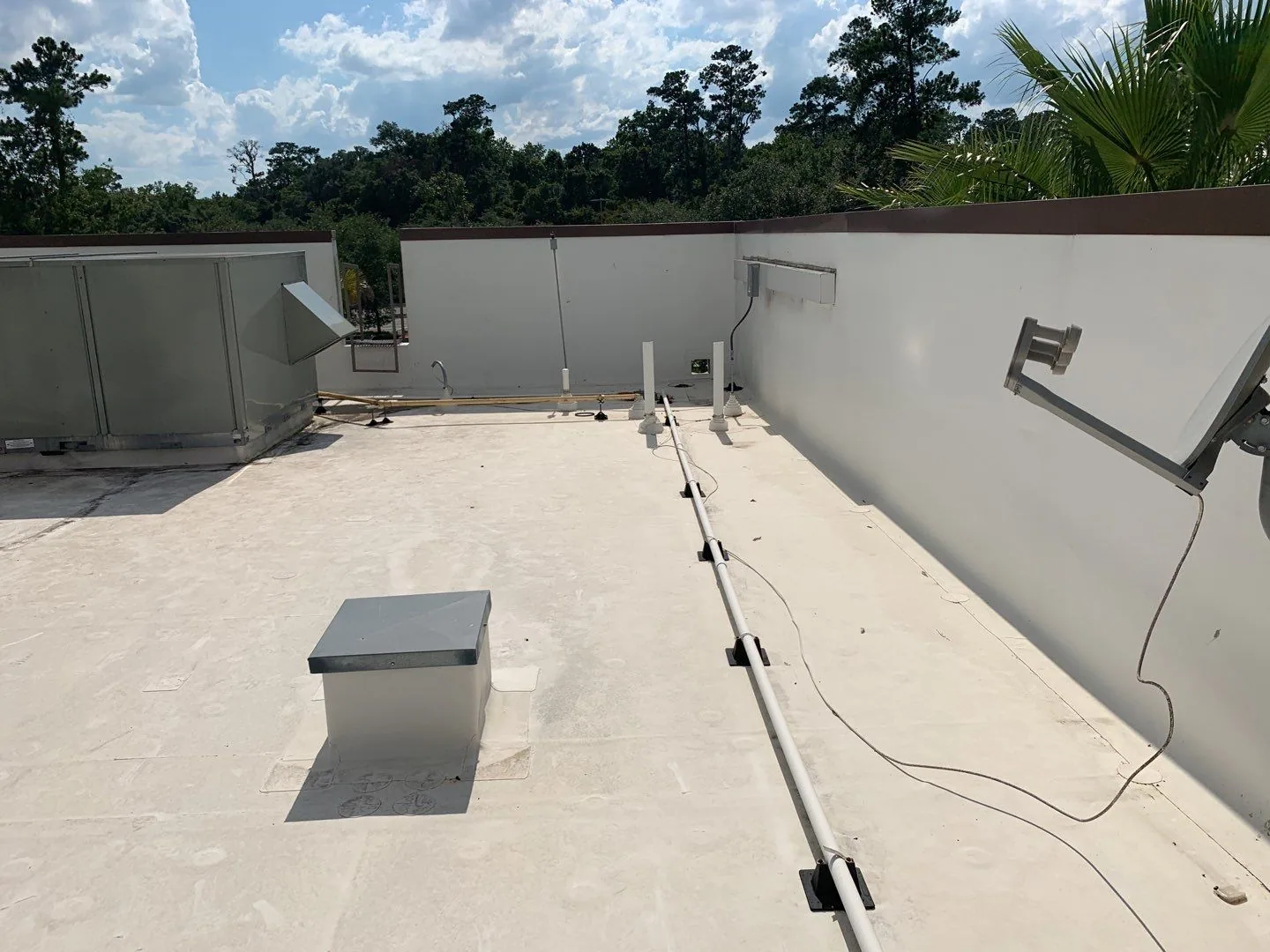
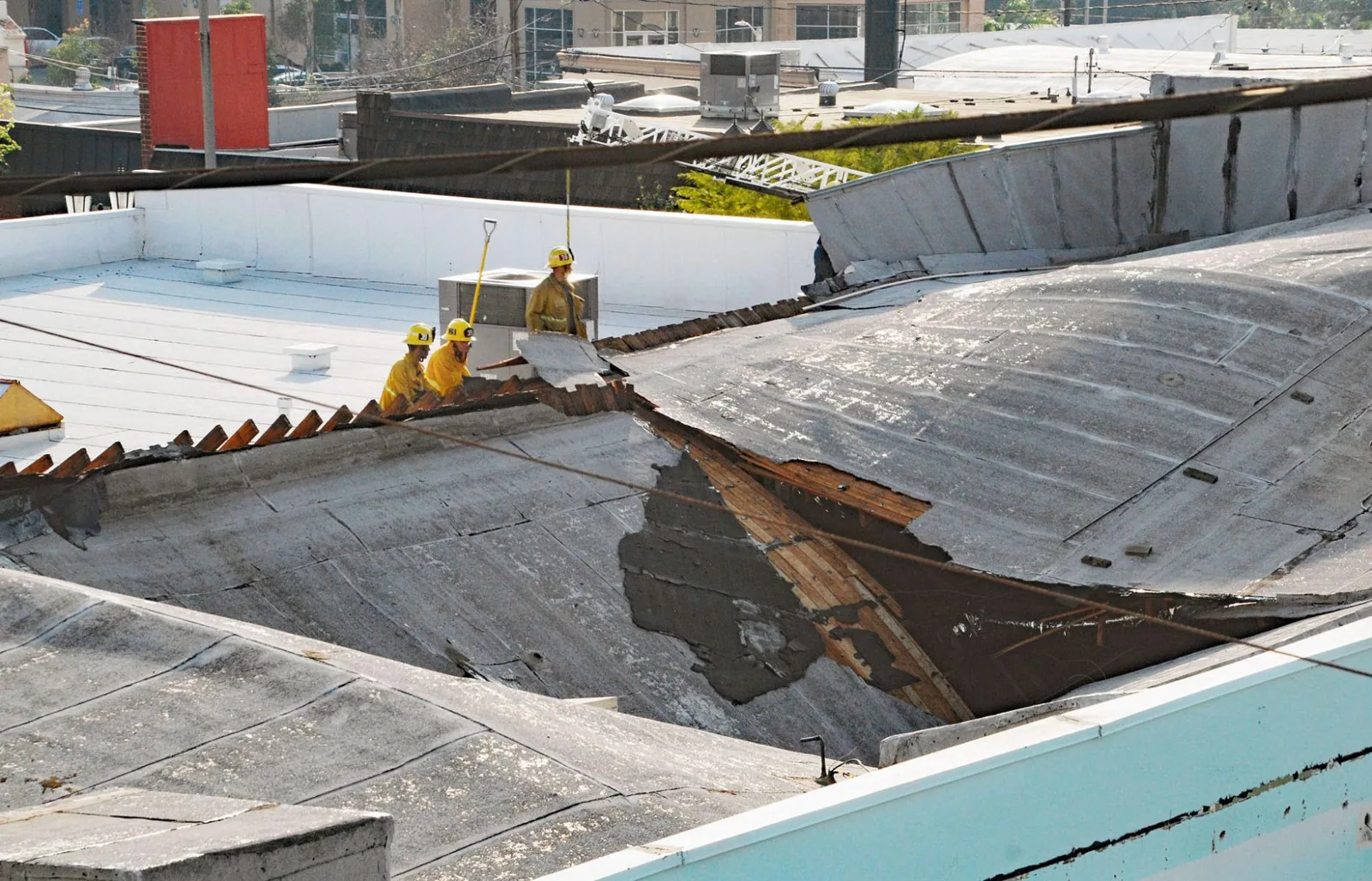
A storm report starts with the affected room, roof zone, and operation that needs protection. A facility director in Victorville may be dealing with water near an interior drain, displaced edge material, or debris around rooftop equipment. We ask what changed, when it was noticed, and who can authorize access before moving toward the roof. The first objective is to make the area safe and preserve a clear account of what is visible.
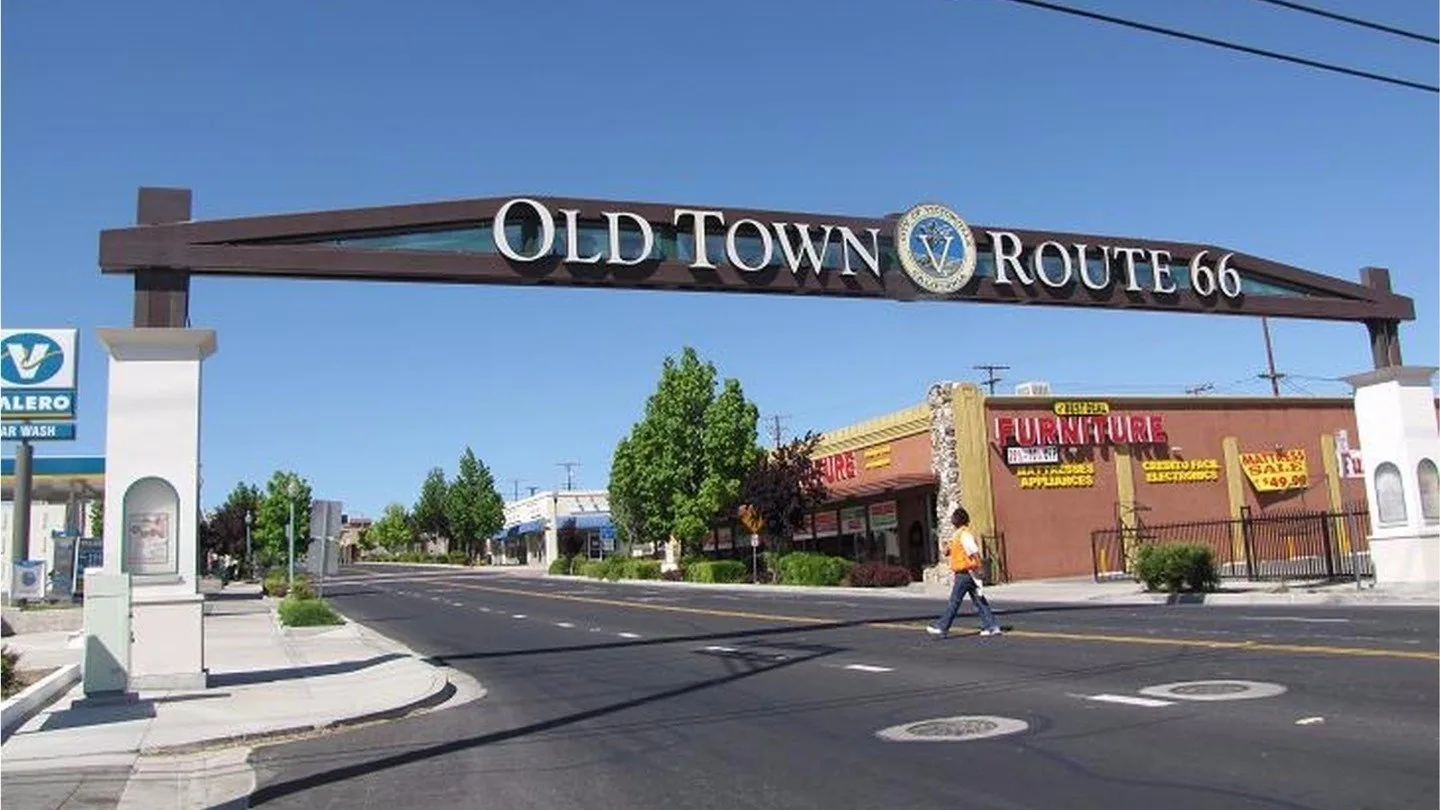
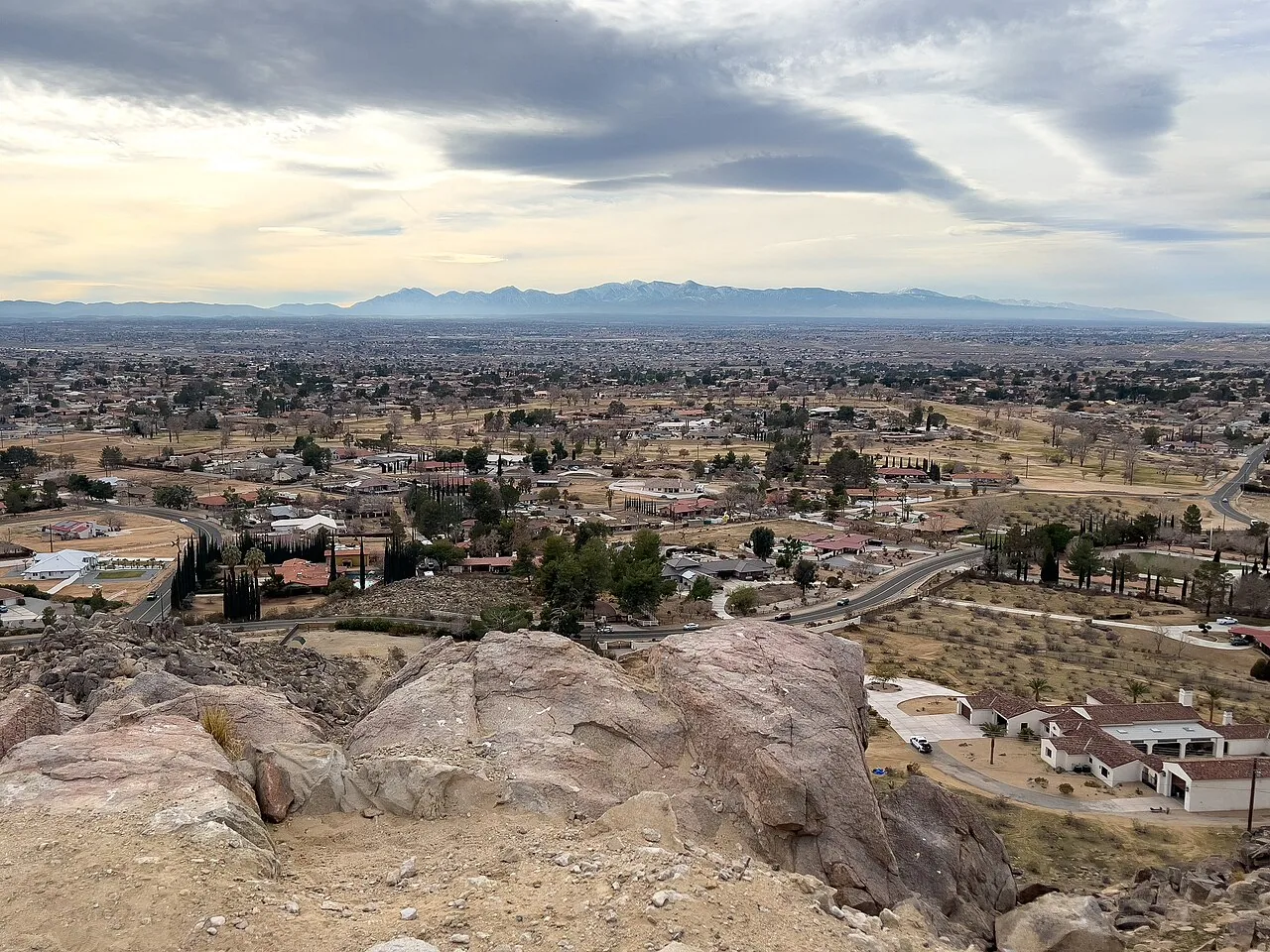
Commercial Roofing Victorville separates temporary protection from permanent repair. The crew maps the reported condition, follows the water path where safe, and photographs seams, drains, curbs, penetrations, and perimeter transitions. Conditions in Old Town or near the Bear Valley Road/I-15 commercial district still require a property-specific inspection; a neighborhood or storm report does not establish what happened on one roof. A property in Old Town Victorville or the Bear Valley Road/I-15 commercial district still needs its own field record. A commercial roof inspection creates that first record.
First call: protect people and operations
The facility contact identifies the room below the reported leak, any affected electrical or inventory area, and the person controlling roof access. If water is active, staff should protect occupants and movable property from the interior side and keep people away from a ceiling or material that appears unstable. Do not send building staff onto a wet roof to trace a leak. We ask whether the condition began during wind, rain, or after a service visit, but treat that timeline as a lead rather than proof of the roof opening.
The handoff identifies the roof entrance, access hours, escort, and person who can approve a safe work boundary. We record the affected area before moving materials or disturbing debris. If the roof cannot be reached safely, we explain what can be protected below and what remains unverified.
Reported condition: sort damage from symptoms
Water on a ceiling is not always directly beneath its roof entry point. It may travel along a deck flute, insulation joint, pipe, or framing member before appearing indoors. We compare the interior report with roof details above and around it, then note whether the visible surface is punctured, lifted, cracked, open at a seam, or simply wet. Wind can move edge components or expose a transition, while rain can reveal a drain restriction that was not obvious on a dry day. Each possibility needs a separate observation.
Victorville's code uses wind design values that vary by occupancy and exposure. Those values are a code reference, not a measured storm speed or proof of damage at a particular address. We use them only as a reminder to inspect edge metal and attachment details carefully, then document what the roof shows. The photo set should tie each close-up to a roof zone and a wider orientation image, so a reviewer can distinguish a single repair from a condition that continues along a perimeter or seam.
Inspection sequence: follow the water path
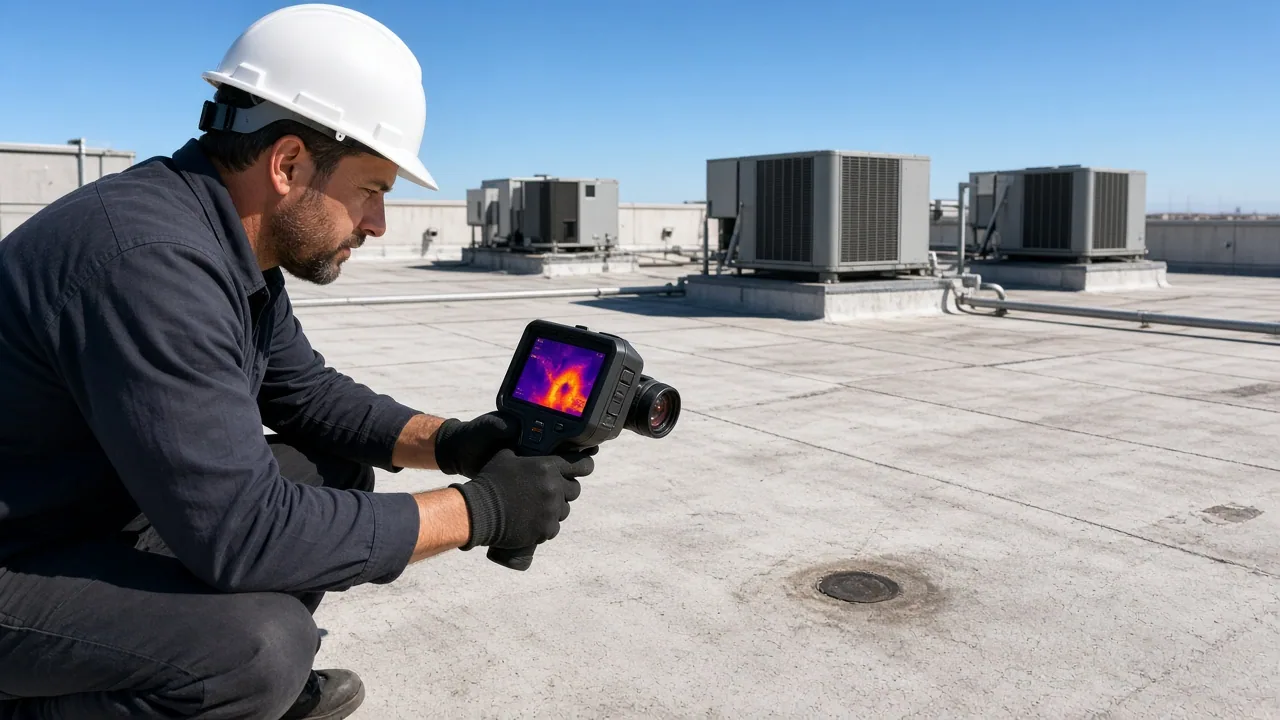
The crew starts with the reported zone and checks nearby drains, low points, laps, penetrations, curbs, wall transitions, and edge conditions. We look for loose or displaced material, fresh cuts, open seams, impact marks, debris, staining, and prior patches. A drain route is checked for visible obstruction and the surrounding membrane is observed for movement or stress. We avoid treating a photograph of standing water as a complete diagnosis; the route, depth, time since rainfall, and surrounding assembly all affect what it means.
When the roof has multiple additions, we identify changes in slope and material before following a path across them. Some findings can be confirmed visually; others may call for moisture testing or a controlled opening that needs owner approval. We record the distinction. A wind damage roof repair scope should identify the actual affected detail, while a ponding water roof repair review addresses drainage and slope separately.
Temporary protection: define what it can do
Temporary protection is a limited measure intended to reduce exposure until a permanent repair can be designed and scheduled. The proposal should state the roof zone, material or method, access needed, and the condition that would require a return visit. A cover, seal, or water diversion may not be appropriate at every membrane, and material placed over a drain or path can create a new problem. We review the assembly and choose a method that does not conceal more than necessary or create an avoidable trip or drainage hazard.
The facility director should know which rooms remain affected, what staff should watch for, and how to report a change. We do not call a temporary measure a completed repair. If forecast conditions, roof wetness, or access restrictions prevent safe work, the sequence may stop after interior protection and documentation. A follow-up visit can confirm whether the temporary work held and gather additional measurements. That record helps the owner decide whether to authorize a focused repair, a larger replacement scope, or further testing.
Repair scope: connect each task to evidence
A permanent repair scope names the observed defect, its roof zone, the compatible materials proposed, and the limits of work. For a seam, it should explain how far the opening extends and whether adjacent membrane remains bonded. For a curb or penetration, the scope identifies the transition and any deteriorated flashing. At a perimeter, the repair may involve an edge assembly rather than the field membrane. Where water has reached insulation or deck, the scope should say what will be opened, how concealed conditions will be handled, and what approval is needed before additional work.
A commercial roof repair visit can convert confirmed findings into this sequence. A roof condition report gives the property team a record that can be compared with later inspections. Photos, dimensions, and repair notes are more useful than a broad statement that a roof is damaged. The owner can then separate make-safe work from permanent correction and budget decisions, and can keep the storm record with existing maintenance and warranty documents.
Operations coordination: schedule the return
Before permanent work, the facility contact confirms roof access, staging, tenant communication, ventilation concerns, and any equipment shutdown or escort. A warehouse loading door, retail entrance, or occupied office may need a protected route below the work area. We agree how debris will be controlled and where removed material may be placed. If another contractor is scheduled, both work windows and roof routes need coordination so that a fresh repair is not crossed or damaged by later activity.
Closeout: leave a usable record
After repair, we review the completed detail against the authorized scope and photograph the finished work from both close and orientation views. The closeout identifies materials used, locations addressed, items excluded, and any follow-up inspection or maintenance item. If the repair revealed concealed damage, the record explains how the scope changed and what the owner approved. A clear boundary matters when a later leak appears in an adjacent roof zone; the team should be able to tell what was repaired and what was not included.
Commercial Roofing Questions
What should we do when water appears during a storm?
Move people and movable property away from the affected area, report any electrical or ceiling concern, and contact the person responsible for roof access. Do not send staff onto a wet roof. Share the room, timing, and any visible change so the first visit can be focused.
Can a roof leak be repaired during the first visit?
Sometimes a safe, compatible temporary measure is possible, but the first visit may only establish protection and document conditions. Concealed wet insulation, unsafe access, or a detail needing product-specific preparation can require a return scope.
Does a storm report prove wind damage?
No. A reported gust or rainfall period helps set the inspection timeline, but the roof must show a related condition. We record visible displacement, open seams, punctures, or other observations and distinguish them from assumptions.
Will you coordinate with our insurance adjuster?
We can provide a dated photo set and repair scope for the property owner to share. The owner and insurer determine coverage and claim handling; our roof observations do not decide those questions.
What information helps arrange a visit?
Provide the property location, affected interior area, access contact, operating hours, and known roof system or repair history. Also identify any immediate safety issue so the first-call sequence can begin from the right point.