A property claim is easier to review when the roof record separates observations, repair work, and owner decisions. After a reported storm condition, Commercial Roofing Victorville can document the affected zone, visible membrane or flashing damage, temporary protection, and the permanent repair scope. The facility contact remains the source for access and building operations; the insurer and policyholder determine coverage and claim handling.
We do not estimate what an insurer will approve. We provide dated observations, photographs, measurements, and a clear description of work requested or completed. A facility in the Seventh Street corridor or elsewhere in Old Town Victorville still needs evidence from its own assembly. Begin with a commercial roof inspection and a storm damage roof repair review when immediate protection is also needed.
Set the record boundary
Before collecting claim material, identify the reported event date or time window, the first interior symptom, and any earlier leak or repair in the same zone. The purpose is not to make a coverage argument. It is to help a reviewer understand which conditions were visible, what happened afterward, and which work was performed to protect the building. We label owner-provided information as such and keep it separate from the crew’s own field observations.
A roof can have prior patches, deferred maintenance, or wear that predates a reported event. Those conditions matter to the chronology, so the photo set should include both the affected detail and nearby context. If records are incomplete, we note that gap rather than assigning a cause without support. The property manager can assemble policy documents, prior inspection reports, invoices, and tenant notices separately. Roofing documentation can describe an assembly and repair need; it cannot interpret policy terms or determine whether a claim is covered.
Site documentation: make each image traceable
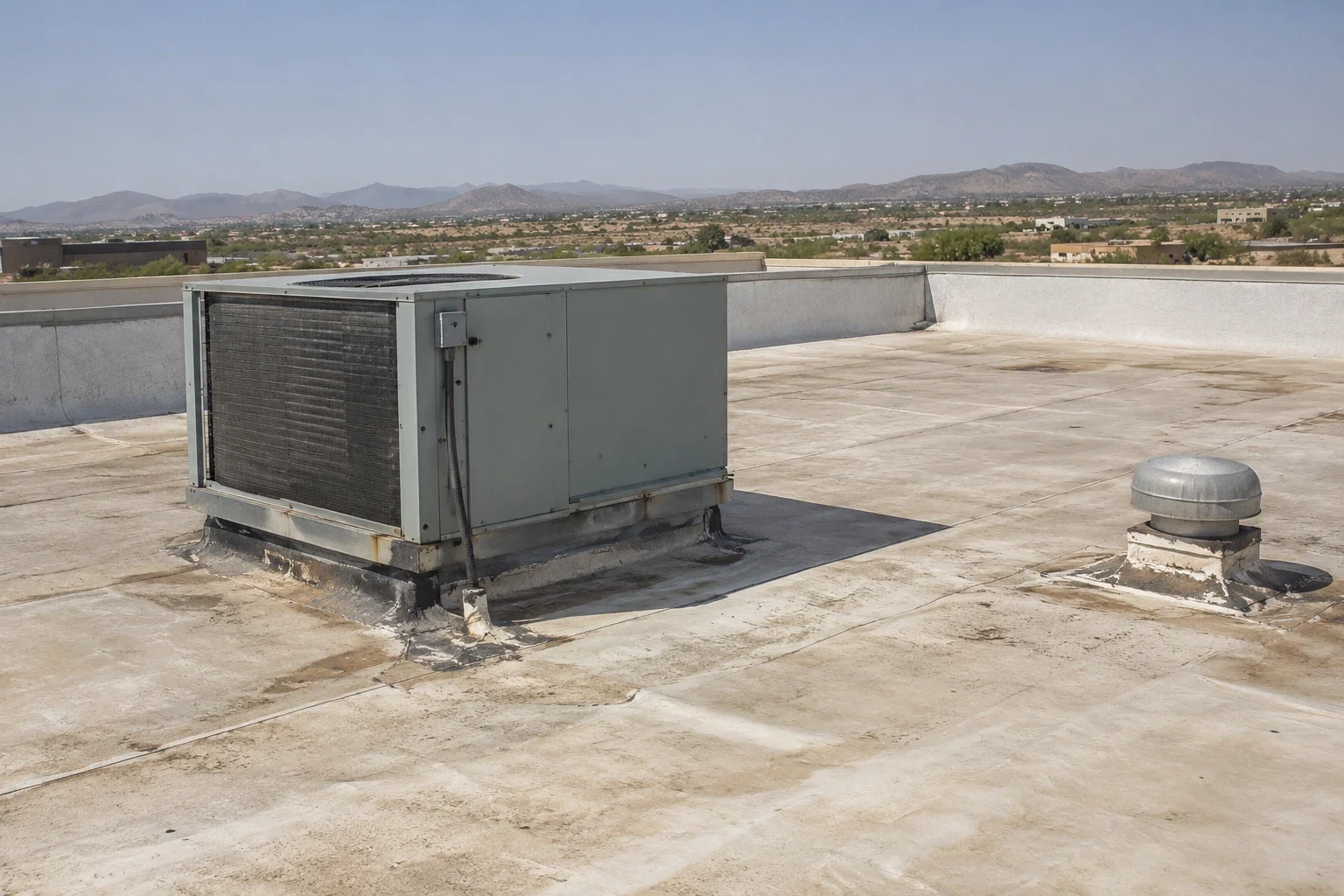
A useful image set starts with a roof-zone map or written location key. Each photograph should show its date, direction or reference point, and enough surrounding detail to place a seam, curb, drain, or perimeter condition. Close images help show an opening or displacement; wider frames show the roof area and path to the affected interior. We also note conditions that could not be reached, tested, or verified during the visit, along with the reason.
The record may include moisture readings, test-cut locations, measured repair boundaries, and material layers when those steps are authorized and actually completed. A value without a method or location is hard to interpret later. We identify whether a statement is a visual observation, a measurement, or an owner report. The roof condition report can organize findings by zone so a reviewer can compare them with an invoice or work authorization without confusing the repair description with a coverage decision.
Event sequence: connect report to field work
The chronology begins with the first report, not with a conclusion. The owner records when water or displacement was noticed, which space or operation was affected, and what protective action followed. Our field record then identifies the inspection time, weather conditions observed at the visit, accessible roof zones, and defects visible at those locations. If temporary protection was installed, the record states where it was placed, what it was intended to protect, and what limitation remained.
Victorville is connected regionally by I-15 and U.S. 395, but those routes do not establish conditions at a claim property. Its historical weather station record is a regional reference, not a measure of conditions at one roof on a claim date. Where a storm report is relevant, the policyholder can retain the appropriate weather documentation separately and ask the insurer how it should be submitted. We do not convert a regional climate or design figure into proof of a covered event. Our role is limited to the roof assembly, observed condition, repair sequence, and supporting documents in the contractor’s scope.
Repair scope: describe work without deciding coverage
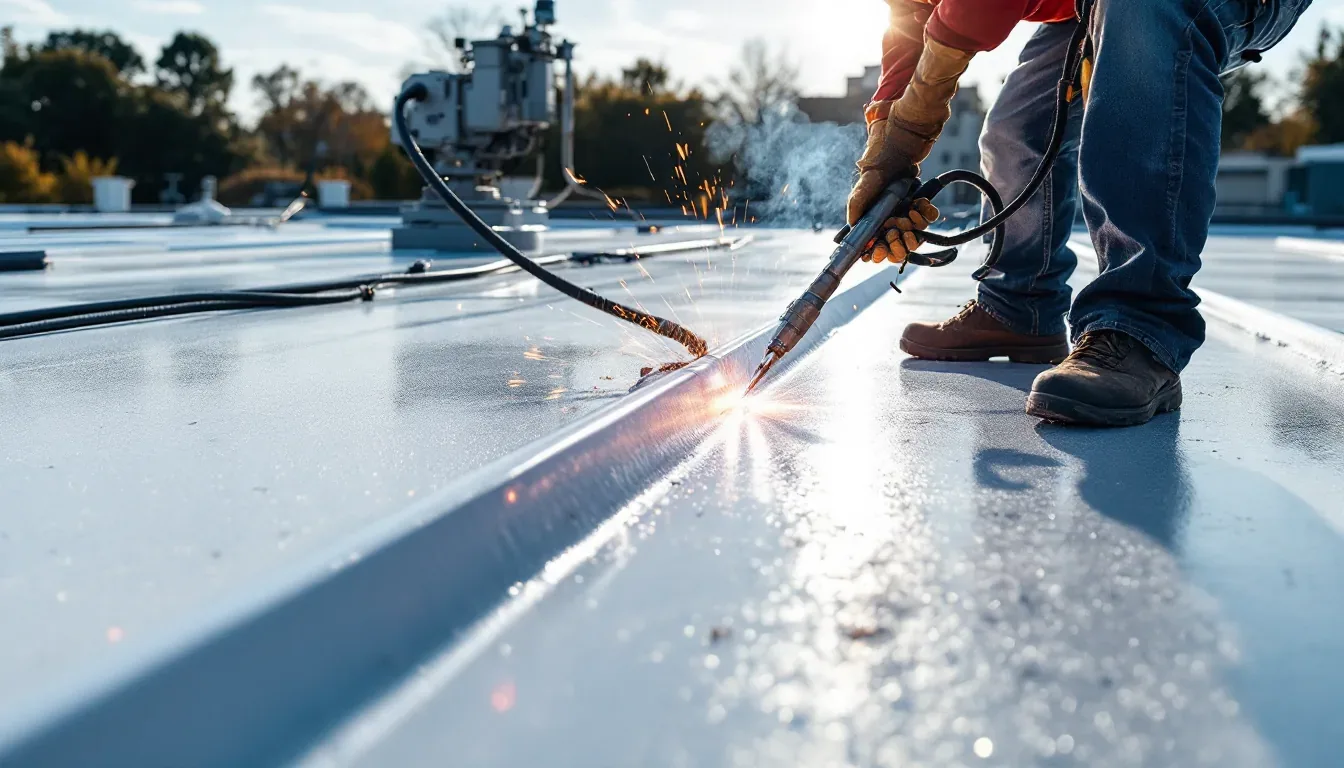
A repair proposal should identify the roof area, defect, materials, access assumptions, and boundaries of work. It should distinguish make-safe work from permanent repair and explain any optional testing or concealed-condition allowance. If a seam repair is limited to a measured length, say so. If insulation or deck may be affected but cannot be seen without an opening, state the approval point before that work proceeds. Pricing should track the described work so a reviewer can see which task corresponds to each part of the roof record.
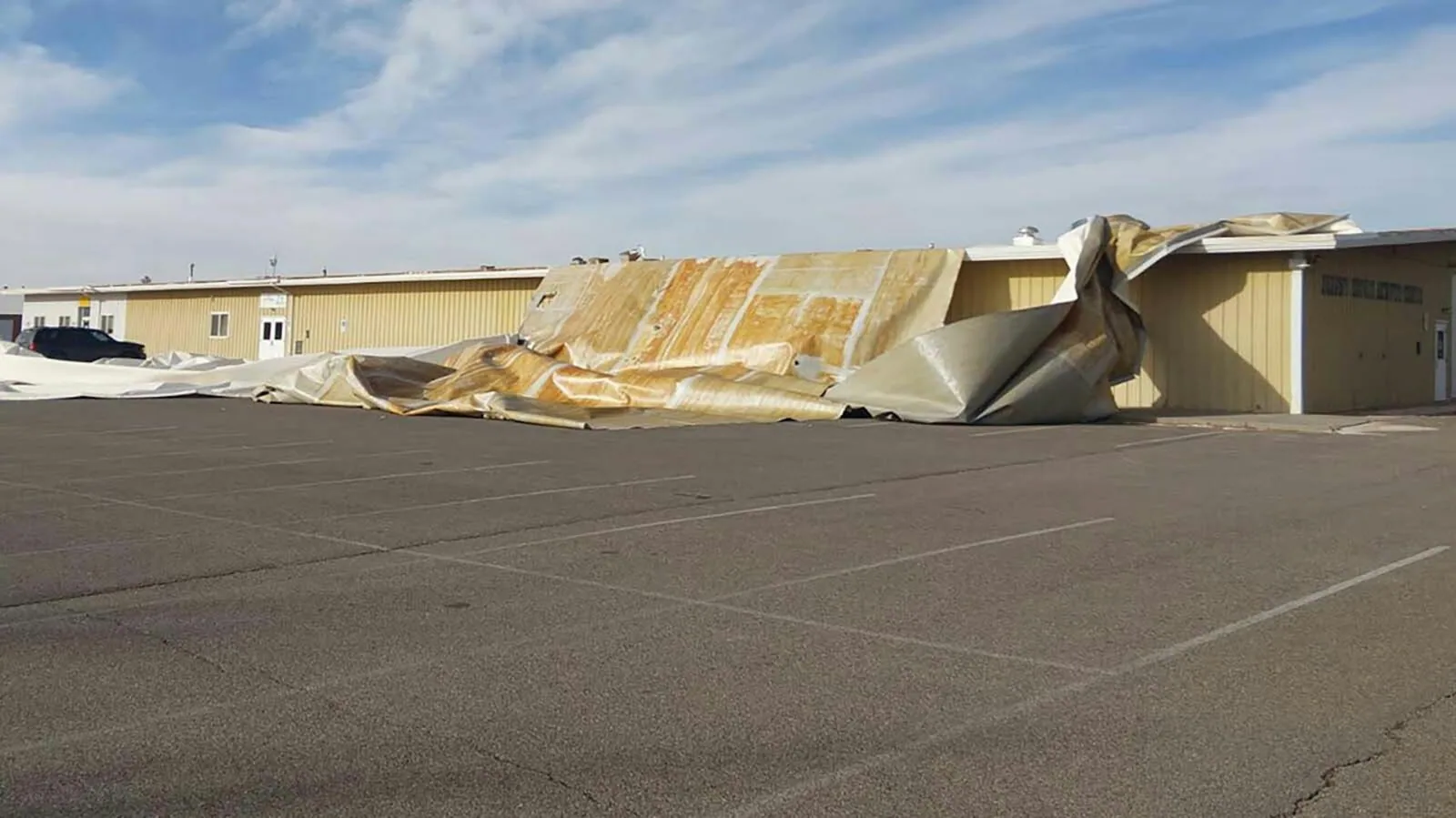
A wind damage roof repair scope may differ from ordinary maintenance or a broader replacement decision. If the assembly cannot be restored reliably, the owner may request a separate commercial roof replacement evaluation. Those alternatives belong in distinct scopes with their own evidence. We can provide a repair description or invoice for work actually performed, but the insurer determines what policy language applies and how a submitted amount is evaluated.
Coordination: keep owner, contractor, and reviewer aligned
The facility contact approves roof access, safety controls, and work windows. An adjuster or consultant may request a joint inspection, but the owner should identify who can authorize access and whether any area requires an escort. We can explain our observations at the roof and point to the corresponding images. If a reviewer asks for a destructive test or additional measurement, the property owner should approve the method, location, and restoration responsibility before it is undertaken.
For an occupied building, claim work still follows the same operating constraints as other roof work: protect the area below, coordinate ventilation and equipment, identify a staging point, and keep records of any changed scope. A roof warranty management review may also be appropriate if the roof has active coverage or required notice procedures. We can gather contractor-side records without substituting for the owner’s notice obligations or the insurer’s process.
Closeout record: preserve what was done
After work, the closeout packet should contain the authorized scope, the date and location of repairs, materials and methods recorded, before-and-after photographs, and unresolved items. If field conditions required a change, document who approved it and how the change affected the work boundary. Separate the invoice for completed work from a proposal for future work. A later reviewer should be able to distinguish what was observed during the first visit, what was repaired, and what remains under consideration.
Store the record with roof plans, previous inspection files, and maintenance history. If a later inspection finds movement at an adjacent transition, the chronology helps keep the new condition distinct from the earlier repair. A clear file is useful whether a claim is open or closed. Call with the property location, roof access contact, event timeline, and documents already available. We can outline a roofing documentation visit and the records we can provide for the owner’s review.
Commercial Roofing Questions
Can a roofer tell us whether a claim will be covered?
No. The insurer and policyholder interpret coverage. We document roof conditions and describe requested or completed repair work so the owner has contractor-side records to submit.
What should the roof documentation include?
Use a zone key, dated wide and close photographs, measured repair limits when available, field observations, access limits, and a clear distinction between observed conditions and owner-reported history.
Can the contractor meet an adjuster at the property?
A joint visit can be coordinated through the owner or facility contact. The owner should confirm who can authorize access, the time window, escort rules, and any testing that needs separate approval.
Will you prepare a claim estimate?
We can prepare a roofing repair proposal or invoice tied to observed conditions and the authorized scope. We do not promise an insurer’s payment or present our proposal as a coverage determination.
How should prior repairs be handled?
Share prior invoices, photographs, maintenance notes, and known dates. We will identify visible repairs in the roof record and keep them distinct from the condition being reviewed.