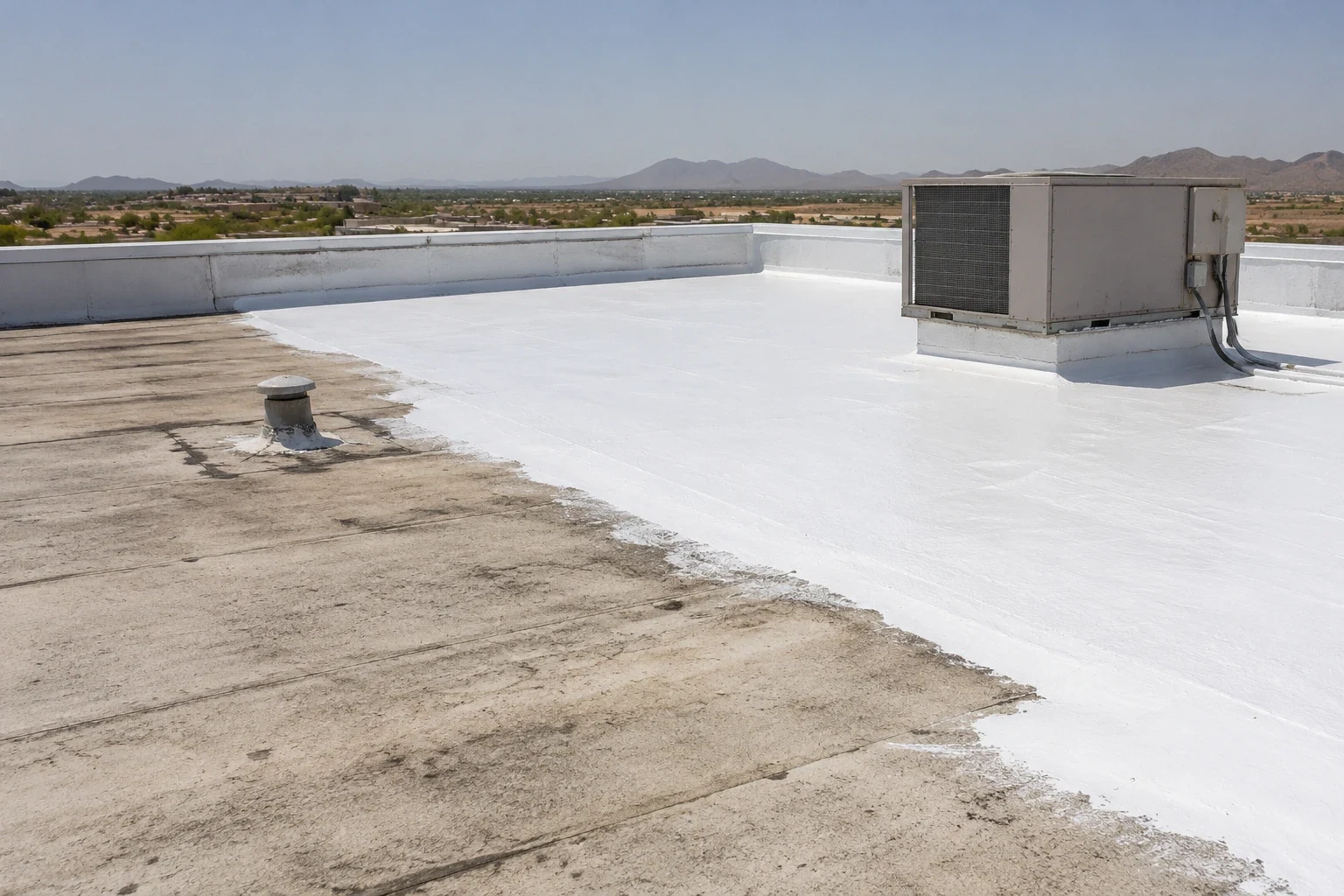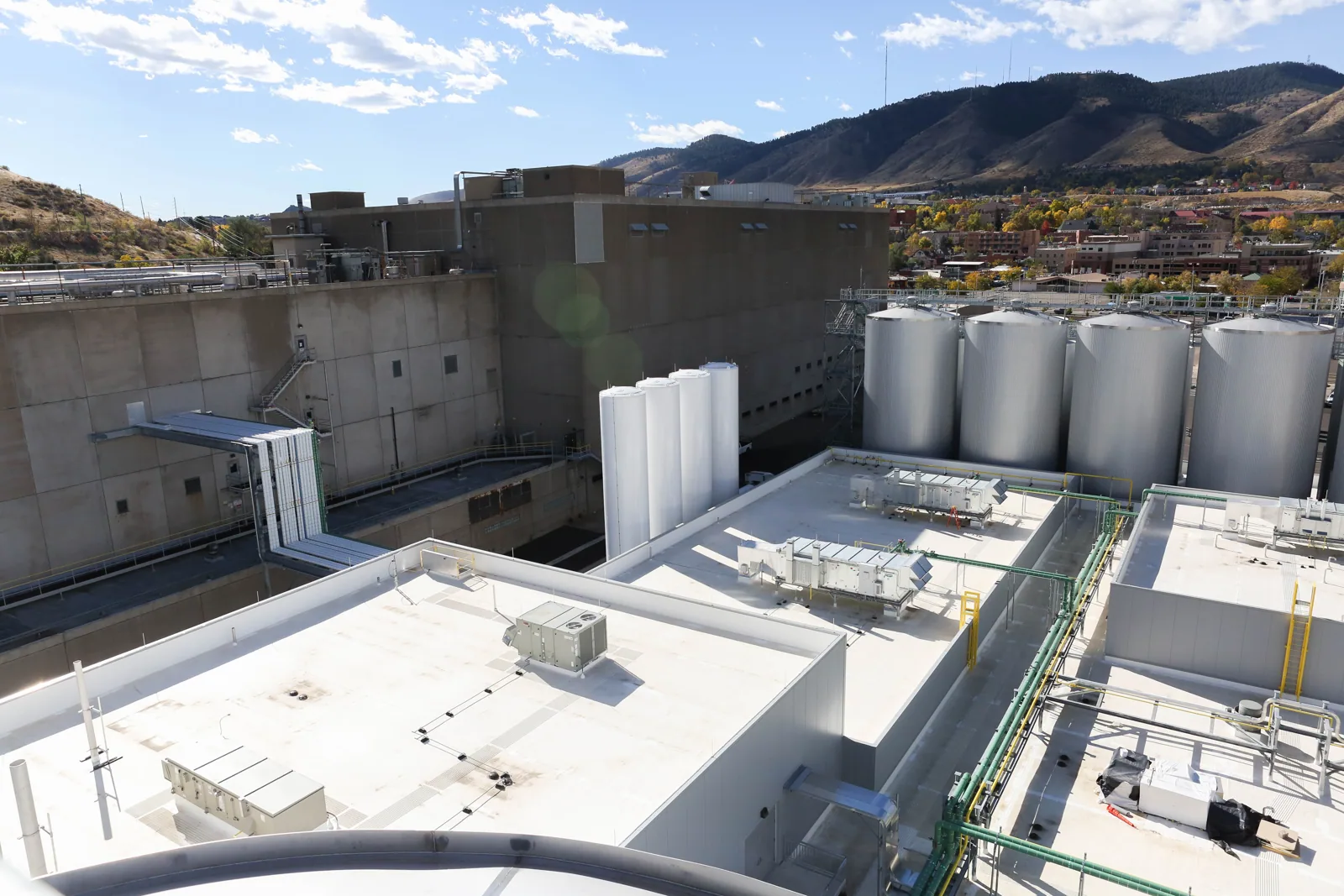
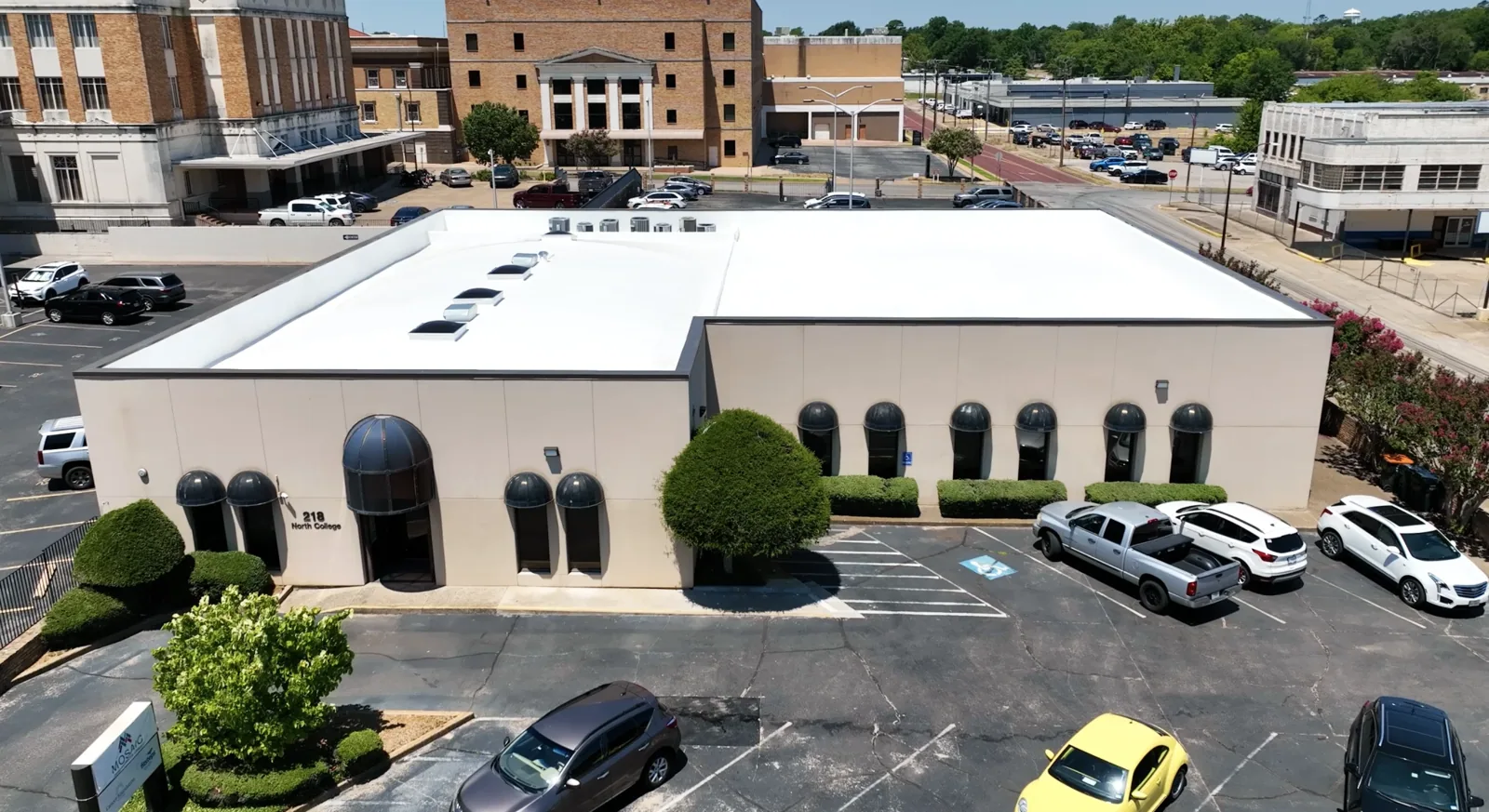
Heat at the roof surface can change how a facility uses its upper floors, equipment, and cooling schedule. The first call identifies the existing assembly, indoor areas affected, and whether the owner is considering a coating, recover, or full replacement. In Victorville, we inspect the roof field, drains, edges, and penetrations before recommending a reflective finish. A cool roof is a specified assembly, not simply a light color applied over unknown conditions.
The National Weather Service’s historical George AFB/Victorville record shows mean maximum temperatures of 97°F in July and 95°F in August during its 1980 to 1990 observation period. That history makes surface exposure relevant, but it does not measure a particular building’s energy use. We pair the climate context with roof condition and operating records. A roof coating restoration review can determine whether the existing surface is suitable for a coating path.
Assembly review: check what can stay
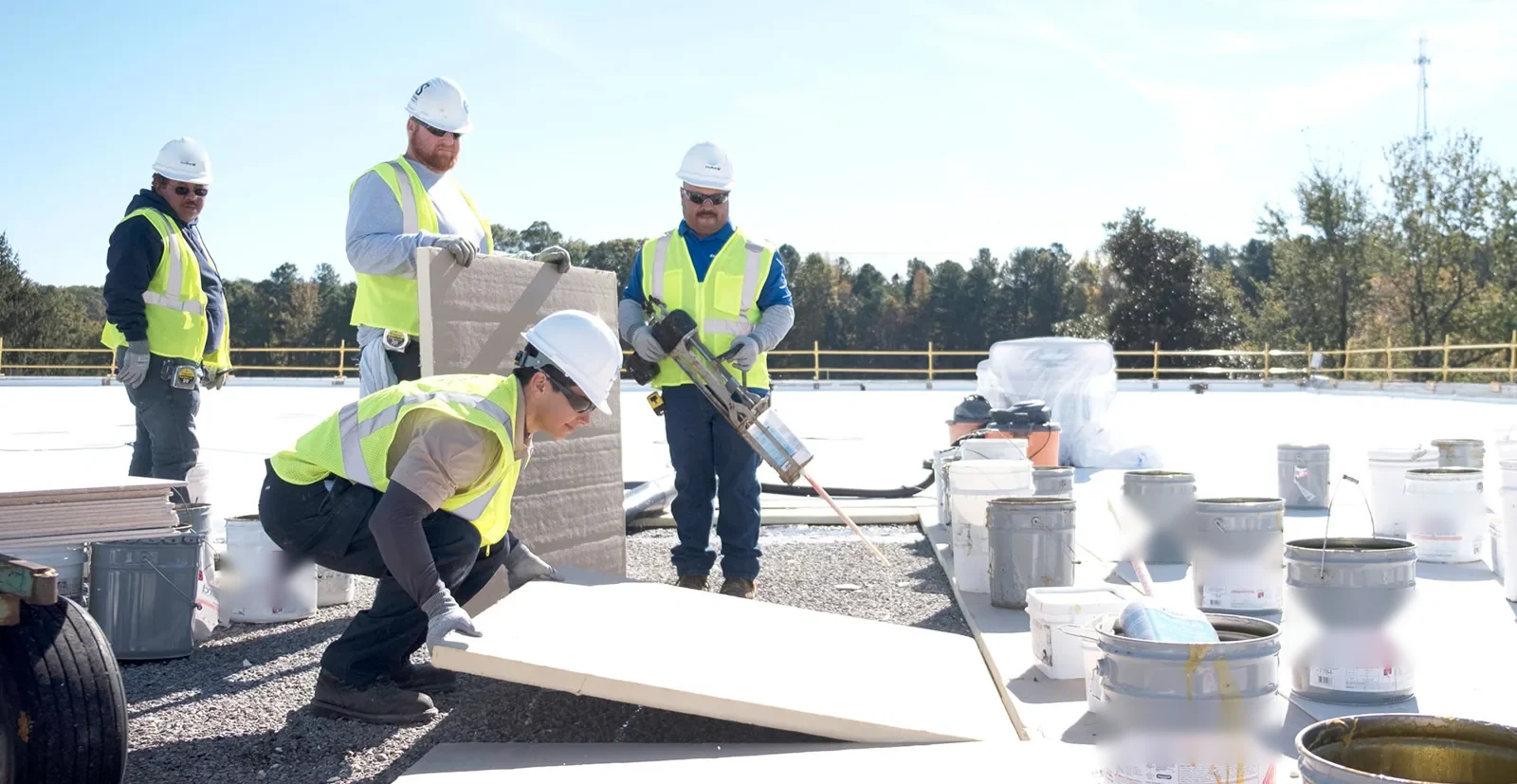
Before selecting a reflective surface, we identify the existing membrane or metal, repair history, insulation condition, and areas where water has remained. A coating may be appropriate only when the substrate is sound, dry enough for installation, and compatible with the product system. Open seams, wet insulation, corrosion, failed flashings, or loose material need repair or removal before a finish coat is considered. The written scope names the preparation and repairs rather than leaving the owner with a color choice detached from the roof condition.
Where the roof has multiple additions, transitions, or aged repairs, we separate each zone in the photo set. That helps the facility contact see whether one area can be restored while another needs replacement. If the deck or insulation is affected, a cover-board and insulation evaluation can clarify the assembly boundary. We also review attachment, edge metal, curb height, drain bowls, and penetrations so a change in membrane thickness or coating build-up does not bury a critical transition.
Heat exposure: set a measurable question
Victorville’s historical station record includes an average of 23 days per year at or above 100°F over the same observation period. That figure belongs to the weather station, not a roof, and it does not establish a savings estimate. A facility comparing roof options should use its own utility history, operating hours, insulation condition, and cooling equipment data. We can document the existing surface and explain which roof work changes reflectance, assembly layers, or air and water control.
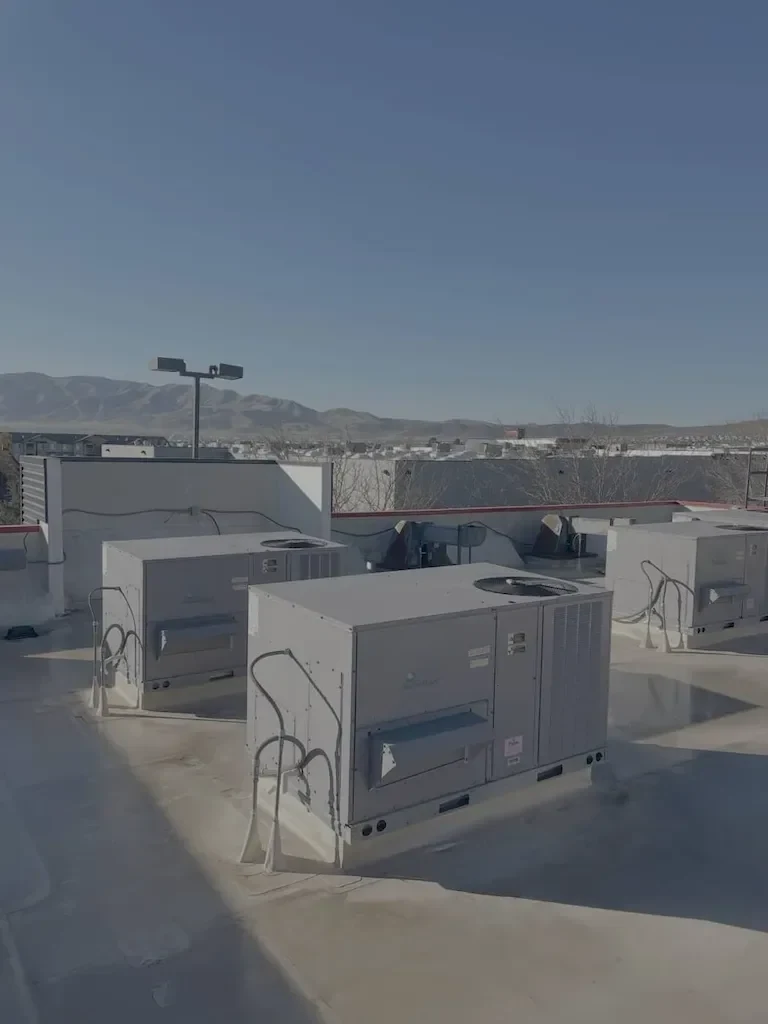
A reflective surface can influence solar absorption, while insulation and air leakage affect the building envelope in different ways. Those pieces should not be combined into an energy promise. We record the selected product system, substrate preparation, application conditions, and dry-film requirements set by the manufacturer. For a roof with rooftop units, equipment locations and service clearances matter after the finish is installed. The curb and equipment-support review helps coordinate those details before coating or membrane work closes around a base.
Drainage and details: protect the water route
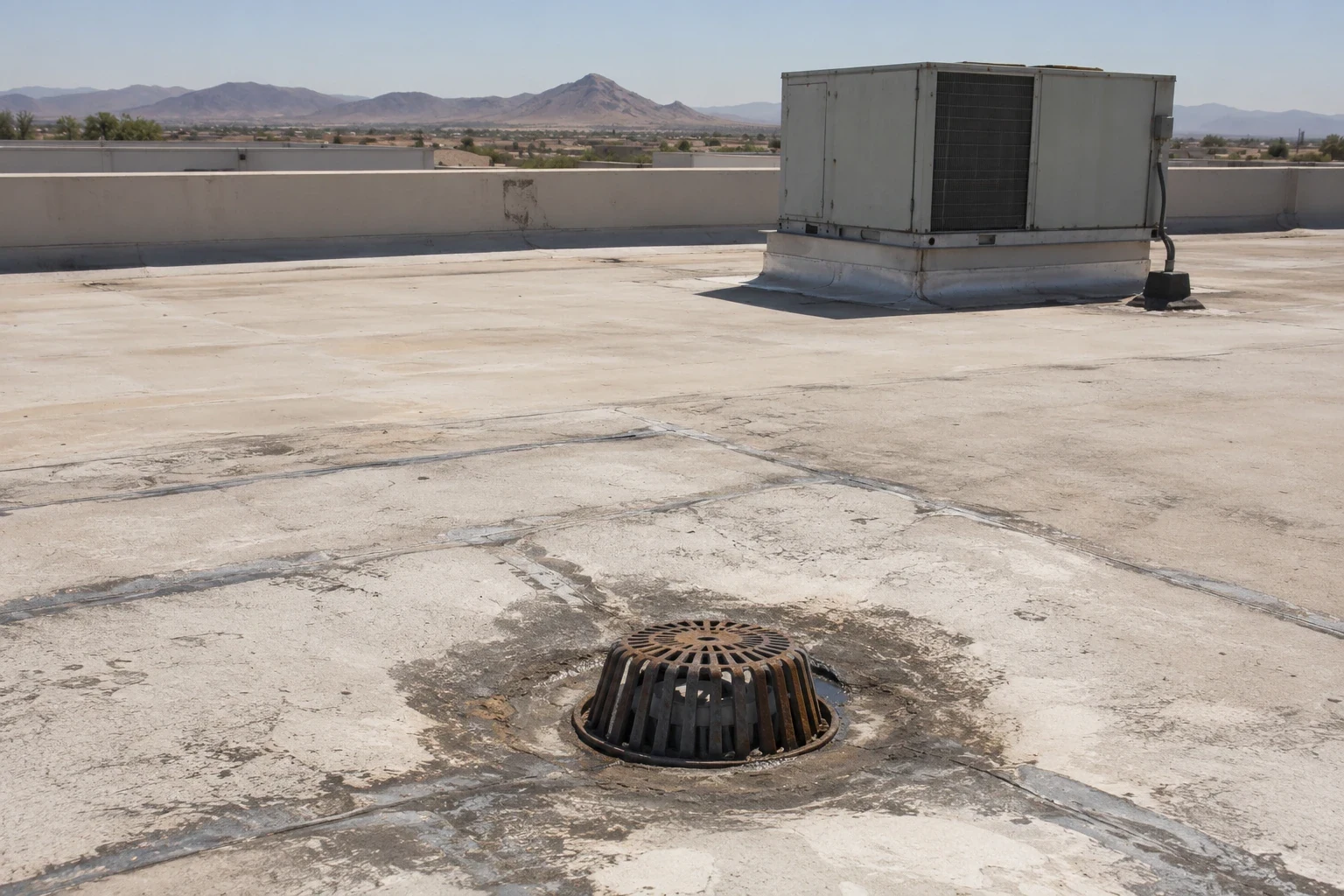
A coating does not correct a low area or blocked outlet. We map drain routes, scuppers, overflows, roof edges, and areas where the surface holds water, then decide whether the proposed assembly can preserve drainage access. Victorville’s building-code page lists 2.5 inches per hour as its roof-drain sizing rainfall rate. That is a local design reference, not confirmation that an existing drain or roof plane performs at that rate. A drain and scupper inspection can separate an outlet issue from a surface or slope condition.
At the Eastern Bear Valley Road corridor, buildings remain subject to their own roof geometry and maintenance history. Old Town Victorville’s plan places retail and service uses alongside light-industrial, residential, and open-space classifications. Those land-use descriptions do not tell us the roof type at any property, so we confirm the actual assembly. We detail transitions at curbs, pipe supports, parapets, skylights, and roof-to-wall conditions with the same care as the field area. A coating that bridges a gap without repairing the flashing leaves the water path unresolved.
Installation window: control preparation and cure
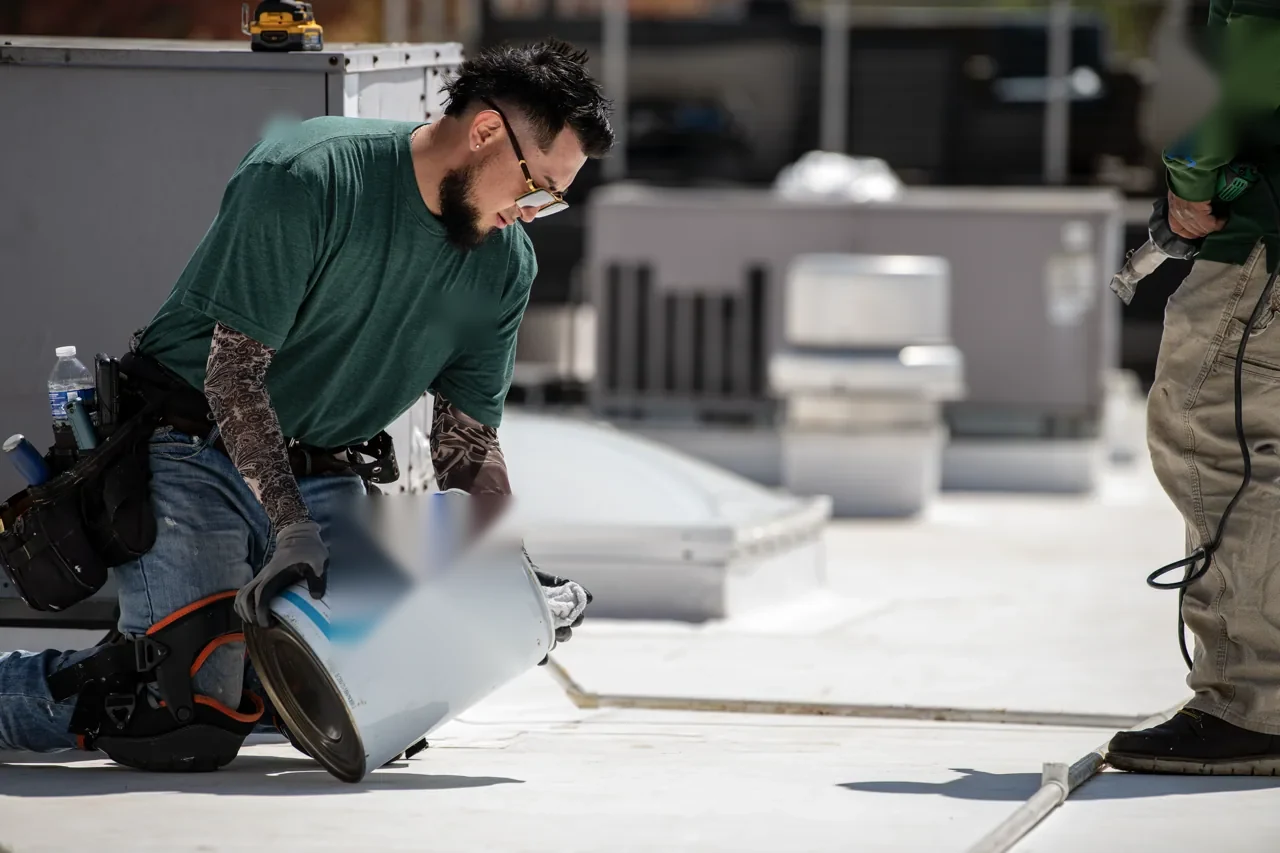
Reflective products need a clean, prepared substrate and application conditions within the product requirements. The schedule accounts for washing, drying, repairs, primer where specified, coating passes, inspection, and cure time before traffic returns. A forecast and roof temperature can affect the working window. We identify the zones that can be isolated, where equipment access must remain open, and whether the building needs a temporary route to service units during the work.
For a retail or service operation, access can matter as much as the field production. Bear Valley Road and I-15 have commercial and regional-serving uses in the city’s plan, while Seventh Street is identified in Old Town revitalization work. Those public planning details are not a construction schedule; the property representative supplies current operating limits. We can phase the work by roof zone, keep drains and emergency paths accessible, and document each completed area before moving the crew. An occupied-building work plan can coordinate notices, interior protection, and trade access.
Scope and approval: compare like assemblies
Proposals should state the substrate repairs, cleaning, primer, reinforcement, number of coats, target thickness, flashing details, and protection of equipment and adjacent surfaces. They should also name exclusions, such as wet insulation replacement, structural correction, mechanical work, or access equipment. A lower initial scope may omit preparation that is required for adhesion or water control. We identify the condition that supports each option so the property team can compare a coating restoration with a recover or replacement using the same roof-zone evidence.
The cost and timing depend on roof access, the amount of preparation, repairs, product requirements, weather windows, and how many areas can be isolated. The city’s industrial and logistics context includes planned development near U.S. 395 and Mojave Drive, but planned square footage is not completed inventory or a forecast for a customer’s building. For a capital decision, a roof capital planning review can place the coating option alongside other roof needs. Our silicone roof coating work is evaluated by substrate and drainage, not by a promise that one chemistry fits every roof.
Closeout: retain the surface record
At completion, the facility contact receives roof-zone photographs, repairs performed, materials recorded, application notes, and any limitation that remains. We document areas excluded from the approved work, including surfaces that were wet, inaccessible, or unsuitable for the coating system. If a new leak appears, a dated photo set provides a starting point for a focused inspection.
Surface reflectance alone does not tell the owner whether the whole assembly is working. A roof with repeated ponding, moving seams, or wet insulation may need a different path before a reflective finish is useful. We review the observed roof zones and explain what can be completed within the selected scope. A roof condition report keeps the alternatives and approvals traceable. Call with the building’s roof system, operating schedule, and the contact who can coordinate access.
Commercial Roofing Questions
Can a reflective coating go over our existing roof?
We inspect the substrate, seams, flashings, drainage, and moisture conditions first. A coating is considered only when the existing surface and preparation meet the selected system requirements; otherwise repairs, recover, or replacement may be the safer scope.
Will a cool roof lower our utility bill by a set amount?
We do not assign a savings figure from roof color alone. The result depends on the building, insulation, cooling equipment, hours, and utility history, so any energy comparison needs facility-specific data and appropriate analysis.
How does Victorville heat affect the installation?
The historical weather record is useful climate context, while the product instructions and actual roof conditions govern the work window. We check surface readiness, forecast, cure requirements, and access before scheduling each zone.
Does a reflective roof fix ponding water?
A finish does not correct roof slope or a blocked drain. We map the water route and address drainage or low areas in a separate scope before selecting a coating assembly that can be installed over the prepared surface.
What should the property team compare in proposals?
Compare preparation, repairs, system layers, flashing treatment, target application thickness, exclusions, access needs, and closeout records. A scope that identifies each roof zone is easier to review than a price tied only to a coating name.